


AI's Creative Leap
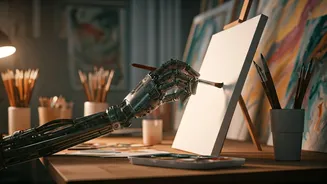
Artificial intelligence has advanced significantly, making its presence known in numerous domains, including the creative world. AI algorithms can now generate
diverse forms of art, from text and music to visual pieces, showcasing a remarkable ability to mimic human creativity. These AI tools can produce art based on textual prompts or by analyzing existing artwork, learning patterns, and then crafting new works in a similar style. However, despite these technological advancements, questions remain regarding the authenticity and emotional depth of AI-generated art. While AI can imitate styles and create works that are aesthetically pleasing, it's still being determined whether it can genuinely replicate the depth of human emotions, which are often the cornerstone of great art. The potential for AI to change how art is made, experienced, and valued is undeniable, with artists and critics alike grappling with the implications of this technological revolution. The ability of AI to analyze vast datasets and produce results rapidly also challenges traditional notions of artistic creation, raising discussions about authorship, originality, and the very definition of art.
Emotions: The Human Element
Human emotions are complex, nuanced, and shaped by personal experiences, memories, and the unique fabric of our lives. These feelings drive artistic expression, giving art its power to connect with viewers on a profound level. Emotions like joy, sorrow, love, and anger infuse art with meaning, allowing it to reflect the human condition. While AI can analyze and categorize data related to emotions, it lacks the embodied experience that allows humans to truly understand and convey feelings. The subjective nature of human emotion presents a significant hurdle for AI. Artificial intelligence does not have the capacity for empathy, personal relationships, or lived experiences, which are central to creating emotionally rich art. Even with advanced algorithms, AI struggles to duplicate the subtle emotional cues that humans naturally embed in their creative output, like the nuances of a painter's brushstroke or the inflection of a singer's voice. This inherent difference raises questions about whether AI-generated art can truly move an audience in the same way human-created art can.
AI’s Limitations Today
Currently, AI has several limitations in producing art with genuine emotional depth. A primary constraint is the absence of lived experiences that shape human creativity. AI can analyze data but cannot replicate the sensory experiences, emotional attachments, and personal histories that influence human artistic choices. The creation of art frequently involves risk-taking, experimentation, and failure, processes that lead to the refinement of human skills. AI, reliant on predefined parameters, struggles to adapt and evolve in the same way. Moreover, the capacity of AI to understand and interpret context remains limited. Human artists can intuitively embed meaning within their work, drawing upon cultural, historical, and personal references that an AI would likely miss. This gap in comprehension restricts AI's capacity to create work that resonates on an emotional level. While AI can produce aesthetically interesting art, it often lacks the soul and profound emotional connection that characterizes the best human-made artworks. These limitations highlight the current divide between AI's technological abilities and its capacity for authentic emotional expression.
Impacts on Human Artists
The growing presence of AI in the arts presents both challenges and opportunities for human artists. One potential impact is the changing landscape of artistic creation and how art is perceived and valued. AI could become a tool for artists, assisting in various stages of the creative process, from generating ideas to producing finished works. This could lead to collaboration between humans and machines, changing the dynamics of artistic expression. However, this also raises concerns about job security and the potential for AI to devalue human skills. The role of the artist may change, with a greater emphasis on curation, concept development, and emotional direction, leaving the technical execution to AI. As AI art becomes more prevalent, it could also influence the criteria by which art is judged and the values it represents. It could promote the emphasis on conceptual work, creativity, and the originality of ideas, in contrast to technical proficiency. The relationship between human artists and AI tools is rapidly evolving, demanding that both artists and the broader public consider these changes and their long-term consequences.
Future of Creative Expression
The future of creative expression, in the face of AI’s growing capabilities, is likely to be multifaceted and dynamic. While AI may not fully replicate human emotions, it will undoubtedly influence how art is created, experienced, and understood. This could lead to new forms of artistic expression that blend human creativity with AI-driven innovation. It's plausible that AI could become a tool for artists to explore new techniques, styles, and artistic mediums, pushing creative boundaries. Furthermore, AI could democratize art by making it more accessible to a wider audience, regardless of their technical abilities. However, the future also presents challenges. The value of human-created art could be redefined, demanding artists to emphasize the uniquely human aspects of their work. There could also be a greater emphasis on ethical concerns, especially regarding copyright, authorship, and the potential for AI to create biased or harmful content. The intersection of artificial intelligence and creative expression will be a significant area of exploration, requiring artists, technologists, and the public to navigate its complexities thoughtfully and creatively.