







Understanding Hormones and Health
Hormones are crucial messengers that direct many bodily functions, significantly influencing women's health, particularly during menstruation, pregnancy,
and menopause. Imbalances can cause various issues like irregular periods, mood swings, and sleep disturbances. A well-rounded approach, including a healthy diet, exercise, and stress management, is vital for hormonal equilibrium. However, supplements can play a beneficial role in supporting these efforts. Consulting a healthcare professional is crucial to determine the most suitable supplements and dosages based on individual health needs. The use of these supplements should always be under medical supervision to avoid any adverse effects. Hormone balance is not a destination but a continuous journey toward wellness.
Vitamin D's Role
Vitamin D is essential for bone health, but it also significantly influences hormonal balance. Studies have shown a link between vitamin D deficiency and various hormonal issues, including polycystic ovary syndrome (PCOS) and irregular menstrual cycles. Vitamin D supports hormone production and regulates the immune system, which impacts inflammation. Sunlight exposure is a natural way to obtain vitamin D, but supplementation is often necessary, especially in areas with limited sunlight or for individuals with deficiencies. It is important to remember that Vitamin D is a fat-soluble vitamin. Supplementation can vary depending on individual needs and health conditions. Consulting a healthcare provider for proper assessment is vital to avoid over-supplementation.
The Power of Magnesium
Magnesium is involved in over 300 enzymatic reactions in the body and plays a critical role in hormonal regulation. It helps manage stress, regulate blood sugar, and supports sleep quality – all aspects that significantly affect hormone balance. Magnesium can reduce cortisol levels, the stress hormone, and improve insulin sensitivity. Deficiency in magnesium is widespread, often caused by factors like poor diet and high stress. Supplementing with magnesium can improve symptoms of PMS, such as mood swings and bloating, and it may also aid in sleep. Magnesium supplements come in various forms, each with varying absorption rates. It's recommended to consult a healthcare professional to identify the optimal type and dosage based on your individual needs.
Omega-3 Fatty Acids
Omega-3 fatty acids, commonly found in fish oil, are renowned for their anti-inflammatory properties, benefiting hormonal health. They support the production of hormones and help regulate inflammation, which can affect the menstrual cycle and fertility. Omega-3s can alleviate symptoms of PMS, such as mood swings and cramping, and may boost overall health. These essential fats are not naturally produced by the body, so they must be acquired from dietary sources or supplements. Adding omega-3 supplements to your diet can significantly improve your hormonal well-being and overall health. For vegetarians and vegans, there are algae-based omega-3 supplements available. Proper dosage is crucial; always check with a healthcare provider to ensure safe and effective use.
Probiotics for Gut Health
The gut microbiome significantly impacts hormone balance, with probiotics playing a vital role in this connection. The gut influences estrogen metabolism, and an imbalance can result in irregular periods. Probiotics boost the number of healthy gut bacteria, enhancing the absorption of nutrients and reducing inflammation. They can also improve mood and alleviate bloating, common PMS symptoms. Incorporating probiotic-rich foods such as yogurt and fermented vegetables, or taking a supplement, promotes a healthy gut environment. Selecting a high-quality probiotic supplement with diverse strains is beneficial. Consistent use of probiotics can enhance gut health, thereby supporting optimal hormone balance and overall well-being. A balanced gut supports better hormone function.
Myo-Inositol Benefits
Myo-inositol is a type of inositol that has gained attention for its benefits in hormonal health, particularly for women with PCOS. It helps improve insulin sensitivity, regulate menstrual cycles, and promote ovulation. It can also reduce the levels of androgens, which can cause symptoms like acne and excessive hair growth. Myo-inositol is often used in combination with other supplements, such as folic acid, to improve results. It is important to know that myo-inositol is generally safe. However, consulting with a healthcare professional to determine the correct dosage is important. The use of myo-inositol might dramatically improve symptoms of PCOS and enhance overall hormonal balance.
Adaptogens for Balance
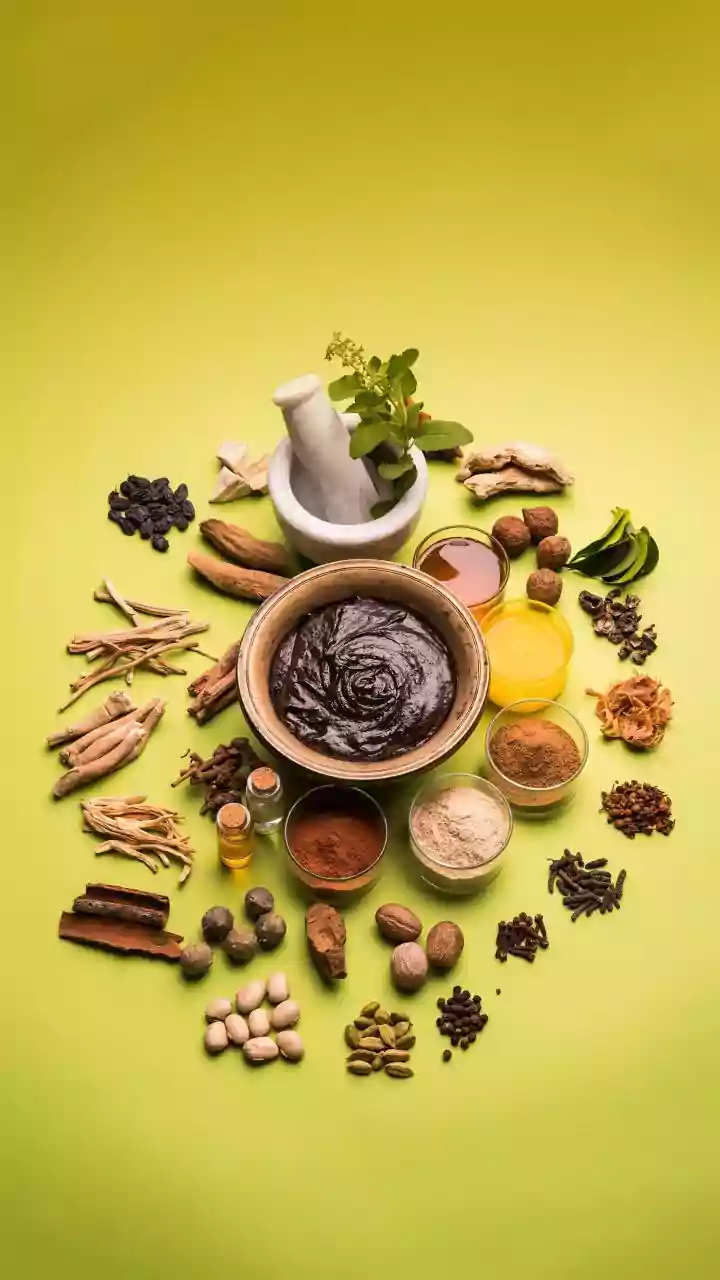
Adaptogens are natural substances that help the body adapt to stress and support adrenal function, which can improve hormonal balance. Examples include ashwagandha and maca root. These herbs can help modulate cortisol levels and support mood, energy, and overall well-being. Adaptogens support the endocrine system, promoting hormonal equilibrium and improving the body's reaction to stress. Ashwagandha, for example, helps decrease anxiety and stress, while maca root supports hormonal balance and energy. Because adaptogens can have an impact on hormones, it is vital to consult with a healthcare professional before including them in your supplement regimen. Combining lifestyle changes with the right adaptogens may significantly contribute to your hormonal well-being.