






Early Responsibilities Bloom
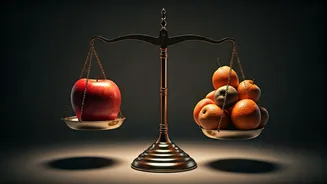
In numerous family structures, particularly those steeped in tradition, the eldest daughter frequently shoulders responsibilities that extend far beyond
simply being the firstborn. She often acts as the unseen architect of household harmony, a quiet mediator in disputes, and in many instances, takes on a quasi-parental role. While this role is often perceived as one of immense strength and resilience, contemporary discussions around mental well-being are increasingly shedding light on its deeper emotional and spiritual dimensions. From a young age, these daughters are often thrust into situations requiring maturity, a trait they're expected to embody rather than develop organically. Psychologists suggest this early conditioning can instill a lifelong tendency to prioritize others' needs above their own, shaping their fundamental approach to relationships and self-care throughout their lives.
Generational Echoes Resonate
The concept often referred to as 'ancestor healing' reveals a complexity that transcends mere practical duties. Within this framework, the eldest daughter serves as a crucial emotional bridge connecting different generations. She frequently becomes the keeper of unresolved family conflicts and unspoken grief. While some view this as a highly spiritual role, it shares striking parallels with psychological understandings of intergenerational trauma and the transmission of behavioral patterns. This profound connection means she often carries the emotional weight of past generations, influencing her present and future experiences in ways that are both deeply personal and universally recognized within family systems.
Personal Dreams Delayed
A recurring theme among eldest daughters is the tendency to postpone their own aspirations and personal development. The drive to maintain family stability often leads them to put their career ambitions, romantic relationships, and individual desires on the back burner. While these sacrifices are frequently motivated by love and a sense of obligation, experts note that consistently deferring personal growth can lead to internal conflict and a sense of unfulfillment. This pattern of self-neglect, born from a deep-seated sense of responsibility, can create a subtle but persistent internal struggle as they navigate their own desires against the backdrop of familial expectations and duties.
Duality of Strength
The eldest daughter is often perceived as embodying a duality of strength and vulnerability. Culturally, figures like the goddess Durga in Indian traditions represent both fierce protective power and nurturing compassion, mirroring the complex identities these women often navigate. They may project an image of outward resilience, yet internally grapple with significant emotional burdens and unspoken sensitivities. This external fortitude, while enabling them to lead and manage crises, often masks an inner landscape rich with feeling. Their capacity for leadership isn't always about dominance; it's more about an unspoken willingness to shoulder immense responsibility and make profound sacrifices without overtly seeking recognition or validation.
The Weight of Solitude
The experience of emotional isolation is a silent companion for many eldest daughters, a facet that warrants greater open discussion. Because they are typically perceived as pillars of strength, they often delay seeking support for themselves. This can lead to feelings of profound loneliness, even while they are actively providing care and stability for others. The assumption of their inherent resilience means their own needs for emotional nurturing and validation can go unmet for extended periods, creating a paradoxical situation where the caregiver becomes the one feeling unseen and unsupported, despite being the source of strength for the entire family unit.
Cycles of Healing Emerge
Despite the challenges, the journey of the eldest daughter is also one of profound healing and transformation. Many are instrumental in bringing an end to long-standing familial discord, such as disputes over finances, patterns of emotional suppression, or ongoing family feuds. Their influence extends beyond mere support; they actively contribute to fostering a healthier family dynamic. As societal awareness regarding mental health and intricate family systems grows, there's an increasing call to re-evaluate the traditional perception of these women. Understanding the emotional labor they perform, providing them with space for their own self-expression, and normalizing their need to ask for help are crucial steps towards redefining their roles and alleviating their burdens.