






Ancient Roots of Celebration
Poila Boishakh, also known as Noboborsho, marks the Bengali New Year and is celebrated with immense joy and spiritual reflection. This year, it falls on April
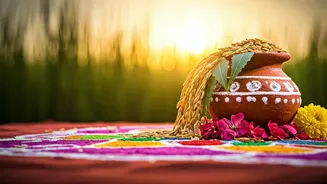
15, 2026, ushering in the Bengali year 1433. Seeking blessings from the divine and elders on this day is a cherished custom believed to usher in a period of abundance. The origins of this festival trace back to the Mughal era, with accounts suggesting Emperor Akbar initiated it to align with the tax year. Royal astronomer Fathullah Shirazi is credited with creating a new calendar by merging lunar and solar systems, primarily to facilitate harvest tax management. Alternatively, historical texts and folklorist Shamsuzzaman Khan suggest Nawab Murshid Quli Khan, a Mughal governor, formalized Poila Boishakh as a day for celebrating land tax collection. Over time, it has evolved into a cherished occasion signifying a fresh start and a year filled with happiness and good fortune, making home cleanliness a vital preparatory ritual.
Welcoming Divine Blessings
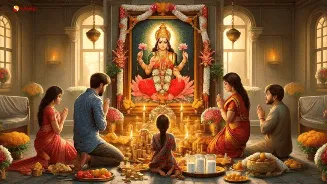
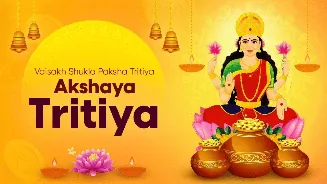
A cornerstone of Poila Boishakh traditions involves inviting Goddess Lakshmi, the deity of wealth and prosperity, into one's home. It is deeply ingrained in belief that Goddess Lakshmi favors and resides only in spaces that are immaculate and pure. Conversely, a dwelling that is untidy and cluttered is thought to attract unwelcome negative energies and act as a drain on one's financial well-being. By meticulously cleaning the house prior to Poila Boishakh, individuals actively prepare a welcoming sanctuary for Goddess Lakshmi. This act signifies an earnest request for her divine presence and her blessings for a life brimming with prosperity and good fortune throughout the coming year.
Clearing Energetic Residue
Beyond superficial tidiness, cleaning the home before Poila Boishakh serves a crucial purpose in purifying the dwelling's intrinsic energy, often referred to as 'prana.' Over time, homes can absorb residual feelings from various life events, including arguments and stress, which can negatively impact the overall atmosphere. According to Vastu Shastra principles, maintaining an organized and clean environment is key to dispelling negative energies that tend to linger in disorganized spaces. Commencing the Bengali New Year with a thoroughly cleansed home ensures it is free from such lingering negative vibrations. This process allows for better circulation of air and light, fostering an environment that promotes health and happiness for all its inhabitants.
Embracing New Ventures
Poila Boishakh is intrinsically linked with new beginnings and fresh starts. For the business community, this period signifies the commencement of new accounting cycles, a practice known as 'Halkhata,' symbolizing the opening of a new chapter in their professional lives. The act of decluttering and removing obsolete items from one's home before this auspicious day sends a powerful message to the universe, signaling readiness for novel opportunities and experiences. By tidying up and making space, individuals are symbolically creating room for positive advancements and new ventures to enter their lives, setting a conducive tone for personal and professional growth throughout the year ahead.
The Sun's Auspicious Light
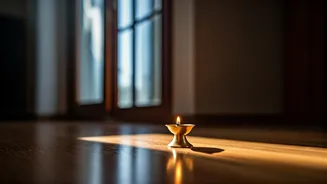
The sun plays a vital and purifying role during the Poila Boishakh celebrations, with its rays considered especially potent for cleansing spaces. By meticulously cleaning windows and doors, families ensure that this beneficial sunlight can permeate their homes, invigorating the environment. Many also enhance this auspiciousness by adorning their residences with artistic decorations and hanging fresh mango leaves at the entranceways, traditional symbols believed to ward off negativity. This practice of purifying the home and inviting the sun's energy is not merely decorative; it actively creates a sacred space, attracting only positive influences and setting a harmonious and healthy tone for the entire year.