







Understanding Karmic Cleansing
The observance of Apara Ekadashi is deeply rooted in the Hindu concept of karma, which emphasizes the connection between one's intentions and subsequent
actions. This sacred day is believed to offer a powerful means to purify accumulated negative karma through a combination of disciplined self-control, sincere prayer, and performing charitable deeds. By engaging in these practices, devotees aim to detach from worldly distractions and foster a greater sense of self-awareness. The spiritual discipline cultivated during this vrat helps in reducing karmic burdens and promoting a more balanced and peaceful existence. This practice encourages a mindful pause from daily routines, fostering introspection and a reconnection with inner calm and spiritual clarity. The essence lies in fostering positive energy and reducing the impact of past misdeeds.
The Legend of Apara Ekadashi
A compelling narrative associated with Apara Ekadashi features King Mahidhwaj and his younger brother Vajradhwaj. Following a life marked by detrimental actions, the younger brother faced prolonged suffering even after his demise. A wise sage advised King Mahidhwaj that observing the Apara Ekadashi vrat and dedicating its spiritual merits to his departed sibling could offer solace. Upon the king's sincere observance and completion of the vrat, the suffering soul was reportedly liberated. This ancient tale underscores a fundamental tenet of Hindu tradition: that dedicated prayer, positive actions, and sincere spiritual effort possess the power to mitigate karmic debt and usher in peace and liberation. It serves as a timeless reminder of the profound impact of devotion and righteous practices.
Observing the Vrat At Home
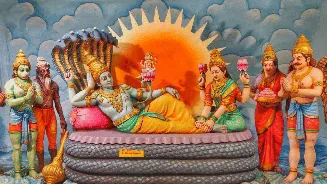
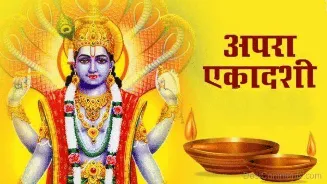
Observing Apara Ekadashi at home does not necessitate grand rituals; rather, simplicity and genuine sincerity are paramount. The day typically begins with waking early, performing a purifying bath, and meticulously cleaning the prayer area. Devotees then offer fresh flowers and Tulsi leaves to Lord Vishnu, acknowledging his divine presence. Various forms of fasting are observed, tailored to individual health and lifestyle, ranging from a complete waterless fast (Nirjala) to a diet of fruits and milk, or consuming sattvic meals devoid of grains. The central focus remains on developing self-control, not on self-punishment. During the day, chanting the powerful mantra “Om Namo Bhagavate Vasudevaya” is common, alongside reciting the Vishnu Sahasranama or listening to devotional bhajans. Acts of charity, such as donating food or helping those in need, are considered highly auspicious and beneficial on this sacred occasion.
Flexibility in Observance
Recognizing that strict fasting might not be feasible for everyone due to work commitments, health conditions, or personal circumstances, Apara Ekadashi allows for flexibility. Individuals unable to undertake rigorous fasting can still participate spiritually by consciously avoiding negative behaviours, opting for simple sattvic meals, and dedicating time to chanting Vishnu mantras. Practicing kindness and extending charity are also vital components that can be observed. Many spiritual traditions emphasize that sincere devotion and pure intention often carry more spiritual weight than rigid adherence to ritualistic perfection. Therefore, a modified observance focused on inner purification and positive actions is highly valued and effective in reaping the benefits of this significant vrat.
Practices to Avoid
To uphold the spiritual discipline and sanctity of Apara Ekadashi, devotees generally abstain from certain activities. These typically include engaging in anger, participating in unnecessary arguments, and consuming non-vegetarian food. The consumption of alcohol and tamasic foods, which are considered to promote negativity and lethargy, is also strictly avoided. Furthermore, refraining from negative speech and harmful actions is crucial for maintaining the purity of thoughts and conduct throughout the day. The overarching aim of the vrat is to cultivate a state of calmness and positivity in both one's thoughts and actions, thereby enhancing the spiritual benefits derived from the observance.
Benefits of the Vrat
Observing the Apara Ekadashi vrat is believed to confer numerous spiritual and emotional advantages upon its devotees. Key among these is the potential for relief from the repercussions of negative karma accumulated through past actions. Many individuals seek this vrat to attain enhanced mental clarity, experience greater emotional peace and balance, and foster overall spiritual growth. It is also thought to usher in positive energy and a sense of stability in life. Beyond these spiritual gains, devotees often report a reduction in stress levels and find that the vrat helps mitigate recurring obstacles and challenges in their life journey, leading to a more harmonious and fulfilling existence.