






Clashing Energies at Play
The primary reason to reconsider a bedroom temple isn't about tradition or superstition, but rather about the fundamental purposes of these distinct spaces.
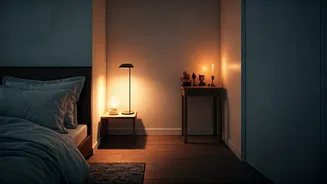
A bedroom is designed as a haven for relaxation, a place to disengage from the demands of the day and drift into peaceful sleep. It's a deeply personal area where one sheds the day's attire and unwinds. Conversely, a prayer space, even a modest one, is intended to foster a different state of mind. It calls for alertness, concentration, and a certain degree of contemplative discipline. When these two contrasting functions are housed within the same room, their energies inevitably begin to compete, subtly undermining the intended atmosphere of each. This cohabitation can lead to a dilution of the sacredness of the prayer area and a disruption of the tranquility needed for restful sleep, creating a subtle but persistent conflict.
Diluting Daily Life's Reverence
In the practical reality of daily living, the bedroom often transforms into an environment of utmost informality. It's where we engage in activities like sleeping, dressing, casual conversations, and extended periods of scrolling on our phones, none of which are inherently wrong but characterize its function. However, a dedicated prayer space carries a fundamentally different expectation; it symbolizes devotion, mindfulness, and a profound sense of respect. When a divine image or idol is situated in the same room where everyday life unfolds with such casualness, the distinctness and elevated nature of the sacred space can become diminished. This proximity can lead to a gradual erosion of the reverence typically associated with a prayer area, as its sacredness is constantly juxtaposed with mundane activities.
Psychological & Vastu Insights
Beyond the functional clash, there's a significant psychological dimension to consider. Sacred spaces often possess a stronger spiritual resonance when they are perceived as separate and distinct. Even a humble shelf in a living room or a designated corner in a hallway can cultivate a more focused spiritual atmosphere than a shrine positioned directly beside a bed. The size of the sacred area is less important than the feeling evoked when one approaches it. Furthermore, Vastu principles align with this concept, typically recommending prayer areas in the North-East or East directions, zones believed to promote clarity and openness. Bedrooms, by contrast, are associated with stability and restorative rest. Introducing a temple into this environment causes these energies to overlap, potentially preventing either space from functioning optimally according to its intended purpose. While a small, respectfully displayed framed image above eye level might be a compromise for those with no alternative, a full temple structure with regular worship is best avoided in a bedroom.