




The Cosmic Dance
Maha Shivaratri, known as the 'Great Night of Shiva', is a deeply significant Hindu festival that commemorates the divine marriage of Lord Shiva and Goddess
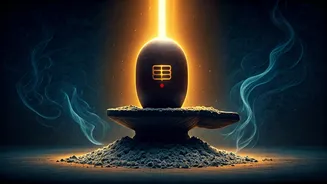
Parvati, or alternatively, the night when Shiva performs his cosmic Tandava dance. This celestial performance symbolizes the eternal cycle of creation, preservation, and destruction, a powerful reminder of the universe's perpetual motion. During this auspicious night, devotees immerse themselves in intense spiritual practices, aiming for inner awakening and a closer connection to the divine. The festival transcends mere ritual, fostering a sense of discipline and profound reverence for Mahadev's cosmic influence and his role in maintaining universal balance. It's a time when the veil between the material and spiritual realms thins, allowing for a heightened experience of Shiva's omnipresence and transformative energy.
Devotional Practices
The observance of Maha Shivaratri involves a spectrum of devotional practices tailored to individual capacity and spiritual inclination. Many devotees undertake rigorous fasting, choosing between a 'nirjala' fast, abstaining from both food and water, or a 'phalahar' fast, which permits fruits, milk, and light, sattvic foods. This act of self-discipline is seen as a purification of the body and mind, enhancing spiritual focus. Temples dedicated to Lord Shiva become vibrant centers of worship, remaining open throughout the night for special pujas, elaborate abhisheks (ritual bathing of the idol), and aartis (devotional ceremonies with lamps). These ceremonies are often conducted in different 'praharas' or segments of the night, ensuring continuous engagement with the divine. The atmosphere is charged with the chanting of bhajans and mantras, creating an environment of collective spiritual elevation and fervent prayer.
Symbols of Devotion
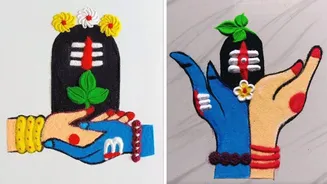
The essence of Maha Shivaratri lies not in elaborate displays but in the sincerity of devotion, often expressed through simple yet meaningful offerings. The offering of bilva leaves, known for their divine significance, is believed to deeply please Lord Shiva, illustrating that true reverence requires a humble and heartfelt intent rather than grandeur. Furthermore, the iconography of Ardhanarishvara, a composite form of Shiva and his consort Parvati, embodies the perfect union of masculine and divine feminine energies. This powerful symbol inspires followers to seek harmony, balance, and unconditional love within themselves and in their relationships. The visual symbolism of Shiva's Tandava dance, representing the cosmic forces, and the serene contemplation of his divine form collectively guide devotees towards spiritual insight and renewal.
Sacred Spaces
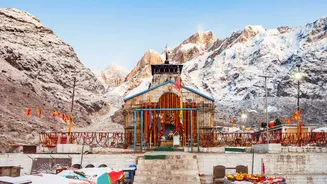
Across the vast spiritual landscape of India, from the hallowed ghats of Varanasi to intimate home altars, Maha Shivaratri unites millions in a shared experience of reverence. Shiva temples become beacons of spiritual activity, adorned with countless diyas (oil lamps) and fragrant incense, their interiors resonating with the earnest prayers of devotees seeking Mahadev's blessings for peace, prosperity, and spiritual growth. The queues of individuals patiently waiting to offer their prayers are a testament to the profound faith and collective yearning for divine grace. This widespread devotion, whether in grand public gatherings or quiet personal moments, underscores Shiva's omnipresent spirit, fostering a powerful sense of unity and joyous spiritual celebration that permeates the night.