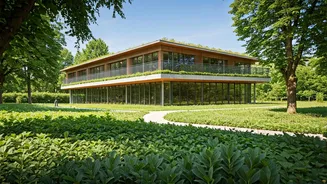







Climate Impact of Build
The construction industry has a significant environmental footprint, demanding urgent attention. Traditional building practices often involve high energy
consumption, contributing significantly to greenhouse gas emissions. The extraction and processing of raw materials like cement and steel release substantial amounts of carbon dioxide into the atmosphere. Moreover, the transportation of these materials further exacerbates the problem. The industry's reliance on fossil fuels for powering machinery and heating/cooling buildings adds to the overall environmental burden. Addressing these issues requires a fundamental shift towards sustainable practices. This shift includes adopting eco-friendly materials, reducing energy consumption during construction and building operations, and minimizing waste generation. The industry's future depends on its ability to embrace change and mitigate its climate impact. This involves integrating sustainability into every stage of the building lifecycle, from design and construction to operation and demolition.
Eco-Friendly Materials Matter
The shift towards sustainable building materials is a key strategy for reducing the environmental impact of construction. Traditional materials, such as concrete, are energy-intensive to produce and contribute significantly to carbon emissions. Innovative alternatives, like timber, bamboo, and recycled materials, are gaining traction. Timber, a renewable resource, can be sourced sustainably and has a lower carbon footprint compared to concrete. Bamboo, with its rapid growth rate, offers a strong and versatile option, suitable for various construction applications. Recycled materials, including reclaimed wood, recycled concrete, and repurposed steel, further reduce the demand for new resources and minimize waste. Beyond these, the development and utilization of bio-based materials, such as hempcrete and mycelium-based products, represent exciting advancements. These materials offer unique properties and can significantly lower the embodied carbon of buildings. Their integration into mainstream construction practices is pivotal to a greener future. Embracing these eco-friendly options reduces environmental impact, and promotes a circular economy.
Smart Building Designs
Smart building designs optimize energy efficiency and reduce environmental impact. These designs incorporate passive strategies, which minimize energy demand. This includes strategic orientation to maximize natural light and ventilation, reducing the need for artificial lighting and air conditioning. Moreover, the use of high-performance insulation, efficient windows, and airtight construction helps regulate indoor temperatures, further decreasing energy consumption. Smart technology integration is also essential. This includes the implementation of building management systems that monitor and control various aspects of a building's operation. These systems can adjust lighting, heating, and cooling based on occupancy and real-time conditions. This ensures optimal energy efficiency. Renewable energy sources like solar panels and wind turbines can be incorporated into building designs. These systems generate clean energy on-site. The combination of these smart design elements reduces environmental impact, and creates healthier and more comfortable living and working spaces.
Construction Waste Reduction
Minimizing waste in the construction sector is essential for sustainability. Construction and demolition activities generate large amounts of waste, often ending up in landfills. Effective waste management strategies, such as source reduction, reuse, and recycling, are crucial for mitigating this problem. Source reduction involves carefully planning projects to minimize material usage and avoid over-ordering. This reduces the amount of waste generated from the outset. Reuse strategies involve repurposing materials onsite. This could involve salvaging and reusing existing building components or utilizing materials in different applications. Recycling initiatives focus on processing construction waste and turning it into new products. Concrete, wood, and metal can be recycled and used in new construction projects. Implementing waste management plans, conducting waste audits, and training construction workers on waste reduction practices contribute to a more sustainable building process. The goal is to move from a linear 'take-make-dispose' model to a circular economy, where materials are kept in use for as long as possible. This approach significantly reduces environmental impact and conserves resources.
Policy and Regulations
Government policies and regulations play a critical role in driving the adoption of sustainable construction practices. These policies can create incentives for environmentally friendly designs and materials. Building codes can be updated to mandate energy-efficient standards, encourage the use of renewable energy, and promote waste reduction. Tax incentives, grants, and subsidies can encourage developers and builders to adopt sustainable practices. These financial tools help offset the costs associated with implementing eco-friendly solutions, making them more accessible. Public procurement policies can specify sustainability requirements for government projects. This drives demand for green building products and services. In addition, certifications and rating systems like LEED (Leadership in Energy and Environmental Design) and BREEAM (Building Research Establishment Environmental Assessment Method) provide frameworks for evaluating and recognizing sustainable buildings. These programs help raise awareness and encourage the adoption of best practices. Through these policies and regulations, governments can significantly advance the construction industry's transition towards a more sustainable future.
Future Construction Trends
Several emerging trends are set to revolutionize the construction industry. The rise of modular construction, where building components are prefabricated offsite, offers significant benefits. This method reduces construction time, minimizes waste, and improves quality control. 3D printing is another promising technology. It allows for the creation of complex building designs with greater efficiency and reduced material waste. Building Information Modeling (BIM) is transforming the way projects are planned and executed. BIM uses digital models to create a holistic view of a building's lifecycle. This enhances collaboration, improves decision-making, and reduces errors. The integration of artificial intelligence (AI) and the Internet of Things (IoT) is also gaining momentum. AI and IoT can optimize building operations, improve energy management, and enhance occupant comfort. The concept of the circular economy is gaining traction. It aims to design buildings that are adaptable, reusable, and built with materials that can be easily repurposed or recycled. These trends collectively indicate a shift towards a more sustainable, efficient, and technologically advanced construction industry. The industry must continue innovating to create a greener built environment.