







A New Perspective
An environmental consultant from India, Sanketh Banik, recently relocated to Sweden and has offered a compelling look at how corporate offices there diverge
significantly from the typical setups found in India. Banik's observations, shared via a social media video, highlight a workplace designed not just for productivity but also for comfort and employee happiness. He described the atmosphere as one that transcends the usual corporate rigidity, making it feel less like a traditional office and more like a welcoming space. This shift in environment is not merely cosmetic but reflects a deeper philosophy regarding employee experience and work-life integration. His insights provide a vivid comparison, focusing on the tangible elements that contribute to this distinctly different feel. The intention is to showcase a model where employee comfort and a relaxed ambiance are paramount, challenging conventional notions of what an office should be.
Open Spaces, Creative Zones
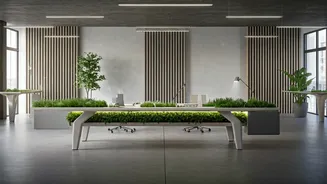
One of the most striking differences Banik noted was the complete absence of cubicles, a common feature in many Indian offices. Instead, Swedish workplaces embrace open seating arrangements, incorporating elements like bean bags and stylish, comfortable chairs that dismantle the conventional office aesthetic. This design choice actively discourages the feeling of being confined to a rigid, corporate box. Furthermore, the ingenuity extends to the use of architectural features, such as integrating seating areas on staircases, allowing employees to choose dynamic working spots. This flexibility extends to the option of working outdoors, underscoring a commitment to providing varied and adaptable work environments. The emphasis is on creating spaces that promote interaction, creativity, and a sense of freedom, moving away from the impersonal nature of traditional cubicle farms.
Perks That Pamper
Beyond the physical layout, Banik's video showcased a range of employee benefits designed to enhance daily work life. Generous access to free, unlimited candies and a daily offering of Swedish-style snacks are provided, ensuring employees have readily available refreshments. A particularly noteworthy amenity is the presence of massage chairs, offering a practical solution for employees to de-stress and rejuvenate during their workday. The inclusion of various games also suggests a focus on employee well-being and stress reduction, framing the office as a holistic environment. These thoughtful additions collectively contribute to a culture where employee comfort and mental health are visibly prioritized, transforming the typical workday experience into something far more engaging and supportive.
Work-Life Balance Embodied
The viral post caption, "Work life balance is actually a thing over here," encapsulates the core message derived from Banik's observations. The Swedish office environment, as depicted, seems to genuinely embody the principles of work-life balance, integrating employee welfare into the very fabric of the workplace design. This is evident not only in the physical amenities but also in the overall atmosphere that prioritizes comfort and reduces work-related stress. The reactions from internet users echoed this sentiment, with many expressing a desire for similar work cultures in India, highlighting that work-life balance should not be a luxury but a standard. The discussion sparked by this post underscores a global conversation about evolving workplace norms and the growing recognition of the importance of employee satisfaction in fostering a productive and positive work environment.