









Silver's Price Ascendancy
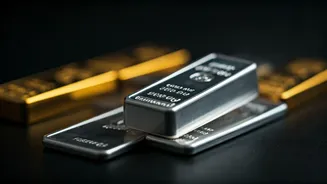
The remarkable trajectory of silver prices has captured market attention recently. The potential for the metal to reach $100 per ounce signifies a significant
shift in the precious metals market, one that prompts investors and analysts to re-evaluate their positions. Several factors are contributing to this upswing. Firstly, there's the element of increased demand. Industrial applications of silver, particularly in electronics and solar panel manufacturing, are rising, fueling a consumption surge. Secondly, the role of inflation cannot be overlooked, as investors often turn to precious metals as a hedge against currency devaluation and rising costs. Further compounding the situation, supply-side limitations, such as constraints on silver mining, may be adding upward pressure on pricing. Overall, the combination of these factors is painting a bullish picture for silver and the anticipation of this $100 milestone.
Gold's Approaching Milestone
Gold's performance is equally noteworthy, as the metal steadily inches closer to the $5000 per ounce threshold. Gold is often perceived as a safe haven asset. Its value traditionally increases during times of economic uncertainty and market volatility. Many investors seek gold as a way to preserve wealth during periods of inflation or geopolitical instability. Furthermore, interest rate decisions by major central banks globally play a crucial role. Lower interest rates can make gold more attractive, increasing its appeal as an alternative investment option. Also, the investment demand is being boosted by central banks' increasing gold reserves to diversify their holdings, thus reinforcing confidence in the yellow metal. All these considerations contribute to gold's solid run and suggest that the $5000 milestone is within closer reach.
Market Dynamics at Play
The simultaneous rise in the prices of both silver and gold is reflective of broader macroeconomic trends. Investor sentiment, often a key indicator, is currently favouring precious metals due to factors like global economic uncertainty, geopolitical risks, and potential inflationary pressures. The weakening of the US dollar can also make precious metals more attractive to international buyers. Furthermore, the overall macroeconomic environment, including interest rate adjustments and the performance of other asset classes such as stocks and bonds, plays a pivotal role in the fluctuation of precious metal prices. As the global economic situation continues to evolve, market participants will be keeping a close watch on these dynamics.
Implications and Outlook
The price movements of silver and gold have several implications for investors, traders, and the wider economy. For investors, the surge in prices indicates opportunities for returns, however, also increased risks. As with any investment, it's essential to conduct due diligence and understand market dynamics. Traders will closely monitor market trends, looking for entry and exit points. Moreover, these trends can also serve as indicators of wider economic trends, such as inflation or risk-off sentiment. Looking ahead, the outlook for precious metals hinges on economic data, geopolitical events, and policy decisions. Continuous observation and analysis of these elements will be critical for anyone involved in the market. The trajectory of silver and gold prices will be influenced by global economic conditions, investor behavior, and future policy decisions.