



The Milestone of First Foods
Annaprashan, a Sanskrit term signifying 'food eating,' is a profound ceremony in Hindu culture that celebrates a baby's inaugural encounter with solid
sustenance. This ritual signifies a vital transition from milk to a broader diet, symbolizing the baby's readiness for a life filled with nourishment and well-being. It's a joyous occasion where family and elders gather, bestowing blessings upon the infant for a prosperous and fulfilling journey ahead. This sacred rite ensures the child is spiritually and physically prepared for the sustenance that will fuel their growth and development throughout their life.
Timing for This Rite
The timing for Annaprashan is traditionally between six months and one year of the baby's birth, with specific considerations for gender. For boys, the ceremony is often observed during even-numbered months, such as the sixth or eighth. Conversely, for girls, odd-numbered months like the fifth or seventh are frequently chosen. This period is considered ideal as the infant's digestive system is believed to be sufficiently developed to process grains and rice. However, if the child is perceived to be of a delicate constitution, the ceremony can be postponed to ensure their comfort and readiness.
Ceremony Venues and Muhurat
Annaprashan can be held in the sanctity of one's home or within a temple. While many families opt for the intimate setting of their residence, modern conveniences sometimes lead to bookings in banquet halls or community centers due to space limitations. The act of performing Annaprashan demands the selection of an auspicious time, known as a 'muhurat.' This precise timing is determined by a deep understanding of the date, time, and the positions of celestial bodies, including planetary alignments and nakshatras. Many families adhere to their ancestral customs for muhurat selection, while others consult Vedic astrologers or utilize Annaprasanam date calculators for accuracy.
The Sacred Ritual Unfolds
In alignment with Vedic traditions, a priest is often consulted to identify the most auspicious day and time for the Annaprashan ceremony. The event is a gathering of loved ones, with its scale varying greatly among families, from intimate get-togethers to larger temple ceremonies. The baby is beautifully adorned in new traditional attire, such as a dhoti kurta for boys or a lehenga choli for girls, after a cleansing bath. The infant is then seated on the lap of a revered elder – often the father, paternal grandfather, maternal uncle, or maternal grandfather, depending on family customs. The ritual commences with a sacred puja, where oil lamps and incense purify the space. Prayers are offered to deities for the child's robust development, articulate speech, and overall success. Relatives also offer prayers for the child's future fame, broad-mindedness, and a long, joyful existence. The ceremony’s core purpose is to invoke divine blessings for the child's virtuous thoughts, burgeoning talents, and strong digestive capabilities.
First Bite and Future Prospects
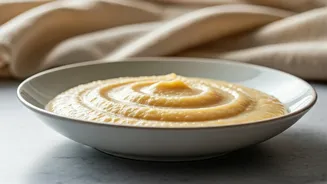
The ceremony's spiritual proceedings include an initial offering of food to the deities. Subsequently, the elder on whose lap the baby is seated offers the first symbolic bite of solid food, often prasad. Other elders then follow, offering their blessings and a taste of the food to the baby. Following the religious rituals, a playful game often takes place, symbolizing the child's future prospects. Various symbolic items are arranged, and the baby is encouraged to choose one. The first object the baby touches is believed to predict their life path: books signify a life of learning, jewels represent wealth, a pen foretells wisdom, clay suggests a connection to property, and food indicates a love for eating and nurturing others.