







Curd's Nighttime Dilemma
While curd is celebrated for its health benefits, including aiding digestion and providing essential nutrients like calcium, its consumption after sunset
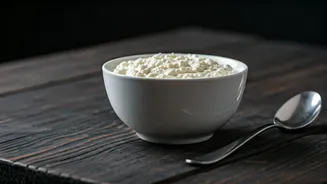
is a subject of much debate. Many individuals find it beneficial, but a significant concern arises regarding its impact on the digestive system when eaten late. According to Ayurvedic principles and medical advice, curd is considered a heavy-to-digest food with sour and cold properties. When consumed at night, especially when the body's activity and digestive fire (Agni) are at their lowest, it can lead to an imbalance in Kapha dosha. This imbalance is believed to contribute to a range of digestive disturbances such as indigestion, bloating, acidity, and even the common cold or cough. The core issue highlighted is that undigested curd can remain in the gut, undergoing fermentation and producing toxins. This process not only disrupts the gut's natural balance by fostering the growth of undesirable bacteria but also contributes to feelings of heaviness and discomfort, potentially affecting sleep quality and overall well-being.
The Fermentation Factor
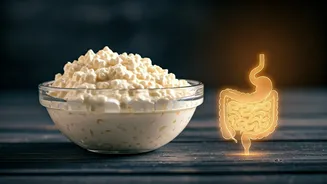
The crux of the problem with eating curd at night lies in the potential for undigested food to ferment within the digestive tract. Curd, being a fermented food itself, can exacerbate this process when consumed late. As the body's metabolic rate slows down considerably during sleep, the digestive system struggles to efficiently break down dense foods. When curd remains undigested, it creates an environment conducive to fermentation. This fermentation generates gases, leading to noticeable bloating and a distended stomach. Furthermore, this build-up of gas can cause discomfort and a sense of fullness, making it difficult to achieve restful sleep. Some experts also point out that lying down shortly after consuming thick curd can hinder proper digestion and may even trigger acid reflux. The acidic nature of curd, combined with its slow breakdown, means it can create a prolonged period of digestive strain, rather than providing its intended cooling effect.
Timing is Everything
The timing of curd consumption plays a critical role in how well it is digested and tolerated. Medical professionals and Ayurvedic practitioners generally recommend consuming curd during the daytime, particularly during lunch. This recommendation is rooted in the understanding that the body's digestive fire, known as Agni, is at its peak during the midday. A stronger digestive fire ensures that food is broken down efficiently, nutrients are absorbed optimally, and waste products are processed effectively. When curd is eaten during this period of peak digestive activity, the likelihood of it remaining undigested and causing problems is significantly reduced. Conversely, as evening approaches and the body prepares for rest, digestive processes naturally slow down. Consuming dense foods like curd at this time places an undue burden on a less active digestive system, increasing the risk of the issues discussed previously, such as fermentation, gas, and bloating. Therefore, aligning curd intake with the body's natural digestive rhythms is key to maximizing its benefits and minimizing potential side effects.
Smarter Alternatives for Night
For those who enjoy a cooling food item in the evening but are concerned about curd's digestive impact, buttermilk, or 'chaas,' emerges as a superior alternative. This traditional Indian beverage is essentially diluted curd from which the heavier fats have been removed. This makes it significantly lighter and much easier for the digestive system to process, especially during the late hours when metabolism is low. Buttermilk offers many of the cooling properties associated with curd without the dense consistency that can cause indigestion. Its diluted nature also means it contains lower levels of lactose, which can be beneficial for individuals with lactose sensitivity. Furthermore, buttermilk moves through the digestive tract more rapidly, providing hydration and a sense of comfort without the heavy load on the stomach. It is considered far kinder to the gut lining during nighttime consumption, offering a refreshing and soothing option that supports digestive ease rather than hindering it.
Optimizing Curd Consumption
While the general advice leans towards avoiding curd at night, there are specific conditions and preparations that might make its consumption more palatable for some individuals. If one absolutely wishes to consume curd in the evening, certain adjustments can mitigate potential digestive issues. It is advised to ensure the curd is at room temperature rather than chilled, as cold foods can further dampen the digestive fire. Additionally, selecting curd that is not overly sour is crucial, as sourness can exacerbate digestive discomfort. To counteract the cold and sour properties, incorporating digestive spices is highly recommended. Spices like cumin, coriander, or ginger are known to aid digestion and have warming properties. Adding these to curd can make it more balanced and less likely to cause problems. Ultimately, understanding one's personal tolerance is paramount. Some individuals may not experience any adverse effects from nighttime curd consumption, while others are highly sensitive. Listening to your body and making informed choices based on personal experience and professional advice is the most effective approach.