
Rainy Days Ahead
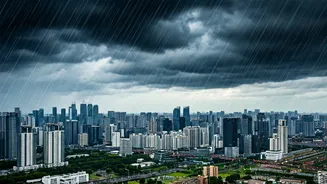
Delhi is bracing for a spell of rain and thundershowers, as indicated by the Indian Meteorological Department (IMD). The weather agency has issued a yellow
alert, signaling the likelihood of adverse weather conditions. This alert serves as a caution for residents, urging them to stay informed and take necessary precautions. The forecast indicates that the rainfall is likely to affect daily routines, potentially causing disruptions in travel and outdoor activities. It's crucial for residents to keep an eye on further updates from the IMD to remain prepared for any weather-related challenges. The prediction is based on the influence of a western disturbance, a weather phenomenon that brings moisture and instability to the region. This is expected to trigger the anticipated rain and thunderstorms across the city, impacting different areas with varying intensities.
IMD's Yellow Alert
The issuance of a yellow alert by the IMD serves as an official advisory to the residents of Delhi. This alert signifies that the weather conditions pose a potential risk and that vigilance is advised. The IMD uses different color-coded alerts to communicate the severity of expected weather phenomena, with yellow indicating a need for awareness. The alert informs the public about the probable intensity and scope of the adverse weather conditions. In practical terms, this could mean ensuring safety precautions for outdoor activities and travel, particularly for people commuting or working outside. The IMD's warnings are invaluable for planning and organizing daily activities to minimize potential disruptions from the weather. This proactive approach helps to reduce the impact of the challenging weather and ensures that the public remains informed and prepared for the upcoming changes.
Western Disturbance Impact
The primary factor behind the expected rainfall and thunderstorms in Delhi is the influence of a western disturbance. A western disturbance is a weather system that originates in the Mediterranean region and travels eastward across India. As it passes over the region, it brings with it moisture and instability, providing the necessary ingredients for cloud formation and precipitation. The current western disturbance is causing the atmospheric conditions that will ultimately lead to rain and thunder. The IMD monitors these weather systems and their trajectories to provide timely and accurate weather forecasts. The information provided by the IMD helps to anticipate and prepare for the associated weather conditions, allowing for adjustments in daily plans and precautions to ensure public safety.
Coldest Republic Day
Adding to the weather context, it's worth noting that Delhi recently experienced its coldest Republic Day in the past five years. While this detail isn't directly related to the current rain forecast, it provides a sense of the fluctuating and sometimes extreme weather patterns the city faces. The chilly temperatures during this significant national event highlight the range of climatic conditions that Delhi residents contend with. It helps to illustrate that the city's climate varies significantly even within short time frames. The weather patterns affecting Delhi can vary widely. Understanding these variations helps build a comprehensive awareness of the city's climate, allowing for more informed responses to both short-term forecasts and long-term climate trends.