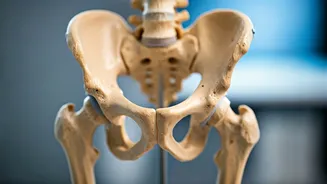







Embrace Gentle Stretching
The first step to improving hip mobility often involves incorporating gentle stretches into your daily routine. Begin with exercises like hip flexor stretches,
which can be done by kneeling on one knee and gently pushing your hips forward, feeling the stretch in the front of your thigh. Additionally, consider hamstring stretches, either seated or standing, to loosen the muscles that influence hip movement. Another effective stretch is the butterfly stretch, performed by sitting with the soles of your feet together and gently pressing your knees toward the floor. It's crucial to hold each stretch for at least 20-30 seconds, breathing deeply to maximize the benefits. Remember to listen to your body and avoid pushing yourself too far, particularly when starting a new exercise regimen.
Warm-Up Before Exercise
Before engaging in any physical activity, warming up your hips is essential to prepare them for movement. A dynamic warm-up can significantly enhance hip mobility and reduce the risk of injury. Start with exercises like leg swings, both forward and sideways, to increase blood flow and flexibility in the hip joint. Follow this with hip circles, where you gently rotate your hips in a circular motion, both clockwise and counterclockwise. Another useful warm-up is the torso twist, which improves the range of motion in your core and indirectly benefits your hip function. The warm-up process should last approximately 5-10 minutes, gradually increasing the intensity to prepare your hips for more strenuous activities.
Strengthen Core Muscles
Strengthening your core muscles is vital for supporting your hips and enhancing overall mobility. A strong core provides stability, which reduces strain on the hip joint and allows for better movement. Incorporate exercises like planks, which engage multiple core muscles simultaneously, including the abdominals and lower back. Side planks are another excellent option, targeting the obliques and further improving core stability. Include exercises such as bird-dog, where you extend opposite arm and leg while maintaining a stable core, further enhancing balance and core strength. Performing these exercises 2-3 times per week, with consistent effort, will significantly contribute to improved hip mobility and overall physical well-being. Proper form during these exercises is crucial to avoid injury.
Stay Hydrated Adequately
Maintaining proper hydration is often overlooked but plays a significant role in hip health. Adequate hydration keeps the cartilage in your hips lubricated, allowing for smoother movements and reducing stiffness. Drinking sufficient water throughout the day helps prevent dehydration, which can lead to inflammation and decreased joint function. The recommended daily water intake varies, but aiming for at least eight glasses of water per day is a good starting point. Consider adding hydrating foods to your diet, such as fruits and vegetables with high water content, like cucumbers, watermelons, and spinach. Regular hydration ensures your body functions optimally, helping to maintain hip mobility and overall wellness, especially in the dry winter months.
Maintain Healthy Weight
Keeping a healthy weight is vital for reducing stress on your hips and improving mobility, particularly during the winter months. Excess weight puts additional pressure on the hip joints, which can lead to increased stiffness and pain. By achieving and maintaining a healthy weight, you can alleviate this stress and allow your hips to move more freely. Regular exercise is essential, including both cardiovascular activities, like walking or cycling, and strength training exercises, to build muscle and burn calories. Combining regular physical activity with a balanced diet rich in whole foods, lean proteins, and healthy fats is important. Consult a healthcare professional or a registered dietician to develop a personalized weight management plan that suits your needs and goals, focusing on sustainable lifestyle changes for long-term health benefits.
Consider Nutritional Supplements
Certain nutritional supplements may help support hip health and improve mobility. However, it's essential to consult with a healthcare professional before starting any new supplements. Glucosamine and chondroitin are popular supplements believed to support cartilage health and reduce joint pain, although scientific evidence on their effectiveness varies. Omega-3 fatty acids, found in fish oil, can also reduce inflammation in the body, potentially benefiting hip joints. Curcumin, the active compound in turmeric, has anti-inflammatory properties, which may reduce stiffness and improve mobility. While supplements can be beneficial, they should complement a healthy lifestyle, not replace it, and they are most effective when paired with regular exercise and a balanced diet tailored to support overall joint health.
Prioritize Proper Posture
Maintaining good posture is crucial for hip health, especially during prolonged periods of sitting. Poor posture can strain your hips and lead to stiffness and discomfort. When sitting, ensure that your back is straight, shoulders are relaxed, and feet are flat on the floor or supported. Using a chair with good lumbar support can help maintain proper spinal alignment. Try to get up and move around every 30 minutes to avoid prolonged static postures that can negatively impact your hips. When standing, keep your weight evenly distributed on both feet, and avoid slouching. Pay attention to your posture throughout the day, making conscious efforts to correct any slouching or uneven weight distribution, to preserve joint health.
Incorporate Regular Exercise
Regular exercise is one of the most effective strategies to improve and maintain hip mobility. Activities like walking, swimming, and cycling are excellent options that provide gentle movement and reduce joint stress. Consider incorporating low-impact exercises such as yoga and Pilates, which focus on flexibility, balance, and core strength, all essential for hip health. Doing strength training exercises, such as squats and lunges, that target the muscles around the hips will help improve stability and flexibility. Aim for at least 30 minutes of moderate-intensity exercise most days of the week. Consistency is key, so make exercise a regular part of your routine to experience long-term benefits for your hip mobility and overall well-being. Always consult with a healthcare provider before starting a new exercise regime.
Seek Professional Help
If you experience persistent hip pain or limited mobility, it is crucial to seek professional help. Consulting with an orthopaedist or a physical therapist can provide tailored guidance and treatment. An orthopaedist can diagnose any underlying conditions and recommend appropriate interventions. A physical therapist can provide specialized exercises, manual therapy, and other techniques to improve hip function and reduce pain. They can also educate you on proper techniques and offer modifications to exercises that suit your specific needs. Do not hesitate to seek professional assistance, particularly if your symptoms worsen or do not improve with home remedies. Early intervention can prevent further complications and improve your long-term hip health and quality of life.