






Cauliflower Cultivation Surge
In the Delhi region, the cultivation of cauliflower has experienced a notable upswing, with farmers dedicating more land to this crop to meet escalating
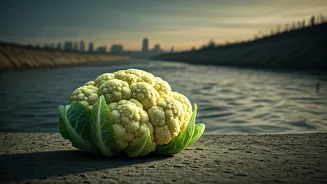
market demand. This expansion, however, is unfolding against a backdrop of significant environmental challenges. The core issue lies in the widespread dependency on contaminated water sources for irrigating these expanding fields. Many farms are situated perilously close to rivers like the Yamuna and its tributaries, which are heavily polluted with industrial waste and untreated sewage. This reliance on toxic water raises grave concerns about the safety and quality of the cauliflower produced, posing direct risks to the health of consumers who ultimately ingest it. The economic incentives driving this surge in cultivation often overshadow the environmental and health implications, creating a complex dilemma for both farmers and the wider community.
The Peril of Polluted Irrigation
The practice of using polluted water for irrigating cauliflower fields is not merely an inconvenience; it's a significant health hazard. The contaminated water, a cocktail of industrial effluents and sewage, infiltrates the soil and is absorbed by the cauliflower plants. This absorption leads to the accumulation of heavy metals such as chromium, copper, cadmium, zinc, nickel, and lead, with concentrations found to be up to 50 times the permissible limits set by the Food and Agriculture Organization. Studies have confirmed that agricultural products grown in such conditions can lead to deleterious human health effects. Experts warn that the long-term consumption of this produce can result in developmental issues and chronic diseases, turning a thriving agricultural sector into a potential public health crisis if not addressed promptly.
Farmers' Dilemma & Solutions
Farmers in areas like Dichaon Kalan and Jharoda Kalan often find themselves in a difficult position, where economic realities compel them to use polluted water. While some, like Pramod Mandal, aim to use groundwater, the saline nature of the water in certain areas or breaches in drains during monsoons, as experienced by Meena Kumari, force them to turn to the polluted drain water. This situation is exacerbated by a lack of adequate irrigation infrastructure. Activists like Paras Tyagi highlight the structural gap, noting the absence of proper irrigation channels or canals in Delhi, unlike neighboring states. The demand from farmers for alternative clean water sources, such as canals, is clear. Addressing this crisis requires a multi-pronged approach, including stricter regulations on industrial waste disposal, provision of clean irrigation water, development of sustainable farming methods, and promotion of alternative water sources.
A Growing Health Concern
The burgeoning cauliflower production in Delhi, while economically beneficial for many farmers, casts a long shadow of potential health risks. As fields in Dichaon Kalan and neighboring areas are irrigated with water from drains like the Mungeshpur, carrying a mix of industrial waste and sewage, the produce becomes a vehicle for harmful contaminants. Scientific assessments, including those from IIT-Delhi researchers along the Najafgarh drain, reveal alarming levels of heavy metals in the water. This contamination doesn't just affect the immediate crop but also leads to the long-term accumulation of these toxins in the soil. The consequences of consuming such produce are serious, potentially leading to chronic illnesses. Environmentalists and health experts are sounding the alarm, urging immediate action to curb pollution and provide safe irrigation alternatives before the situation escalates into a widespread public health emergency.