





The Power of Incense
Across cultures and millennia, humans have harnessed the aromatic power of burning herbs, incense, and botanicals to sanctify spaces, deepen meditation,
and facilitate spiritual connection. Plants like sage, frankincense, lavender, and bay leaf are revered for their ability to evoke feelings of holiness and tranquility, making them staples in personal sanctuaries, temples, and wellness retreats. The intentional act of burning these natural elements is believed to purify the environment and the mind, creating a conducive atmosphere for prayer, mindfulness, and energetic clearing. This practice is deeply embedded in various traditions, serving as a tangible link to ancient wisdom and a pathway to inner peace.
Harmonious or Clashing Scents
While the intention behind burning herbs is often to enhance spiritual experiences, a common pitfall lies in the artful combination of specific plants. Many spiritual traditions, both old and new, offer guidance against indiscriminately blending certain herbs. The rationale behind these cautions is rooted in the potential for the resulting aromas to become overpowering, or for the energetic properties of the combined scents to create a discordant effect. This clash can inadvertently diminish the sanctity of the ritual, making it harder to achieve the desired state of focus, prayer, or meditation. For instance, the potent combination of sage and jasmine is sometimes cited as producing an unpleasantly strong or even offensive odor, detracting from its intended purpose.
Specific Blends to Avoid
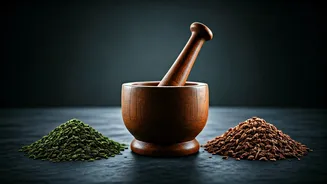
Certain herb pairings are known to be particularly potent and may not suit all ritualistic settings, especially enclosed spaces. A frequently mentioned combination that can be overwhelming is rosemary and frankincense; their strong, intertwined fragrances are best experienced separately to avoid sensory overload. Similarly, while lavender is often associated with calming effects, and clove with invigoration, burning them together can be counterproductive for those seeking serene rituals. The powerful aroma of lavender might be intended to soothe, while clove’s stimulating scent could awaken, thus potentially negating the desired tranquil state. Likewise, for those aiming for focused meditation, the combined burning of mint and bay leaf can create an intensity that distracts rather than aids concentration.
Aromatherapy and Intent
From an aromatherapy perspective, the essential oils released by burning herbs play a crucial role in influencing mood, promoting relaxation, and enhancing focus. When strong or conflicting scents are introduced, particularly within confined areas, the senses can become overwhelmed. This sensory overload can detract from the intended spiritual or meditative goals, making it difficult to achieve a state of calm or clarity. Professionals in the field emphasize the importance of understanding how specific aromas impact our emotional and mental states. Therefore, when engaging in practices aimed at spiritual well-being, it's vital to be mindful of the olfactory experience, ensuring it supports, rather than hinders, your personal journey.
Mindful Herb Selection
As global interest in spiritual well-being and holistic living continues to grow, experts are increasingly highlighting the significance of using herbs safely and appropriately within rituals. The careful selection of herb combinations is paramount, as is ensuring adequate ventilation in the spaces where they are burned. Herbs like sage, frankincense, lavender, rosemary, and bay leaf hold deep cultural and religious importance for many, and their traditional uses in meditation and ritual are well-documented. By approaching the practice with mindfulness and an understanding of how different scents interact, individuals can ensure their chosen botanicals enhance their spiritual endeavors, fostering a more profound and peaceful connection to their practice.