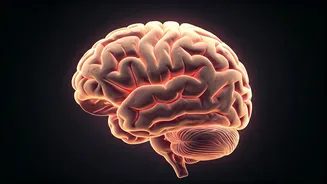

Understanding Neurogenesis
Neurogenesis, the process of generating new neurons in the brain, is crucial for learning, memory, and overall brain health. It occurs throughout life,
though at varying rates. Factors such as age, lifestyle, and environment can influence neurogenesis. The exercises mentioned by the neuroscientist are designed to support and stimulate this natural process. They target key areas of the brain that are responsible for cognitive functions. By regularly engaging in these exercises, individuals may be able to support their brain's ability to create new cells and improve its overall performance. The exercises are not merely about physical activity; they also involve mental engagement and focus, which are key components for positive results. This proactive approach to brain health offers a practical way to potentially improve cognitive function through everyday actions.
Exercise 1: Aerobic Workouts
The first exercise recommended by the neuroscientist is aerobic exercise. This type of physical activity is well-known for its benefits to cardiovascular health, but it also has a significant impact on the brain. Aerobic workouts, which include activities like running, swimming, or cycling, increase blood flow to the brain. Increased blood flow delivers more oxygen and nutrients to brain cells. This enhanced supply helps the brain function more efficiently and promotes the creation of new neurons. The neuroscientist emphasizes the importance of consistency; regular aerobic exercise is more effective than sporadic bursts. Aiming for at least 150 minutes of moderate-intensity exercise per week, or 75 minutes of vigorous-intensity exercise, can potentially boost neurogenesis. Furthermore, aerobic exercise also releases endorphins, which can improve mood and reduce stress, contributing to a healthier brain environment.
Exercise 2: Cognitive Training
The second exercise highlighted by the neuroscientist involves cognitive training, which challenges the brain and promotes new neural connections. Cognitive training can encompass a variety of activities, such as puzzles, memory games, and learning new skills. These activities require active mental engagement, forcing the brain to adapt and create new pathways. This process, known as neuroplasticity, is essential for learning and memory. Cognitive training also helps strengthen existing connections between brain cells. Engaging in activities that are new and challenging is particularly effective. Learning a new language, playing a musical instrument, or mastering a new skill engages different parts of the brain, promoting neurogenesis. The neuroscientist suggests varying the types of cognitive training to keep the brain stimulated and prevent it from becoming too accustomed to a specific task. Regular practice and seeking out new challenges are key components for effective cognitive training.
Exercise 3: Mindful Meditation
The final exercise suggested by the neuroscientist is mindful meditation, which focuses on enhancing mental clarity and reducing stress. Meditation involves focusing the mind on the present moment, paying attention to thoughts and sensations without judgment. This practice has been shown to reduce stress hormones like cortisol, which can negatively impact brain health. Stress reduction creates a more conducive environment for neurogenesis. Regular meditation increases grey matter in areas of the brain associated with attention, memory, and emotional regulation. This boost in grey matter suggests improved cognitive function. Even short meditation sessions can have a positive effect. The neuroscientist recommends incorporating mindful meditation into your daily routine for its potential brain-boosting benefits and overall well-being. Finding a quiet space and dedicating even a few minutes each day to meditation can make a noticeable difference in mental clarity and focus, paving the way for better brain health.