





Vedic Astrology Basics
Vedic Astrology, also known as Jyotisha, is an ancient Indian system of astrology that traces its roots back to the Vedas. It offers a comprehensive framework
for understanding life's various aspects, including personality traits, relationships, career, and health. The fundamental premise of Vedic Astrology is that the positions of celestial bodies at the time of an individual's birth significantly influence their life path. These positions, meticulously recorded, form the birth chart (Kundli), a map of the heavens at that precise moment. This chart is the cornerstone for all astrological analysis. Vedic Astrology employs a sidereal zodiac, which differs from the tropical zodiac used in Western astrology. The sidereal zodiac considers the actual positions of constellations in the sky, offering a more precise alignment with the celestial sphere. This nuanced approach contributes to the unique insights provided by Vedic Astrology. The system also encompasses various calculations, including planetary periods (Dashas) and transits, to predict future events and understand the timing of important life experiences.
Zodiac Signs Unveiled
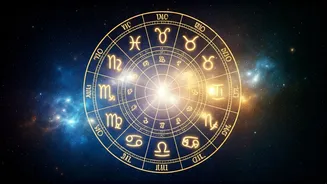
The zodiac, the celestial band through which the Sun, Moon, and planets appear to move, plays a pivotal role in Vedic Astrology. Each of the twelve zodiac signs—Aries (Mesha), Taurus (Vrishabha), Gemini (Mithuna), Cancer (Karkata), Leo (Simha), Virgo (Kanya), Libra (Tula), Scorpio (Vrishchika), Sagittarius (Dhanu), Capricorn (Makara), Aquarius (Kumbha), and Pisces (Meena)—possesses unique characteristics and influences. These signs represent different archetypes and energies that shape an individual's personality, strengths, and weaknesses. The Sun sign, determined by the position of the Sun at the time of birth, provides a fundamental understanding of an individual's core self. However, the Moon sign, which is the position of the Moon at birth, is often considered more significant in Vedic Astrology as it is believed to represent the mind and emotions. Analyzing the placement of planets within these signs provides further insights. Planets in certain signs may exhibit their inherent traits more powerfully. The interplay of signs in a birth chart reveals a complex interplay of influences, forming a detailed portrait of an individual's potential and challenges.
Planets and Their Impact
In Vedic Astrology, planets are not merely celestial bodies; they are cosmic influencers, each with its unique characteristics and effects on human life. The nine planets (Grahas) include the Sun (Surya), Moon (Chandra), Mars (Mangal), Mercury (Budha), Jupiter (Guru), Venus (Shukra), Saturn (Shani), and the shadow planets Rahu and Ketu. Each planet governs specific areas of life. For instance, the Sun represents the self, authority, and vitality, while the Moon governs emotions, the mind, and the subconscious. Mars embodies energy, courage, and action; Mercury signifies intellect, communication, and adaptability; Jupiter represents wisdom, fortune, and expansion; Venus governs love, beauty, and relationships; Saturn symbolizes discipline, limitations, and karma. Rahu and Ketu, the lunar nodes, are crucial in understanding karmic influences and spiritual evolution. Rahu often represents material desires and obsessions, whereas Ketu signifies spirituality and detachment. The placement of these planets in different houses and signs within the birth chart provides nuanced insights. The interaction between planets, known as planetary aspects, also plays a crucial role in shaping events and influencing life experiences. Understanding these planetary influences offers valuable guidance for navigating life's complexities and making informed decisions.
Understanding the Birth Chart
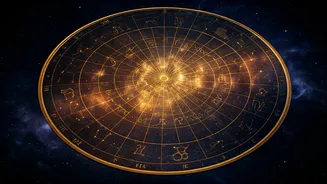
The birth chart, or Kundli, is the cornerstone of Vedic Astrology. It's a snapshot of the celestial positions at the precise moment of an individual's birth. This chart is a highly personalized map of the heavens, divided into twelve houses, each representing a different area of life. The placement of planets within these houses and signs unveils a wealth of information about an individual's personality, potential, and life path. The Ascendant (Lagna) is the most crucial point in the birth chart. It signifies the rising sign at the time of birth and represents the individual's physical appearance, temperament, and overall approach to life. Each house corresponds to specific aspects of life, such as career (10th house), relationships (7th house), finances (2nd house), and health (6th house). The planets' positions in these houses provide insights into the events and experiences one will encounter. Analyzing the planetary aspects, or the angles between planets, adds another layer of complexity. Aspects can create both harmonious and challenging influences. By examining the birth chart, astrologers can offer valuable guidance on an individual's strengths, weaknesses, and potential opportunities and challenges.
Applying Vedic Principles
Vedic Astrology is not merely a predictive system; it also provides practical guidance for enhancing life experiences. Understanding the influence of planets and signs can help individuals make informed decisions, improve relationships, and navigate challenges. One of the primary applications is in career guidance. Astrologers analyze the 10th house (career) and related planetary placements to identify suitable career paths and advise on career progression. In relationships, Vedic Astrology offers insights into compatibility between partners through Kundli matching. This process evaluates the compatibility of the birth charts of two individuals to assess their potential for a harmonious relationship. Remedial measures, such as gemstone recommendations, mantras, and rituals, are often suggested to mitigate negative planetary influences and enhance positive energies. Gemstones are believed to amplify the beneficial effects of specific planets. Mantras are sacred chants that can be used to invoke planetary blessings and alleviate hardships. Rituals, like pujas (worship ceremonies), are designed to appease the planets and improve their positive impact. By integrating Vedic principles into daily life, individuals can gain self-awareness, improve their decision-making skills, and strive for a more balanced and fulfilling existence.