

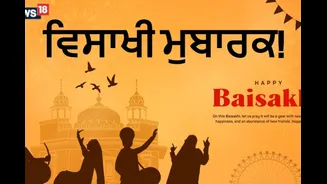


Baisakhi's Dual Significance
Baisakhi, also widely recognized as Vaisakhi, is a deeply cherished festival primarily celebrated in Punjab, holding immense importance for both the Hindu
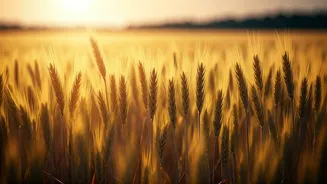
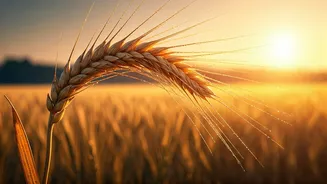
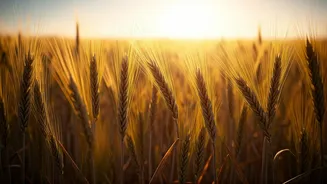
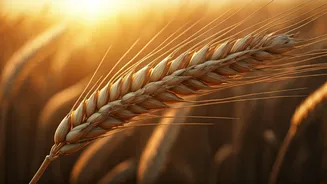
and Sikh communities. For Hindus, it marks the auspicious occasion of the harvest festival, signifying the culmination of their agricultural efforts and the start of a new cycle. Sikhs, on the other hand, commemorate a pivotal moment in their history with Baisakhi – the formation of the Khalsa Panth by Guru Gobind Singh Ji in 1699. This historical event imbues the festival with profound spiritual and cultural significance, representing equality, courage, and the spirit of selfless service. In 2026, this multifaceted festival is scheduled to be celebrated on April 14th, with the Vaishakhi Sankranti moment occurring at precisely 09:39 AM, setting the stage for a day of joyous observance and reflection.
Historical Roots and Spiritual Depth
The historical tapestry of Baisakhi is woven with threads of both agrarian prosperity and spiritual awakening. While it has long been celebrated as a harvest festival, particularly by farmers in Punjab to offer thanks for their hard-earned produce, its most significant historical marker for Sikhs is the establishment of the Khalsa Panth. In 1699, Guru Gobind Singh Ji, the tenth Sikh Guru, took this monumental step, creating a distinct religious and martial order that symbolized a commitment to justice, righteousness, and the defense of the oppressed. This act redefined Sikh identity, emphasizing bravery, integrity, and a life dedicated to service. Consequently, Baisakhi is not merely a day of feasting and revelry; it is a profound reminder of these core values, encouraging Sikhs to embrace life with renewed vigor, unwavering faith, and a spirit of profound gratitude towards their spiritual leaders and the divine.
Vibrant Celebrations and Traditions
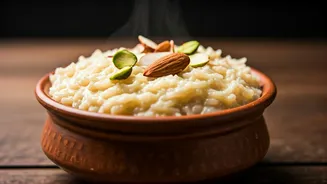
The celebration of Baisakhi is a riot of color, devotion, and community spirit. The day typically commences with devotees rising early to take a purifying bath, followed by a visit to the Gurudwara for prayers and to offer their sincere devotion. A hallmark of Baisakhi celebrations are the spirited Nagar Kirtans, where devotional hymns are sung in processions through the streets, often accompanied by bands and decorated floats. The spirit of community is further embodied through Langars, communal kitchens where free meals are served to all, irrespective of background, emphasizing equality and selfless service. Participants adorn themselves in their finest traditional attire: men often don vibrant turbans and kurtas, while women delight in colorful Punjabi suits. Fairs spring up, buzzing with activity, featuring traditional music, dance, and cultural performances, while homes are decorated and special Punjabi delicacies are prepared, making Baisakhi a truly joyous and inclusive festival for all.