






The Growing Nutrient Gap
Childhood is a crucial phase for development, demanding a steady supply of essential nutrients to foster robust physical growth, sharp cognitive skills,
and a strong immune system. However, the modern urban landscape, saturated with readily available junk food and highly processed alternatives, often sidelines proper nourishment. The ease of food delivery apps means less healthy options are just a tap away, making them a convenient yet detrimental choice for busy families. These foods, packed with preservatives, excessive sugar, and artificial additives, are inherently appealing to children, naturally displacing healthier, home-cooked meals. This shift has led to significant nutritional deficits in the diets of many urban children, a trend observed by experts who note the high palatability of these foods, despite their low nutritional value and the health risks associated with their high sugar, salt, and fat content. Consequently, many children consume calorie-dense foods that offer minimal actual nutrition, often resulting in weight gain without adequate nutrient intake.
Key Nutrients Falling Short
Children are increasingly drawn to processed snacks, creating noticeable nutritional voids in their daily intake as these options are often 'empty calories.' Pediatric neurologist Dr. Sonam Kothari highlights that these deficiencies span both macronutrients, such as protein and healthy fats, and micronutrients, including vital minerals like zinc and magnesium, along with essential vitamins. She observes that a vast number of children in urban settings struggle with protein deficiency. This is primarily because their diets are heavily reliant on cereal-based foods, which generally lack sufficient high-quality protein. This persistent lack of protein significantly hampers a child's physical growth, their ability to recover from physical exertion, and the effectiveness of their immune system. Another critical macronutrient often found wanting is healthy fat, with omega-3 fatty acids being a particular concern. The reliance on refined cooking oils and a reduced intake of fatty fish and other natural sources of omega-3 contribute to this deficit.
Bridging the Dietary Divide
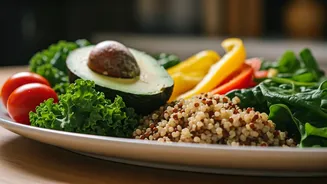
To combat these widespread nutritional shortcomings, Dr. Kothari suggests practical dietary adjustments. A primary recommendation is to transition from refined food products to whole, unprocessed options. This means substituting refined grains like maida and white bread, as well as packaged snacks, with whole grains such as whole wheat, millets, brown rice, and oats. Incorporating leafy green vegetables, nuts, and seeds into daily meals is also crucial for enhancing nutrient absorption. To boost omega-3 intake, regular consumption of foods like flax seeds, walnuts, and chia seeds is advised. Furthermore, diversifying protein sources beyond simple pulses is essential; this includes adding legumes, lentils, eggs, lean meats, fish, and dairy products to the diet. Finally, a conscious effort to reduce the consumption of processed foods high in salt, sugar, and unhealthy fats, and replacing them with nutrient-dense alternatives, is key to building healthier eating habits.