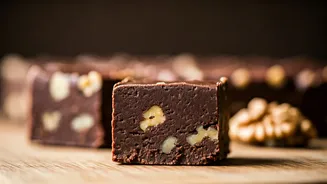








Introduction to Fudge
Fudge, traditionally a rich and sweet confection, often includes ingredients like butter, sugar, and milk or cream. However, this recipe takes a health-conscious
approach. This version aims to deliver the same satisfying texture and flavor of traditional fudge, but with a focus on nutritious components. The transformation involves swapping out refined sugars and heavy creams for healthier alternatives, creating a treat that caters to those mindful of their diet without sacrificing taste. The shift marks a trend towards integrating healthier options into everyday treats, demonstrating that deliciousness and wellness can indeed coexist.
Key Ingredients Unveiled
The cornerstone of this healthy fudge is likely to be high-quality dark chocolate, known for its rich flavor and antioxidant properties. This contrasts with traditional recipes that might use milk chocolate with higher sugar content. Next, the recipe often incorporates natural sweeteners such as maple syrup or honey, replacing refined sugar. These not only provide sweetness but may also offer additional nutrients. Walnuts, a central component, contribute healthy fats, protein, and a satisfying crunch. Consider the inclusion of ingredients like unsweetened cocoa powder, a further enhancer of the chocolate flavor, and perhaps a touch of sea salt to balance the sweetness. The absence of butter or cream could be compensated by using coconut oil or avocado, contributing to a creamy texture and adding another layer of health benefits.
Step-by-Step Preparation
The method begins, potentially, with melting the chocolate, either via a double boiler or in short bursts in the microwave, to prevent burning. Once melted, the natural sweetener gets mixed in until smooth, ensuring an even distribution of sweetness. Then, the other components, such as cocoa powder and coconut oil, might be added and blended thoroughly. The crushed walnuts are incorporated near the end, providing texture and a nutty flavor. This mixture gets poured into a lined baking dish, ready for setting. Refrigeration is the key to solidifying the fudge, usually taking a few hours. Cutting the chilled fudge into squares or bars is the final step, leading to individual portions ready to be enjoyed. The ease of preparation showcases how simple it is to craft a healthier version of a classic treat.
Nutritional Highlights
The beauty of this recipe lies in its nutritional benefits. By using dark chocolate, there’s an intake of antioxidants known to combat free radicals in the body, promoting overall health. Walnuts enrich the recipe with omega-3 fatty acids, crucial for brain function and heart health. The substitution of refined sugars with natural sweeteners lessens the sugar rush, making it a better choice for maintaining stable blood sugar levels. Furthermore, the selection of coconut oil or avocado not only contributes to the creamy consistency but also provides healthy fats. This strategic ingredient selection means each piece of fudge becomes a source of essential nutrients rather than just an empty-calorie indulgence, which supports the aim of a balanced diet.
Customization & Variations
One of the pleasures of making recipes at home is the possibility of adapting them to suit personal preferences. Variations in this healthy fudge recipe could involve adding different nuts, such as almonds or pecans, to alter the texture and taste. For a hint of spice, a pinch of cayenne pepper or cinnamon could be incorporated. Adding extracts like vanilla or peppermint can provide new flavors. The recipe can also be tailored to dietary restrictions. For instance, using a vegan chocolate and ensuring all ingredients are plant-based allows the recipe to fit into a vegan diet. By experimenting with different add-ins and sweeteners, the creator can craft a unique fudge recipe that's as healthy as it is delectable, providing endless opportunities for variety and enjoyment.
Serving and Enjoying
Serving this healthy chocolate walnut fudge can be as simple as cutting it into squares and arranging them on a platter. It can also be paired with a cup of coffee or tea, or even served as a dessert after a nutritious meal. Because it is a healthier alternative, the fudge can be enjoyed without the excessive guilt that often accompanies traditional sweets. To maintain freshness, it’s best stored in an airtight container in the refrigerator, where it can last for several days. Planning ahead and portioning the fudge into individual servings is a great way to control intake and make it even easier to indulge responsibly. Ultimately, the recipe encourages a balanced approach to enjoying treats as part of a healthy lifestyle.