





Sacred Beginnings
The journey of wearing Rudraksha begins with a sacred ritual. It is traditionally recommended to adorn your Rudraksha for the first time in the morning,
after a period of focused prayer and the recitation of a sacred mantra at least nine times. This initial act sets the intention and imbues the beads with spiritual energy. When you need to remove your Rudraksha, treat it with the utmost respect. It should be placed in a clean, consecrated area, much like a sacred Tulsi mala, signifying its divine status and maintaining its sanctity.
Purity and Respect
Maintaining a state of purity is paramount when wearing Rudraksha. Devotees are often advised to abstain from certain consumables, specifically alcohol and non-vegetarian foods, as these are considered to disrupt the spiritual energy. Furthermore, it's essential to avoid wearing Rudraksha in environments that are considered impure, such as cremation grounds, where the vibrational energy is thought to be negative. Adhering to personal hygiene, including bathing before wearing the beads, is also a fundamental aspect of showing respect and ensuring the Rudraksha's efficacy.
Auspicious Adornment
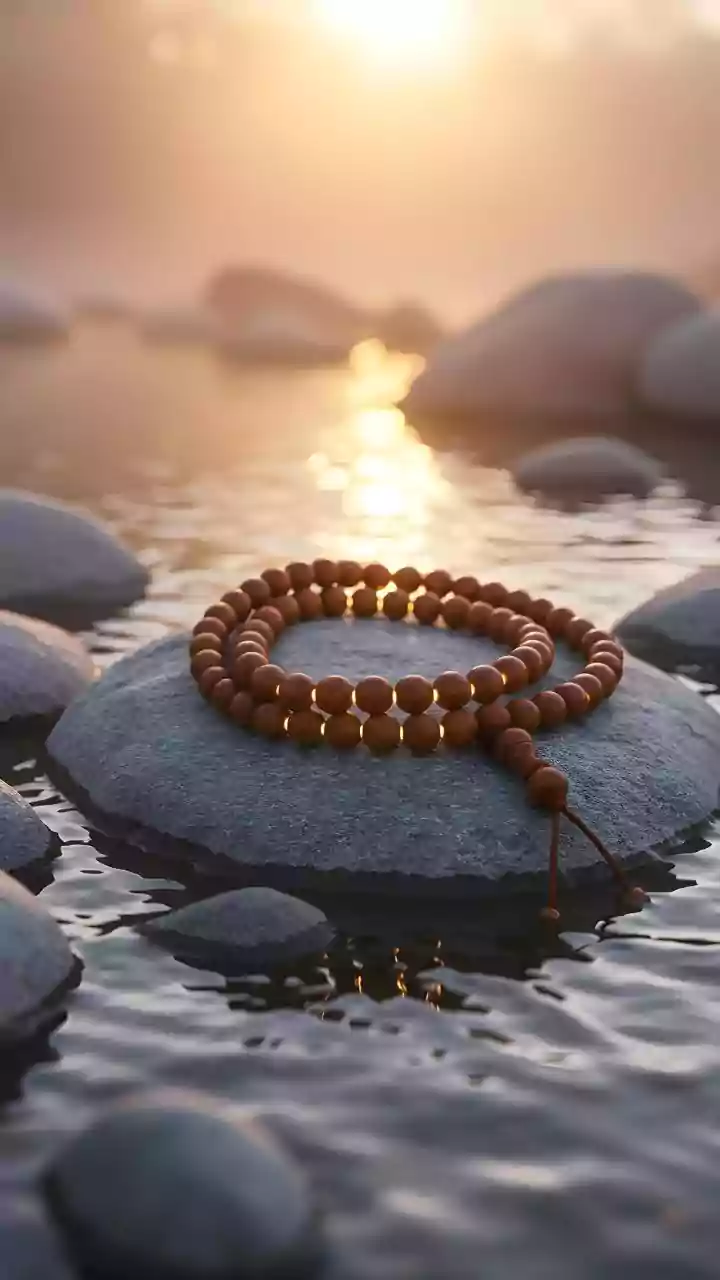
The method of stringing and wearing Rudraksha also carries traditional significance. It is generally recommended to use red or yellow threads for stringing the beads, as these colours are traditionally associated with auspiciousness and positive spiritual vibrations in Indian culture. For those wearing Rudraksha as a mala, an odd number of beads is preferred, with a minimum of 27 beads being a common practice. This careful attention to detail in how the Rudraksha is worn is believed to enhance its ability to bring mental peace, positive energy, and overall spiritual balance into one's daily existence.
Shiva's Tears
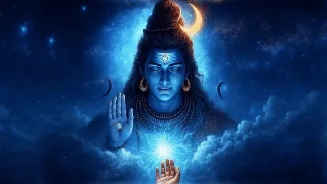
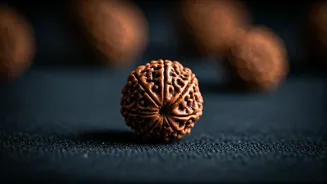
Rudraksha beads are deeply revered in India, holding a profound spiritual significance rooted in Hindu mythology. Believed to have originated from the tears shed by Lord Shiva himself, these beads are considered exceptionally sacred. Many followers choose to wear them daily, either as necklaces (malas) around their necks or as bracelets on their wrists, often during prayer or meditation. This practice stems from the belief that wearing them with mindfulness and adherence to traditional guidelines can bestow immense spiritual benefits and connect the wearer to divine energy.