






Harmonizing Energy Flow
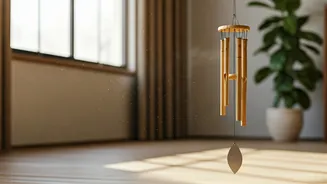
Wind chimes, more than just decorative pieces, are integral to Vastu Shastra for drawing wealth, luck, and emotional stability into homes. For centuries,
their aesthetic and spiritual qualities have been recognized. Vastu experts emphasize that the material composition, directional placement, and hanging location of wind chimes significantly influence the ambiance of a dwelling. By strategically positioning them, these resonant objects are believed to welcome beneficial energy and dissipate stagnant vibrations, thereby transforming the energetic currents within a space. The gentle melodies produced are said to uplift the atmosphere and cleanse the surroundings of negative influences, contributing to a more peaceful and balanced environment for inhabitants.
Optimal Hanging Spots
According to Vastu Shastra principles, wind chimes should be positioned where natural air currents are most active, such as near windows, doors, or on balconies. This consistent airflow ensures their melodious sound is frequently produced, a phenomenon considered auspicious for energy influx. The orientation is also crucial: metal wind chimes are recommended for the north, west, or northwest sectors to invite financial gains, good fortune, and enhanced opportunities. Conversely, wooden or bamboo wind chimes are best suited for the east or southeast directions, aligning with aspects of health, personal growth, and financial stability. Placing wind chimes near the main entrance is a popular method for inviting positive energy, though they should not hang directly overhead but rather on either side to maintain a continuous flow of auspicious vibrations into the home.
Indoor Placement Insights
To ensure their soothing sounds permeate every corner of the house, wind chimes can be hung near windows or in central areas where their presence can be felt throughout. This is believed to help neutralize discordant energies and foster a serene atmosphere. However, their placement requires careful consideration; they should not be situated directly above beds, as this can potentially disrupt sleep or concentration. Bedrooms benefit from having wind chimes located near windows or balconies, allowing for gentle auditory stimulation without being intrusive. Incorrect placement can inadvertently lead to disturbances in rest and focus, underscoring the importance of thoughtful positioning within the home.
Material and Rod Significance
Vastu guidelines place significant importance on the material from which wind chimes are crafted. Metal wind chimes are often used externally to ward off negative energies. For those seeking personal growth and tranquility, bamboo or wooden chimes are suggested. Ceramic and crystal wind chimes, when placed appropriately, are thought to improve interpersonal relationships, enhance learning, and promote emotional well-being. The number of rods on a wind chime also holds meaning, with three, six, or nine rods commonly associated with good luck and wealth. Smaller rod counts might be more suitable for fostering better relationships and harmony among household members.
Placement Pitfalls to Avoid
Strategic placement is key to maximizing the benefits of wind chimes; conversely, incorrect positioning can diminish their effectiveness. Experts advise against placing them in areas where people frequently gather for dining, sitting, or working, as they can become an obstruction. Ensuring adequate space around the wind chimes allows their sound to resonate more freely and effectively, thereby enhancing their ability to positively influence the environment. Avoiding cluttered or overly occupied spaces ensures that the chimes' subtle vibrations can travel unimpeded, contributing to a more harmonious and energetically balanced living space.