






Celestial Fireworks Display
The Quadrantids, a prominent meteor shower, are known for their vibrant fireballs and can be a spectacular sight. It is important to note that the shower is active
in early January, with the peak occurring around the 3rd and 4th of the month. To fully appreciate this celestial event, it's best to be away from city lights, where light pollution can diminish the visibility of the meteors. The Quadrantids present a fantastic opportunity for stargazers, offering a chance to witness the beauty of space. The key is to find a dark location, give your eyes about 20 minutes to adjust to the darkness, and then simply look up. The radiant point for the Quadrantids is located in the constellation Bootes, near the Big Dipper.
Timing and Viewing Tips
The peak viewing time for the Quadrantids is typically in the early morning hours, after midnight and before dawn. This is because the radiant point, where the meteors appear to originate, rises higher in the sky during this period. The best way to view the Quadrantids is to find a location away from city lights, such as a rural area, a park, or any place with minimal artificial light. The use of binoculars or telescopes is generally not recommended, as meteors streak across a wide expanse of the sky. Instead, it’s best to use your naked eyes to take in the full extent of the show. Be sure to dress warmly, bring a comfortable chair or blanket, and be prepared to spend some time looking up. Patience is essential, as the appearance of meteors is often sporadic.
Spotting Shooting Stars
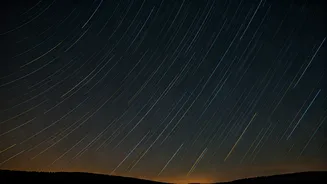
To spot the Quadrantid meteors, look towards the northeast, where the constellation Bootes is located. While meteors can appear anywhere in the sky, they will seem to originate from this radiant point. The Quadrantids are known for producing bright fireballs, which can leave long-lasting trails. These can be very impressive to witness. The Quadrantid meteor shower is caused by Earth passing through the debris trail of an asteroid known as 2003 EH1. As this space rock orbits the sun, it sheds particles, which then burn up in Earth's atmosphere, creating the streaks of light we see as meteors. During its peak, it can display up to 120 meteors per hour under ideal viewing conditions. This makes it one of the most active meteor showers of the year, alongside the Perseids and Geminids.