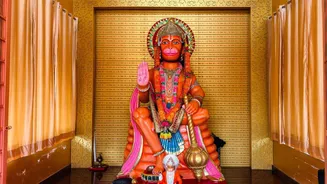







What is Hanuman Chalisa?
The Hanuman Chalisa is a revered devotional hymn, a powerful prayer dedicated to Lord Hanuman, the epitome of devotion and strength. Composed in the 16th
century by the saintly poet Goswami Tulsidas, this sacred text is a testament to his deep-seated faith in Lord Hanuman. The Chalisa consists of 40 couplets, known as 'chaupais,' originally penned in the Awadhi language. Devotees chant this hymn with the earnest hope of appeasing Lord Hanuman, seeking his divine grace, and inviting miraculous positive transformations into their lives. It is believed that consistent recitation can create a protective aura, warding off life's adversities and even aiding in the recovery from severe health ailments and chronic diseases.
Preparing for Chant
Before embarking on the spiritual journey of chanting the Hanuman Chalisa, certain prerequisites ensure a more fruitful experience. Consistency is paramount; regular practice yields the best results. Adhering to a sattvik lifestyle, which emphasizes purity in diet and thought, is also highly recommended for desired outcomes. For individuals facing severe illness who are unable to chant, listening to the Chalisa at least seven times daily is a beneficial alternative. Furthermore, meticulous attention to correct pronunciation is crucial, as mispronunciations can alter the intended meaning and spiritual impact of the verses. These preparatory steps lay the foundation for a deeper connection and greater spiritual efficacy.
Chanting Guidelines
To derive the fullest spiritual advantage from reciting the Hanuman Chalisa, adhering to specific guidelines is advised. While morning chanting is often considered auspicious, it's recommended to chant after sunset, as Lord Hanuman is believed to be engaged in service to Lord Rama until evening. The ideal time is during Brahma Muhurat, between 3:30 and 4:30 AM. Before commencing the Chalisa, it is customary to recite 'Ram Naam' 108 times. Having an idol or photograph of Lord Hanuman before you during recitation enhances focus. Lighting a lamp with pure ghee signifies purity and devotion. It is not about speed; enunciate each syllable clearly and with adequate volume. Reading from a physical copy, even if you know it by heart, is encouraged. Keeping a glass of water nearby during the chant is also suggested, as water absorbs the vibrations generated, and consuming it afterwards is believed to imbue you with those positive energies.
Benefits Unveiled
The regular chanting of the Hanuman Chalisa bestows a multitude of blessings upon its devotees. Primarily, it cultivates profound mental strength and clarity, fortifying the mind against adversity. The prayer is exceptionally potent in alleviating psychological distress, offering solace from anxiety and depression. For those troubled by adversaries, the Chalisa acts as a powerful shield, helping to overcome hidden enemies. It is also highly beneficial for mitigating the malefic influences of Saturn (Shani), providing relief from Shani Dosha, Mahadasha, Sade Sati, and Dhaiya. The consistent recitation creates an impenetrable protective aura, safeguarding the devotee from harm. Moreover, it is believed to powerfully dispel negative energies and evil spirits, with Lord Hanuman assisting in their expulsion.
Correct Chanting Environment
Establishing a clean and serene environment is fundamental for an effective Hanuman Chalisa chanting session. Ensure the space you choose is immaculate and free from distractions. The recommended time for recitation is in the evening, after sunset, though the early morning Brahma Muhurat is also considered highly auspicious. Facing the East direction while chanting is considered beneficial. Find a comfortable posture, such as sitting in a meditative pose or Sukhasana, allowing for ease and focus. Maintaining unwavering concentration on the prayer is key to its spiritual efficacy. Chanting multiple times, such as 7, 11, 21, or ideally 108 times, is believed to amplify the merits and blessings received.
Avoiding Common Pitfalls
While devotion and faith are the cornerstones of chanting the Hanuman Chalisa, certain practices should be consciously avoided to enhance the spiritual benefits. Foremost among these is maintaining unwavering focus and concentration throughout the recitation; straying thoughts can diminish the prayer's power. Precise pronunciation is vital; incorrect enunciation can alter the intended meaning. Consistency in daily chanting is crucial; sporadic practice can create spiritual barriers. It is essential to keep the mind free from overthinking, anger, and doubt while chanting. Rushing through the verses defeats the purpose; a slow, calm, and deliberate recitation is far more effective and spiritually rewarding.