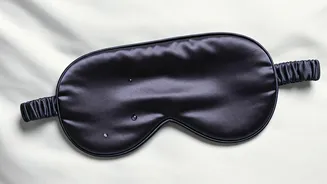







Hyperpigmentation Concerns
Continuous friction from a sleep mask can trigger an overproduction of melanin in the skin surrounding your eyes, leading to noticeable dark patches. This
condition, known as hyperpigmentation, is particularly common due to the delicate nature of the skin in this region. The constant rubbing, especially when the mask is not a perfect fit or shifts during sleep, exacerbates this issue. Individuals with darker skin tones, who are naturally more prone to pigmentary changes, may find themselves more susceptible to this side effect. The pressure from any bands holding the mask in place can also contribute to these textural and pigmentation changes around the eyes, making it a significant concern for regular users seeking a flawless complexion.
Allergic Reactions & Irritation
The materials and dyes used in some sleep masks can provoke unwelcome allergic reactions in sensitive individuals. Symptoms might range from mild redness and itching to more pronounced swelling and discomfort around the eyes, a condition known as periorbital allergic dermatitis. The issue can be compounded by ingredients like latex, fragrances, adhesives, or even certain components within the elastic bands. Furthermore, the combination of occlusive materials, trapped sweat, and natural skin oils can lead to a breeding ground for bacteria. This environment can clog pores, causing skin irritation, unpleasant breakouts, and even acne, particularly where the mask makes contact with the skin.
Infection Risks
A critical, yet often overlooked, risk associated with sleep masks is the potential for eye infections. If a sleep mask isn't cleaned regularly, it can become a haven for bacteria and other harmful microorganisms. Wearing a soiled mask can then transfer these pathogens directly to your eyes. This direct contact can pave the way for infections such as conjunctivitis, commonly known as pink eye, or styes, which are painful lumps that form on the eyelid. Maintaining a clean mask is therefore paramount to preventing such detrimental outcomes and safeguarding your ocular health from potential pathogens.
Safe Sleep Mask Usage
To mitigate the risks associated with sleep masks, opt for those crafted from soft, breathable natural fabrics like silk or gentle cotton, which promote better airflow and reduce skin irritation. It's crucial to select masks free from artificial scents, dyes, and latex to minimize allergic reactions. Ensure the mask fits comfortably, offering a snug but not overly tight grip to prevent excessive pressure and friction. Regular washing of the mask, using mild, fragrance-free detergents, is vital to prevent the accumulation of sweat, oils, and potential allergens. If you apply heavy skincare products, be mindful of how tightly sealed the mask might exacerbate pore-clogging and the formation of milia, small white cysts that occur when keratin gets trapped beneath the skin.