
Historic Low Achieved
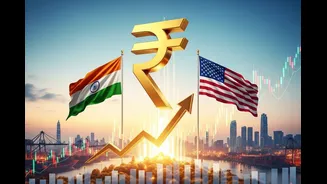
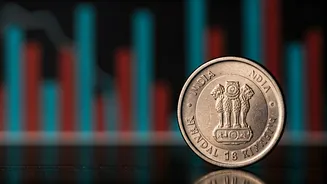
The Indian Rupee experienced a notable decline, dropping to a record low of 92 against the US dollar. This marked a significant milestone, representing
a shift in the currency's valuation. The rupee's weakness has been a matter of increasing concern among financial experts and policymakers alike. The decline has triggered a series of reactions in the financial sector, including increased scrutiny of market dynamics and potential intervention strategies. This development is particularly noteworthy as it reflects ongoing economic conditions and market forces shaping the global landscape.
RBI's Immediate Response
In response to the Rupee's weakening, the Reserve Bank of India (RBI) promptly initiated actions to stabilize the currency. The RBI's steps were intended to mitigate further depreciation and maintain economic stability. These measures usually involve strategies such as selling US dollars in the foreign exchange market to increase the supply of dollars relative to the Rupee. Through these maneuvers, the RBI aims to bolster the Rupee's value and curb any potential adverse effects on the broader economy. These interventions underscore the central bank's commitment to maintaining a robust and stable financial environment.
Factors Behind the Decline
Several factors contributed to the Rupee's decline. These include a combination of global economic conditions, changes in investor sentiment, and domestic market dynamics. External factors such as fluctuations in global oil prices and shifts in the value of other currencies play a part. Domestically, factors such as trade deficits, inflation rates, and changes in foreign investment levels are also influential. The interplay of these diverse elements underscores the complexities and the challenges involved in managing currency valuations, particularly in a volatile global market.
Impact and Consequences
The weakening of the Rupee can have multiple consequences, impacting various facets of the Indian economy. A weaker Rupee can make imports more expensive, potentially contributing to inflation. It can also affect the country's debt situation, as servicing external debt becomes costlier. In contrast, a weaker currency can make exports more competitive, which could boost the economy. The overall impact depends on a number of factors, including the duration and magnitude of the depreciation and the specific conditions of the Indian economy at the time. Therefore, the situation calls for careful monitoring and proactive management to address any potential adverse effects.