







Understanding Hip Stiffness
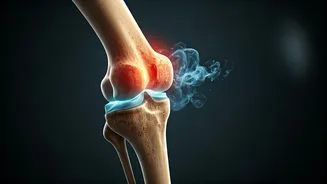
Hip stiffness can become a notable issue, particularly during winter. Reduced activity levels and cooler temperatures can contribute to this problem, leading
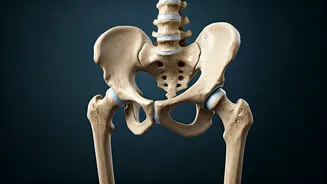
to discomfort and limited movement. An orthopaedist's recommendations highlight the importance of addressing hip stiffness to maintain overall physical health and comfort. Recognizing the factors that exacerbate hip stiffness is the first step toward finding effective solutions. Addressing this issue can lead to improved mobility and a better quality of life. This means that focusing on hip health during the colder months becomes a proactive measure to prevent potential issues, ensuring the body's optimal function.
Warm-up Before Activity
Before engaging in any physical activity, warming up is crucial, especially when dealing with stiff hips. Gentle movements and stretches help prepare the hip joints for exertion. Starting with simple exercises like leg swings, hip circles, and torso twists can effectively increase blood flow and loosen the muscles surrounding the hips. Gradually increasing the intensity of the warm-up routine is important. This practice ensures the hip joints are ready for the demands of exercise, minimizing the risk of injury. A well-executed warm-up is an essential component of any fitness regimen, and particularly relevant for those looking to enhance hip mobility during winter.
Hip Flexor Stretches
Regularly stretching the hip flexors can significantly improve hip mobility. These muscles, located at the front of the hip, can become tight from prolonged sitting or inactivity. Simple stretches like the kneeling hip flexor stretch can provide relief. When performing this stretch, one should ensure a straight back and gently push the hips forward until a stretch is felt in the front of the hip. Holding each stretch for at least 30 seconds allows the muscles to relax and lengthen, thereby improving mobility. By incorporating hip flexor stretches into your daily routine, you can counteract the effects of a sedentary lifestyle and enhance your hip's range of motion. Consistent practice is key to seeing the best results.
Hamstring Stretches
Hamstring stretches are also beneficial for hip mobility, as tight hamstrings can limit hip movement. Techniques such as seated hamstring stretches, or the standing toe touch, help to elongate these muscles. Ensure that you maintain a straight back and hinge at the hips, reaching towards your toes. It is important to avoid bouncing, which can lead to muscle strain. Holding the stretch for a minimum of 30 seconds allows the hamstrings to release tension. By incorporating hamstring stretches, alongside hip flexor exercises, you contribute to a more balanced and flexible hip structure. This also helps improve posture and overall ease of movement.
Glute Stretches for Relief
Glute stretches play a crucial role in maintaining hip mobility by targeting the muscles in the buttocks. Simple stretches like the figure-four stretch involve crossing one ankle over the opposite knee and gently pulling the thigh towards the chest. This helps loosen the gluteal muscles and improves hip flexibility. Holding each stretch for at least 30 seconds can significantly improve hip flexibility. Regular glute stretches contribute to reduced pain and improved mobility, which is essential for comfort and functionality, especially during winter months when we may be less active. These stretches enhance overall well-being and are very easy to incorporate into a daily routine.
Strengthen Core Muscles
Strengthening the core muscles is another effective strategy for improving hip mobility. Core strength provides stability and support to the hips, allowing for better movement and reduced strain. Exercises like planks, bridges, and bird-dog exercises are highly beneficial. By stabilizing the pelvis, core exercises help improve the overall function of the hip joint. A strong core ensures that the hip muscles can work efficiently without being compromised. Consistent core training also improves posture and prevents imbalances that could restrict hip movement. Regularly integrating core exercises into your fitness routine promotes improved hip mobility and overall physical well-being.
Consider Foam Rolling
Foam rolling is a self-myofascial release technique that can significantly improve hip mobility. This practice involves using a foam roller to apply pressure to the muscles, which helps release tension and improve flexibility. By rolling over areas like the hip flexors, glutes, and hamstrings, you can loosen tight muscles and improve the range of motion in the hips. Foam rolling should be done gently, and any intense pain should be avoided. It is a beneficial addition to your warm-up or cool-down routine, as it helps alleviate muscle stiffness and supports overall hip health. Practicing this exercise regularly enhances the effectiveness of stretching and mobility exercises, helping the body move more freely.
Regular Physical Activity
Regular physical activity is vital for maintaining and improving hip mobility. Staying active throughout the winter months helps prevent stiffness and supports overall joint health. Exercises such as walking, swimming, or cycling are particularly beneficial. These activities encourage movement, which helps keep the hip joints lubricated and flexible. It's essential to find activities that are enjoyable and easy to incorporate into your daily routine. Consistent physical activity not only enhances hip mobility but also contributes to improved cardiovascular health and overall well-being. Even short periods of exercise can make a big difference, so aim for consistency to reap the long-term rewards of an active lifestyle.
Stay Hydrated, Maintain Weight
Maintaining proper hydration and a healthy weight are essential for hip mobility. Drinking adequate amounts of water helps keep the cartilage in the hip joints well-hydrated, which ensures smooth movement and reduces friction. Moreover, maintaining a healthy weight minimizes the stress placed on the hip joints, which helps to preserve their function and flexibility. Being overweight can lead to increased stress on the hips, causing stiffness and pain. Eating a balanced diet and staying hydrated helps maintain an ideal weight, which can greatly improve hip mobility and overall health. Monitoring your diet and water intake daily is a proactive step toward supporting both hip function and general health.