







The Dawn of a New Year
Vishu marks the beginning of the Malayalam calendar's first month, Medam, heralding a period of renewal, abundance, and fresh starts. Celebrated on Medam 1,
it coincides with the celestial event of Mesha Sankranti, signifying the Sun's transition into the zodiac sign of Aries. This makes Vishu a crucial observance within the Hindu calendar for marking the New Year. In the year 2026, Vishu is set to grace the calendar on April 15, bringing with it a day filled with cherished rituals and spirited festivities across the state of Kerala. The day's celestial timings are notable, with sunrise anticipated at 6:18 AM and sunset at 6:31 PM. The moon's presence will be felt early, with moonrise expected at 4:17 AM and moonset at 4:38 AM. Notably, the spiritually significant Mesha Sankranti moment is predicted to occur precisely at 9:30 AM on April 14, setting the stage for the auspicious day that follows.
Spiritual and Cultural Underpinnings
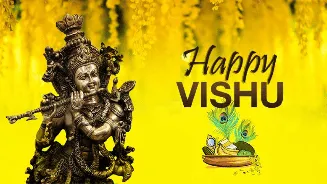
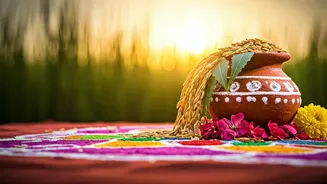
The cultural essence of Vishu is deeply intertwined with concepts of balance, plenty, and divine favor. A fundamental belief within Hindu traditions holds that initiating the New Year by beholding symbols of good fortune ensures a year characterized by tranquility and harmony. Lord Krishna holds a central position in the Vishu celebrations, revered as the divine protector of the cosmic order and a bringer of good luck. Beyond its spiritual dimensions, the festival also serves as a joyful celebration of the harvest season, offering an opportunity to express profound gratitude for the bounties provided by nature. This connection to the earth's fertility and the cycle of growth underscores the festival's rich agricultural heritage and its emphasis on thankfulness.
Vishu Kani: The Auspicious Beginning
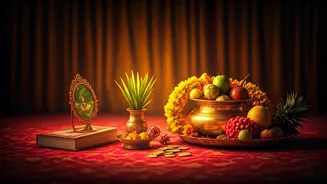
Preparations for the vibrant Vishu festival commence a day prior, with families meticulously arranging the 'Vishu Kani.' This sacred display is a meticulously curated collection of auspicious items, essential for the first glimpse of the New Year. It typically includes a divine idol or image of Lord Krishna, the vibrant golden 'konnapoovu' flowers, an assortment of fresh fruits and vegetables, a measure of rice, gleaming coins, a looking glass, and a lit 'nilavilakku' (traditional oil lamp). On the morning of Vishu, family members awaken before dawn to behold the Vishu Kani as their very first sight, a practice believed to usher in an era of prosperity and good fortune for the year ahead. Many also make a pilgrimage to Lord Krishna temples to seek his blessings for the coming year, further amplifying the spiritual fervor of the day.
Feasting and Generosity
The joyous spirit of Vishu extends throughout the day, marked by the preparation and sharing of 'Sadhya,' an elaborate and traditional Kerala feast. This culinary centerpiece is a spread of diverse and delectable dishes, symbolizing the abundance and celebratory mood. A cherished tradition that adds to the festive spirit is 'Vishu Kaineettam,' where elders extend their blessings to younger family members by gifting them money. This act signifies the passing down of prosperity and good wishes for the future. Furthermore, Vishu strongly emphasizes the virtue of charity and compassion. It is considered highly auspicious to extend help to the less fortunate and engage in acts of generosity on this day. As the day draws to a close, the skies often light up with the joyful bursts of firecrackers, marking a vibrant conclusion to the day's celebrations.