






Understanding the Panchang
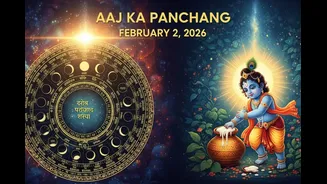
The Panchang serves as a traditional Hindu calendar and is an invaluable resource for Hindus globally. It offers a detailed schedule of the day, meticulously
outlining significant astronomical occurrences and celestial timings. The information provided in a Panchang is fundamental in making decisions, planning events, and engaging in daily rituals. Several components constitute the Panchang, including Tithi, which represents the lunar day; Vrat, identifying days suitable for fasting and religious observances; Muhurat, signifying the auspicious times for commencing important tasks; and Rahu Kaal, the period considered inauspicious for initiating new ventures. Individuals often consult the Panchang to determine the ideal times for undertaking various activities, such as religious ceremonies, weddings, and business ventures, aligning their actions with favorable planetary positions and astrological influences.
Tithi of the Day
Tithi refers to the lunar day, a crucial element in the Panchang that dictates the moon's position relative to the sun. Each Tithi carries its significance, and they are essential in determining the appropriate times for specific activities. The changing lunar phases affect the Tithi, with each day having a different Tithi. Understanding the Tithi for a particular day helps in assessing the suitability of actions according to astrological beliefs. Depending on the Tithi, individuals may choose to engage in or abstain from certain activities, aligning their decisions with the day's astrological influences. Observing the Tithi allows individuals to harness lunar energies to their advantage, enhancing their overall experiences and contributing to their well-being. Knowing the Tithi on February 3, 2026, will help individuals plan their daily activities based on the lunar cycle.
Importance of Vrat
Vrat, or fasting, constitutes a significant aspect of the Hindu faith, with each day having specific days designated for particular vratas. These vratas often correspond to particular deities or events. Practicing Vrat is a means of spiritual purification and a method for gaining blessings from deities. By observing a fast, individuals express devotion and commitment while also seeking the benefits associated with the specific Vrat. The practice of Vrat may involve refraining from specific foods or beverages, thus creating a sense of discipline and self-control. It also fosters a deeper connection with spirituality. Vratis are usually observed on particular Tithis or on special religious occasions, and the adherence to these Vrat customs can bring peace and prosperity into one's life. The Panchang indicates the Vrat associated with the day, guiding individuals in their devotional practices.
Auspicious Muhurat Insights
Muhurat represents an auspicious time, deemed favorable for starting any new endeavor. The Panchang details various Muhurats throughout the day, each suitable for a specific set of activities. Observing the Muhurat is considered crucial for ensuring the success and positive outcomes of these activities. Individuals consult the Panchang to identify the ideal Muhurat for events like weddings, starting a business, or making significant purchases. Muhurats are often tied to specific planetary alignments, with certain times seen as more beneficial. Selecting the right Muhurat is believed to reduce obstacles and increase the chances of a positive outcome. Detailed information on the Muhurat for February 3, 2026, helps individuals plan important events, ensuring they coincide with favorable astrological timings.
Rahu Kaal Explained
Rahu Kaal is an inauspicious period during the day when any new activities are generally discouraged. Rahu Kaal is determined by the specific planetary positions and is believed to bring negative outcomes if new tasks are commenced during this time. People consult the Panchang to determine the duration of Rahu Kaal to avoid starting any important work or projects during this time. Engaging in new activities during Rahu Kaal is thought to attract challenges and impede success. It's often advisable to avoid starting important tasks like business ventures or signing contracts during this specific period. Understanding and heeding Rahu Kaal is a traditional practice to optimize the timing of important undertakings, thereby minimizing the potential for setbacks. The Panchang for February 3, 2026, will provide the timings for Rahu Kaal.