





Ramadan 2026 Dates
The observance of Ramadan, a pivotal month in the Islamic lunar calendar, is anticipated to commence around February 18th or 19th, 2026. The exact beginning
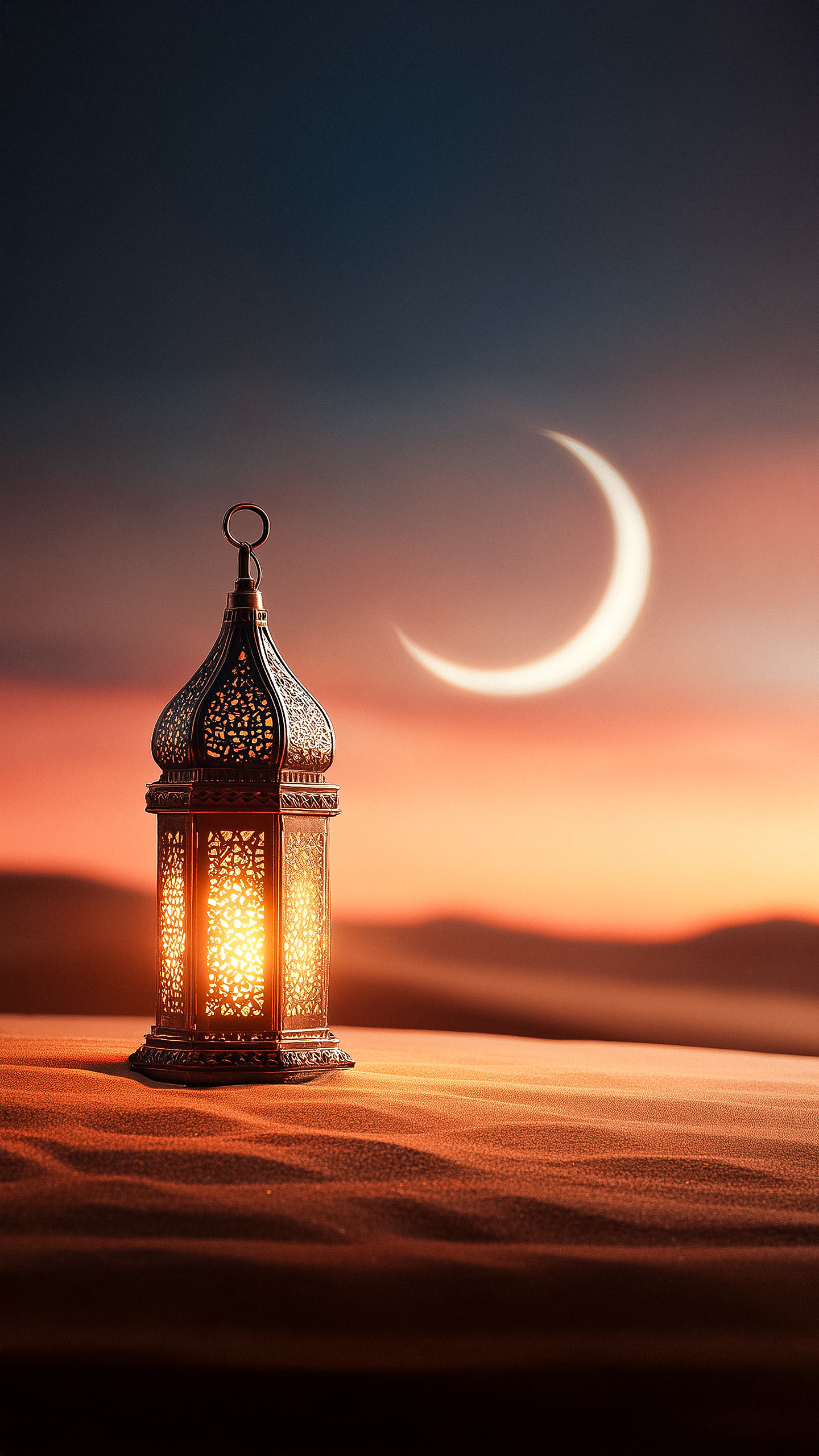
hinges on the visual confirmation of the crescent moon, a tradition deeply ingrained in determining the start of this sacred period. For Muslims across the globe, this month signifies a profound commitment to fasting from the break of dawn until the sun dips below the horizon. This year, India is projected to begin Ramadan on February 19th, provided the moon is sighted in Mecca on February 18th. This temporal aspect underscores the celestial connection that guides Islamic observances, making the moon sighting a moment of anticipation and collective focus.
Sehri and Iftari Times
Integral to the daily rhythm of Ramadan are Sehri and Iftari. Sehri, the pre-dawn meal, provides the essential sustenance for the day's fast, while Iftari marks the joyous breaking of that fast as the sun sets. These timings are not static; they evolve daily and vary significantly based on geographical location. For 2026, an early glimpse into these crucial schedules shows a pattern of slight adjustments. For instance, on February 19th, Sehri is at 05:36 AM and Iftari at 06:15 PM. By March 19th, these times shift to 05:06 AM for Sehri and 06:33 PM for Iftari, demonstrating the gradual change throughout the month. Muslims are strongly encouraged to consult local calendars for the most precise Sehri and Iftari timings relevant to their specific area to ensure their fasts are observed accurately and with ease.
Spiritual Significance
Ramadan transcends mere abstention from food and drink; it is a period dedicated to deep spiritual reflection, increased prayer, and acts of charity. As one of the five pillars of Islam, it offers a unique opportunity for self-discipline and drawing closer to the Divine. It's a time when Muslims are encouraged to engage in introspection, cultivate patience, and purify their thoughts and actions. The tradition holds that it was during Ramadan, approximately 1400 years ago, that Prophet Muhammad received the foundational revelations of the Quran on Laylat al-Qadr, the Night of Decree, adding immense sacredness to this month. This focus on spiritual growth and devotion shapes the daily lives of observers, fostering a sense of community and shared purpose.
Observing Ramadan
The month of Ramadan is a profound time for personal discipline and spiritual connection. Muslims worldwide embrace a strict fast from sunrise to sunset, dedicating themselves to prayer, contemplation, and acts of kindness. This self-imposed discipline is seen as a way to foster empathy for the less fortunate and to strengthen one's relationship with Allah. Beyond personal devotion, Ramadan is also a time of communal celebration. Families and friends often gather to share the Iftari meal, strengthening bonds and fostering a spirit of togetherness. Greetings such as "Ramadan Mubarak" and "Ramadan Kareem" are exchanged, embodying the warmth and blessings of the month. The conclusion of Ramadan is marked by the joyous festival of Eid al-Fitr, a celebration of gratitude and community.