
Protein's Role in Diet
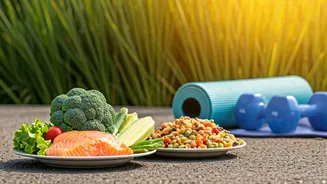
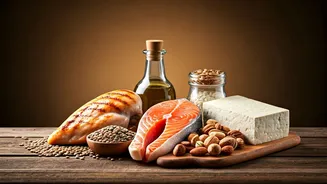
Proteins are fundamental to a balanced diet, crucial for muscle repair, growth, and overall bodily function. They are comprised of amino acids, acting
as the building blocks for tissue construction and maintenance. When attempting to reduce body fat, it's vital to grasp the significance of protein consumption and make educated decisions regarding its sources. Not all protein sources are created equal; certain choices can inadvertently sabotage fat-loss endeavors. In this regard, a fitness coach provides advice on particular protein sources that one might want to avoid to help in the pursuit of losing weight. This is because specific protein options can lead to increased calorie consumption or are high in unhealthy fats. By selecting the right proteins and being cautious about the ones highlighted by the coach, people can better manage their calorie intake and optimize their metabolic health. Understanding this distinction is an essential element of creating a diet strategy that effectively promotes weight loss.
Processed Meats Caution
Processed meats, often containing high levels of sodium, preservatives, and saturated fats, typically should be avoided when fat loss is the aim. These are meats like sausages, bacon, and deli meats, that can quickly add extra calories. Furthermore, these can contribute to inflammation in the body, which might impede fat-loss progress. The high sodium content can cause water retention, further hindering weight loss. While they might appear as a convenient protein choice, their nutritional profile is usually not in alignment with fat-loss goals. A sensible approach is to be conscious of the nutritional content of processed meats, and to opt for fresher, leaner protein sources. This ensures the body receives the required protein for its functions without the unwanted additives and excess calories frequently associated with processed varieties. This is a crucial element to understand when curating a diet geared toward achieving and maintaining a healthy body composition.
High-Fat Red Meats
Red meats, if high in fat content, can impede weight loss efforts. Certain cuts of beef, lamb, and pork can be rich in saturated fats, thereby boosting the total calorie intake significantly. Although red meat offers protein and vital nutrients, the elevated fat content makes it less suitable when weight loss is the primary goal. Saturated fats are known to possibly raise cholesterol levels and might contribute to cardiovascular problems. The quantity of fat found in red meat can easily make a person surpass their daily caloric limits, thus making it harder to lose weight. In order to incorporate red meat safely, selecting leaner cuts, such as sirloin or flank steak, is a great strategy. Choosing these cuts, and controlling portion sizes, could assist one in relishing the protein benefits without compromising one’s fat-loss objectives. Balancing consumption with other protein sources is a smart strategy to maintain both nutritional health and weight-loss advancement.
Sugary Protein Drinks
Protein drinks often contain added sugars and can potentially hinder weight loss attempts. Certain protein powders and pre-made shakes may include significant amounts of sugar to improve palatability. These added sugars contribute empty calories and could lead to blood sugar spikes, which might result in increased hunger and cravings. Additionally, excessive sugar intake might also lead to fat storage. It is important to carefully assess the nutrition labels of protein supplements, looking for sugar-free or low-sugar options. Alternatively, consider making your own protein shakes at home, using natural ingredients like lean protein sources, fruits, and vegetables to keep control over the added sugars. Avoiding sugary protein drinks keeps the calorie intake manageable and provides a way to get necessary nutrients without harming the fat-loss journey. By being aware of these potential pitfalls and making mindful choices, one can ensure that protein supplementation supports rather than undermines their weight-loss efforts.
Fried Protein Sources
Protein sources that are prepared via frying should be avoided, as the cooking method adds significant fat to the food, which counteracts weight-loss endeavors. Frying food, whether it's meat, fish, or other protein-rich items, involves absorbing cooking oil, often adding substantial calories and unhealthy fats. These fats might lead to an increase in overall calorie intake, making it more challenging to maintain a calorie deficit that's essential for losing weight. Moreover, foods that are fried usually lose some of their nutritional value and increase the chances of inflammation. Instead of frying, selecting healthier cooking methods such as grilling, baking, steaming, or poaching is recommended. These methods make it possible to enjoy protein-rich foods while minimizing the intake of unhealthy fats and calories. By making such choices, one can enjoy flavorful and nutritious meals that support their weight-loss journey, keeping the focus on achieving optimal health.