

Holi: Festival of Colors
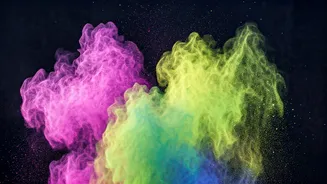
Holi, the 'Festival of Colors,' is a joyous Hindu festival celebrated across India, usually in March. Participants joyfully douse each other with colored
powders (gulal) and water, symbolizing the triumph of good over evil and the arrival of spring. The festival is marked by bonfires, known as Holika Dahan, which take place the night before Holi, representing the burning of the demon Holika. Celebrations include vibrant street parties, traditional music, and feasting on special Holi treats like gujiya (sweet dumplings) and thandai (a cold milk-based drink). People of all ages and backgrounds participate, making Holi a vibrant and inclusive celebration that fosters unity and happiness. Beyond the playful use of colors, Holi celebrates the legends of Lord Krishna and his playful antics, with various communities adopting distinct customs during the festivities.
Diwali: Festival of Lights
Diwali, the 'Festival of Lights,' typically occurs in October or November, and is a major festival celebrated by Hindus, Jains, Sikhs, and some Buddhists. It commemorates the victory of light over darkness and good over evil. Homes and streets are illuminated with diyas (oil lamps), candles, and colorful lights, symbolizing the welcoming of prosperity and new beginnings. Diwali involves family gatherings, the exchange of gifts and sweets, and the performing of Lakshmi Puja, a prayer to the goddess of wealth and prosperity. Fireworks light up the night sky, adding to the festive atmosphere, particularly during the main Diwali night. The festival signifies the return of Lord Rama to Ayodhya after fourteen years of exile and the defeat of the demon Ravana, making it a time for new clothes, festive meals, and the celebration of bonds.
Durga Puja: Triumph of Good
Durga Puja, predominantly celebrated in West Bengal and other parts of Eastern India, is a ten-day festival honoring the Hindu goddess Durga, a symbol of power and the protector of the righteous. It typically takes place in September or October. Elaborate pandals (temporary structures) are erected, displaying beautifully crafted idols of Durga and her children, each telling a story of divine strength. The festival is filled with music, dance (like the Dhunuchi dance), and theatrical performances that depict the triumph of Durga over the buffalo demon, Mahisasura. Communities come together for feasting, shopping, and cultural events. The final days are marked by the Visarjan, the immersion of the idols in water, a symbolic goodbye to the goddess and a promise to carry her qualities forward.
Ganesh Chaturthi: New Beginnings
Ganesh Chaturthi, observed primarily in Maharashtra and other regions, is a vibrant festival dedicated to Lord Ganesha, the elephant-headed god of wisdom, prosperity, and new beginnings, usually in August or September. Large, colorful idols of Ganesha are installed in homes and public places. Elaborate decorations, music, and dance mark the celebration. People offer prayers and sweets, especially modaks (sweet dumplings), to Ganesha. The festival culminates in the Visarjan, where the idols are carried in grand processions to be immersed in water bodies. This symbolizes Ganesha's return to his abode and the start of new endeavors. It's a time for community spirit, showcasing devotion, and celebrating the removal of obstacles.
Onam: Kerala's Harvest
Onam is Kerala's grandest festival, celebrated in August or September, marking the homecoming of the mythical King Mahabali and the harvest season. It's a ten-day festival characterized by colorful floral decorations (Pookalam), traditional boat races (Vallam Kali), and the Onam Sadhya, a grand feast served on banana leaves. Other festive highlights include Onam dances like Kathakali and Pulikali. People wear new clothes, visit temples, and engage in various games. Onam promotes communal harmony and celebrates Kerala's rich cultural heritage. The festival reflects the state's prosperity and agricultural abundance, creating a sense of unity and joy.
Navratri: Nine Nights
Navratri, a nine-night festival, is dedicated to the worship of the Hindu goddess Durga and her various forms, typically celebrated in September or October. The festival emphasizes the power of the divine feminine. People observe fasts, perform rituals, and dance the Garba and Dandiya Raas, energetic folk dances from Gujarat. Each night is devoted to a different aspect of Durga, showcasing her different forms and strengths. The festival culminates in the tenth day, Vijayadashami, which celebrates the victory of good over evil, marking the end of Durga's battle against the demon Mahishasura. This is a period of spiritual reflection and community gathering, with each day filled with prayers, devotional songs, and traditional customs.
Eid al-Fitr: Celebration of Faith
Eid al-Fitr is a significant festival in the Islamic calendar, celebrated at the end of Ramadan, the month of fasting. It usually falls in March or April. The festival marks the breaking of the fast and is a time of joy, gratitude, and community. Muslims gather for special prayers, exchange gifts, and enjoy festive meals with loved ones. Eid is a time to express thanks to Allah, strengthen family ties, and show kindness to those in need. Special dishes like biryani, seviyan (vermicelli pudding), and other traditional sweets are prepared and shared. It's a celebration of spiritual renewal and the joy of togetherness, marked by charity and acts of kindness.
Baisakhi: Sikh New Year
Baisakhi is a vibrant festival primarily celebrated by Sikhs, typically in April. It marks the Sikh New Year and the formation of the Khalsa Panth in 1699. The festival is characterized by colorful processions (Nagar Kirtan), traditional music, and dance. People visit gurdwaras (Sikh temples), offer prayers, and participate in community feasts (langar). Baisakhi commemorates the values of courage, sacrifice, and the commitment to justice. It includes the preparation and sharing of festive foods and is a time of renewal and the celebration of Sikh identity and heritage.
Pushkar Camel Fair: Rajasthan’s Spirit
The Pushkar Camel Fair, held annually in Pushkar, Rajasthan, is one of the largest camel fairs globally, usually in November. It’s a vibrant event where thousands of camels, horses, and other livestock are traded. The fair includes various cultural activities, such as camel races, beauty pageants, and traditional music and dance performances. It attracts traders, tourists, and locals from around the world. The fair showcases the rich culture and traditions of Rajasthan. It’s a unique spectacle that blends commerce with cultural celebrations, providing an immersive experience for visitors.
Goa Carnival: Coastal Celebration
The Goa Carnival, typically held in February, is a lively three-day festival celebrated with parades, music, dance, and feasting. It's a blend of Portuguese and Indian cultures. Colorful floats, street performances, and vibrant costumes are common sights. The carnival kicks off with the traditional Fat Saturday parade and continues with parties, dances, and public gatherings. The highlight is the lively parade with themed floats and bands. The Carnival offers a time for revelry, creating a festive atmosphere throughout the coastal region. It’s a chance to celebrate life with joy and abandon, attracting both locals and tourists alike, and it reflects Goa's unique cultural tapestry.