







Rupee's Troubled Waters
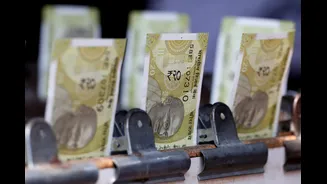
The Indian Rupee's value has significantly decreased, reaching a record low of 92 against the US dollar. This event has caused considerable concern within
the financial sector and among economists. Currency values are constantly fluctuating, but reaching a record low often indicates underlying economic strains or shifts in global financial dynamics. Several factors contribute to this situation, including global economic conditions, the strength of the US dollar, and the performance of the Indian economy. The ongoing global uncertainty and the strengthening of the dollar, considered a safe-haven currency, have added to the pressure on emerging market currencies like the Rupee. This decline highlights the need for a comprehensive understanding of the forces that determine currency value and the steps taken to address these challenges.
RBI's Immediate Response
To address the Rupee's weakness, the Reserve Bank of India (RBI) has promptly intervened. The RBI's interventions typically involve the selling of US dollars from its reserves. This action increases the supply of dollars in the market, which can, in turn, put upward pressure on the value of the Rupee. The RBI might also introduce other measures to manage the currency volatility, such as adjusting interest rates. These rate adjustments can make the Rupee more attractive for investors. The impact of the RBI's actions will depend on several factors, including the scale and persistence of the intervention and the broader market sentiment. The efficacy of these measures is crucial for stabilizing the currency and fostering confidence in the Indian economy. The RBI's role in these situations is critical for safeguarding financial stability and protecting the interests of the nation.
Economic Implications Explored
The Rupee's declining value can have broad economic consequences. A weaker Rupee makes imports more expensive, potentially increasing inflation. This scenario is problematic as it affects consumer spending and overall economic growth. On the other hand, a weaker Rupee can boost exports, making Indian goods more competitive in global markets. This could stimulate economic activity and improve the current account balance. The impact of the Rupee's devaluation on various sectors of the economy also needs to be examined. Sectors reliant on imports might face increased costs, while export-oriented industries could benefit. Understanding these varied impacts is essential for policymakers as they formulate strategies to mitigate the negative effects and capitalize on potential advantages. The ripple effects of currency fluctuations touch nearly all economic areas.
Future Outlook and Strategies
The future trajectory of the Rupee will likely depend on global economic developments, the policies of the RBI, and the performance of the Indian economy. The RBI will continue to monitor the situation and take necessary steps to manage the currency. The government's fiscal policies and broader economic reforms will also influence the Rupee's value. Sustained economic growth and fiscal prudence can bolster investor confidence. Diversifying the Indian economy and reducing its dependence on specific sectors could also enhance its resilience to external shocks. The ability to navigate these economic challenges and maintain a stable currency is crucial for India's long-term economic prospects. The ongoing monitoring of the global economic climate and strategic policy adjustments will be very important.