



The Essence of Holi
Holi, renowned globally as the festival of colours, is far more than just a playful interlude of vibrant powders and water splashes. It embodies a profound
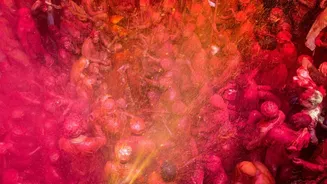
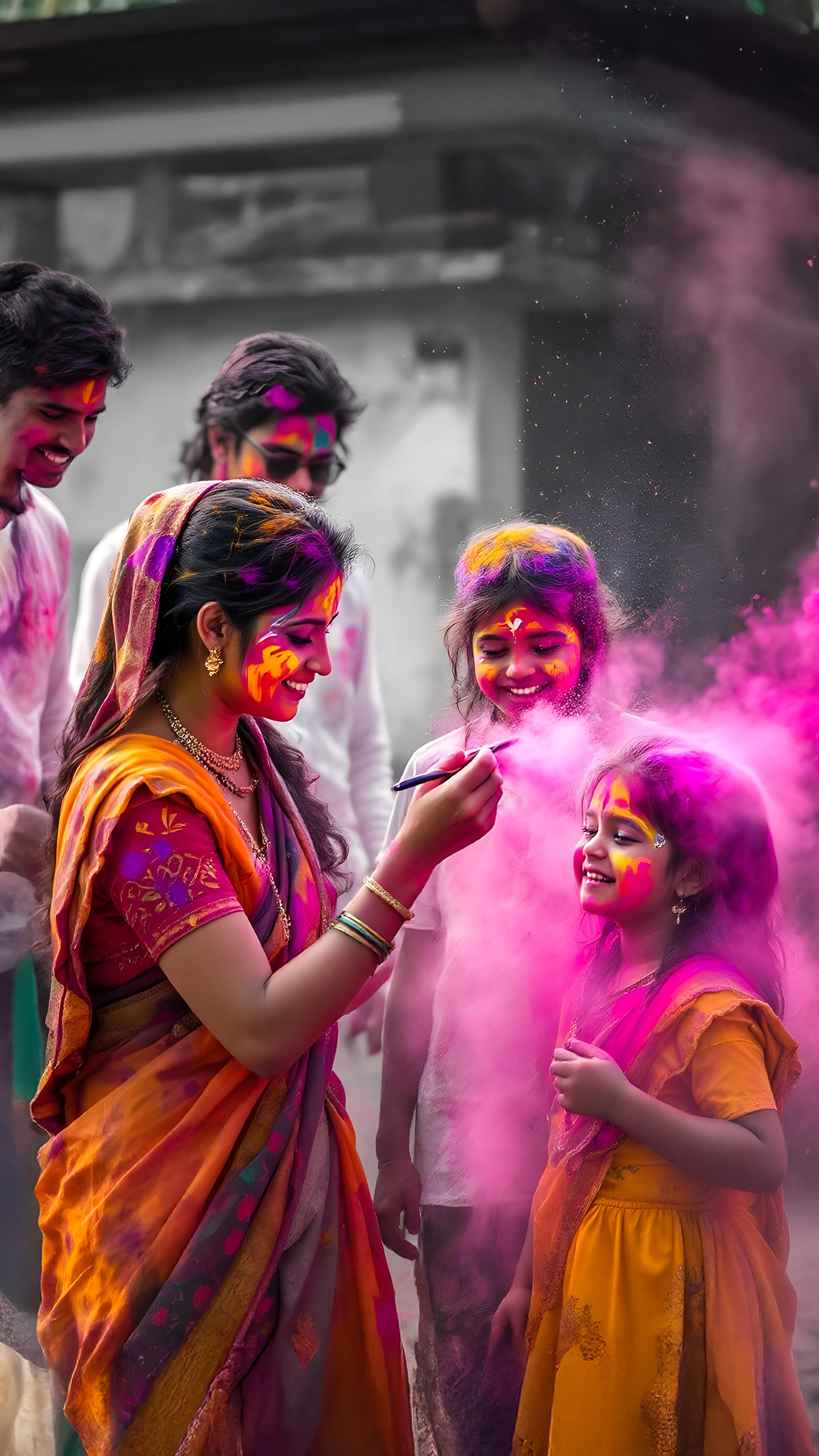
cultural and spiritual tapestry, marking the enthusiastic welcome of spring and symbolizing the ultimate victory of goodness over malevolence. For participants, it signifies a period of spiritual introspection, a chance for collective forgiveness, and a powerful reinforcement of communal bonds. While children anticipate the delightful chaos of coloured powders filling the air, the festival's deeper resonance lies in its celebration of renewal, togetherness, and the shedding of past grievances, making it a cherished occasion for many.
Holi 2026 Dates
In 2026, Holi will be celebrated on Tuesday, March 3rd. The festivities commence the preceding evening, Monday, March 2nd, with Holika Dahan, a night dedicated to sacred rituals and prayers. The auspicious Purnima Tithi, marking the full moon, begins on March 2nd at 01:25 PM and concludes on March 3rd at 12:37 PM. The following day, March 3rd, is Rangwali Holi, also known as Dhulandi, the main day for the jubilant exchange of colours that paints streets and lives with joy. Traditionally observed on the full moon night of the Hindu month Phalguna, Holi is a time when families and communities converge. In specific regions like Mathura and Vrindavan in Uttar Pradesh, known for their deep connection to Lord Krishna, the revelries can extend for an impressive sixteen days, creating an extended period of communal celebration and spiritual observance that signifies the definitive end of winter's chill and the vibrant onset of spring.
Mythological Origins and Tales
The rich tapestry of Holi is woven with captivating mythological narratives that illuminate its spiritual underpinnings. One cherished story centres on Lord Krishna and Radha, where Krishna, conscious of Radha's insecurities about his darker complexion compared to hers, playfully applied colour to her face. This loving gesture symbolized that true beauty transcends physical appearance, highlighting instead the power of love and acceptance. Another significant myth involves Lord Shiva and the sacrifice of Lord Kama. Following the grief-stricken meditation of Shiva after the loss of his wife Sati, the world faced turmoil. The gods implored Kama, the deity of love, to rouse Shiva from his deep trance. In his attempt, Kama was consumed by Shiva's fiery gaze. This narrative ultimately signifies the triumph of love and good over adversity, a core theme celebrated during Holi, paralleling Shiva's eventual reunion with Parvati, Sati's reincarnation.
Symbolism of Holi Colours
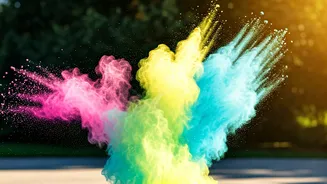
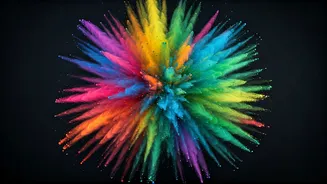
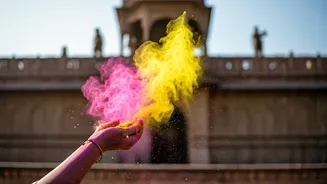
The vibrant hues that define Holi are not merely decorative; each colour carries profound symbolic meaning that enhances the festival's spiritual depth. Coinciding with spring's arrival, the season of nature's own colourful resurgence, Holi's colours mirror this rejuvenation. Red signifies passionate love, fertility, strength, and energy, often associated with marital bliss. Yellow is linked to turmeric, representing auspiciousness, healing, joy, peace, and warmth. Blue, frequently connected with Lord Krishna, embodies divinity, trust, loyalty, and devotion. Green symbolizes new beginnings, fertility, and prosperity, reflecting growth and regeneration. By embracing these colours, participants celebrate life, mend relationships, and symbolically let go of past resentments, fostering an atmosphere of kindness, love, and shared happiness.
Spiritual and Health Aspects
Beyond its joyful exterior, Holi offers substantial spiritual and even scientifically recognized health benefits, particularly during the seasonal transition from winter to spring. This period of fluctuating temperatures can foster the proliferation of harmful bacteria. The ancient ritual of Holika Dahan, involving the lighting of bonfires, is believed to purify the environment by burning away impurities and negative energies. On a personal level, the application of colours is seen as a form of colour therapy. The act of rubbing colours onto the skin stimulates epidermal circulation and enhances the body's energy flow, aiding in detoxification and leaving the skin refreshed. Furthermore, the festive atmosphere, characterized by bright colours and communal activities, is known to elevate moods, inducing feelings of happiness, collective well-being, and joy.
Holika Dahan's Meaning
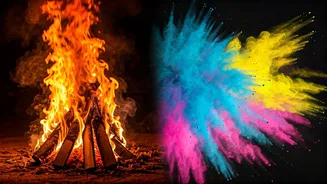
The inaugural day of Holi, Holika Dahan, holds particularly significant symbolic weight, commemorating the legendary triumph of good over evil. This ritual involves the lighting of a bonfire to honour the miraculous survival of Prince Prahlad and the demise of the malevolent demoness Holika. According to the revered legend, Holika, Prahlad's aunt, attempted to immolate him by luring him into a pyre. However, due to her inherent wickedness, Holika was consumed by the flames, while Prahlad, a steadfast devotee of Lord Vishnu, was divinely protected. The burning effigy of Holika represents the destruction of malevolence and the victory of righteousness. It serves as a potent reminder that even the most formidable evil cannot ultimately vanquish goodness, truth, or unwavering faith. The sacred ashes from this bonfire are often applied to the body as a blessing and a protective charm.
Fascinating Holi Facts
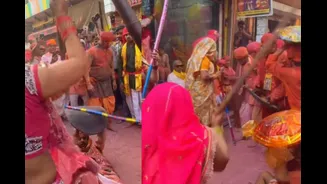
While the popular image of Holi involves enthusiastic colour fights, the festival is rich with intriguing and less commonly known traditions. For instance, in the culturally significant regions of Mathura and Vrindavan, Holi celebrations extend for a remarkable sixteen days, featuring a diverse array of unique rituals. A highlight is the Braj Lathmar Holi, where women playfully strike men with sticks, while the men playfully defend themselves with shields—a lighthearted reenactment symbolizing the playful, flirtatious spirit of the festival. Holi's ancient roots are evidenced by its references in venerable texts like the Vedas and Puranas, and its depictions found in ancient sculptures and temple art. A customary beverage during Holi is Bhang, prepared from the cannabis plant, which is incorporated into drinks and sweets, adding a traditional element to the festivities for many.
Embracing Holi's Spirit
Holi ultimately celebrates the most cherished aspects of human existence: love, happiness, unity, and the profound concept of renewal. It serves as a vital period to relinquish past conflicts, fully embrace the present moment, and look towards the future with optimism. Regardless of whether one is celebrating with close family, friends, or even newfound acquaintances, the overarching spirit of Holi champions togetherness and mutual harmony. As Holi 2026 approaches, it is an opportune time to reflect on its deeper meaning. Beyond the visual spectacle of colours, the rhythm of music, and the energy of dance, Holi is fundamentally a spiritually significant festival. It serves as a poignant reminder that, akin to nature's cyclical rejuvenation each spring, individuals possess the capacity to refresh their inner selves, shedding negativity and wholeheartedly embracing positivity, love, and unity. May the colours of Holi 2026 fill the air with celebration of life's beauty, community warmth, and the joy of fresh beginnings.