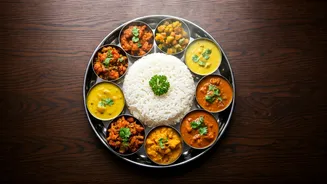

Spice Route Begins
The journey starts by acknowledging the immense diversity of Indian food, a culinary tapestry woven with threads from various regions and histories. Indian cuisine
is not monolithic. Instead, it is a mosaic of flavors, cooking methods, and ingredients influenced by diverse cultures, climates, and historical interactions. Each state and region boasts its unique identity. It can range from the fiery curries of the South to the milder, creamier dishes of the North. The common thread is the skillful use of spices, which are the backbone of many Indian dishes. They are not merely seasonings; they are carefully blended, often roasted and ground fresh, to release complex aromas and flavors. They play a pivotal role in creating the distinctive tastes of Indian cuisine. Spices like turmeric, cumin, coriander, and chili peppers contribute not only to flavor but also to the vibrant colors and aromas that make Indian food so enticing. The preparation methods, too, vary greatly, from the slow-cooked stews and tandoori cooking to the quick stir-fries and street-food specialities. The way these elements converge results in a rich gastronomic experience.
Northern Comforts Explored
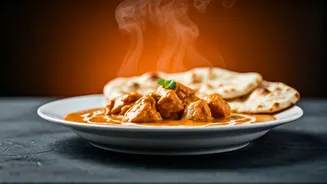
Exploring the North reveals a cuisine often associated with the Mughal influence. Rich, creamy sauces and the generous use of dairy are key characteristics. Think of butter chicken, a dish where succulent pieces of chicken are simmered in a tomato-based gravy enriched with butter and cream. Then there's the classic dal makhani, a slow-cooked lentil dish, often with a velvety texture and a smoky flavor from the slow cooking process. Kebabs and tandoori dishes, cooked in traditional clay ovens (tandoors), are also popular. Dishes like rogan josh (lamb in a rich gravy) and various types of parathas (layered flatbreads) show the culinary preferences. The use of ghee (clarified butter) is widespread, adding richness and flavour to the dishes. The breads are just as important as the curries. Naan, roti, and paratha are used to mop up the sauces and complete the meal. The culinary style offers a delicious blend of textures and tastes, creating a fulfilling experience. This part of the culinary journey shows a history and the lasting impact of cultural exchange and the evolving tastes that shape Indian cuisine.
Southern Spice Trails
Southern Indian food is characterized by its fresh ingredients, lighter cooking styles, and the prominent use of coconut, rice, and seafood, depending on proximity to the coast. The use of tamarind gives a tangy taste to several dishes. Curries often feature complex blends of spices, including curry leaves, mustard seeds, and various chillies. Dosas and idlis, fermented rice and lentil pancakes and steamed cakes, are common breakfast foods, often served with sambar (a lentil-based vegetable stew) and coconut chutney. Seafood is a significant part of the cuisine in coastal regions, with dishes featuring fish, prawns, and other delicacies cooked in various styles, including curries, fried preparations, and grilled options. Rice is the staple grain in the South, used in various forms such as plain rice, biryanis, and rice flour-based preparations like appam. The cooking methods are often simpler and emphasize the natural flavors of the ingredients, which delivers fresh and flavorful food.
Western Flavors Uncovered
The Western region provides its own range of food experiences. Maharashtra offers dishes like vada pav (potato fritter in a bun) and pav bhaji (vegetable curry served with bread). Goa, influenced by its Portuguese heritage, features seafood dishes with a unique blend of spices, as well as vindaloo (a spicy pork dish). Gujarat is known for its vegetarian cuisine, with dishes like dhokla (steamed savory cake) and undhiyu (a mixed vegetable dish). The cuisine has diverse influences, from the Maratha empire to colonial interactions, providing a fusion of flavours. The use of peanuts, groundnuts and other local ingredients is often seen in many dishes. The region's coastal areas provide a variety of seafood preparations. The flavors vary from being mild and sweet to spicy and tangy. This diversity of flavors reflects the multicultural environment and the historical influences.
Eastern Delights Discovered
The East showcases an equally unique culinary scene. West Bengal is famous for its fish dishes, especially those cooked with mustard oil, as well as sweets like rasgulla and sandesh. Assam’s cuisine uses local herbs and ingredients like bamboo shoots and fermented fish, reflecting its rich biodiversity. Odisha provides the delicacies like the Chena Poda, a baked cheese dessert. Rice and fish are staples throughout the region, with dishes reflecting a variety of cooking styles, including slow-cooking techniques and the use of fresh herbs and spices. The culinary style is influenced by the region's climate and agriculture, using seasonal ingredients and traditional cooking methods. Each state has its own unique flavor profile, using local ingredients to produce dishes that reflect the cultural practices and available resources.
Street Food Adventures
Indian street food is a world of its own, an explosion of flavors and textures, with variations across the country. From the spicy chaats of Delhi to the savory samosas of Mumbai and the flavorful rolls of Kolkata, the offerings vary greatly. The food is typically inexpensive, easily accessible, and prepared quickly, making it a popular choice for everyone. Chaat, a class of street food, includes dishes like aloo tikki (potato patties), pani puri (crispy balls filled with spiced water and chutneys), and sev puri (crispy puri topped with various chutneys and sev). Each region adds its own unique touch to these street food favourites, using local ingredients and spices to create signature tastes. The vendors often have their own signature recipes, passed down through generations. These street food experiences give a peek into the local culinary practices.
Regional Cooking Methods
Indian cooking methods reflect regional resources and historical evolution. Tandoor cooking, originating from Central Asia, involves using a clay oven (tandoor) to grill meats and bake breads, like naan and roti. Slow-cooking, a technique used extensively throughout India, allows flavors to meld, creating rich and complex dishes. The use of spices is fundamental. Roasting and grinding spices before use are common methods that release their full flavour. Stir-frying, found in various forms across the country, is used to cook vegetables and meats quickly. Steaming, used to prepare idlis and momos, helps to retain the natural flavour of the ingredients. Frying, both shallow and deep, produces the crispy textures and contributes to the visual appeal of many Indian dishes. Each method has a role in defining the final outcome of a dish, providing flavour, texture, and appeal.
Sweet Endings: Desserts
Indian desserts offer a diverse array of tastes, textures, and ingredients, often highlighting the use of milk products, nuts, and spices. Gulab jamun, a deep-fried milk-based ball soaked in sugar syrup, is a popular choice. Barfi, a fudge-like sweet made from milk solids and sugar, comes in a variety of flavors. Jalebi, a deep-fried pretzel-shaped sweet soaked in syrup, is loved all over India. Kheer, a rice pudding, is a comforting treat that is common in many regions. The use of cardamom, saffron, and other aromatic spices, as well as nuts such as almonds, cashews, and pistachios, gives the desserts their character. Many desserts are associated with festivals and celebrations, adding cultural importance to the sweetness. They are an essential part of the Indian culinary experience, presenting a satisfying conclusion to the meals.
Spices: The Essentials
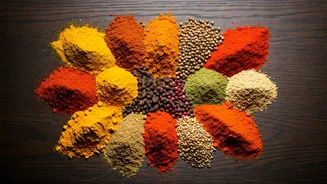
Spices are at the heart of Indian cuisine, contributing to both flavour and medicinal value. Turmeric, known for its anti-inflammatory properties, adds a yellow color and earthy flavor. Cumin, with its warm, earthy notes, is used in numerous dishes, roasted to enhance its taste. Coriander provides a fresh, citrusy flavour, used both as seeds and ground. Chili peppers provide the heat, varying in intensity. Cardamom, with its aromatic complexity, is used both in savory and sweet dishes. Garam masala, a blend of roasted spices, enhances the flavors of many dishes. The careful blending of these spices, often based on regional preferences and family recipes, results in the distinctive taste of Indian cuisine. Their combination creates complex and layered flavours, reflecting the traditions and history of the region. Spices create flavor, aroma, and the very essence of India's cuisine.