






Sunscreen: Your First Shield
Sunscreen is unequivocally the foremost protective measure against the sun's damaging ultraviolet (UV) radiation. Dermatologists strongly advocate for its
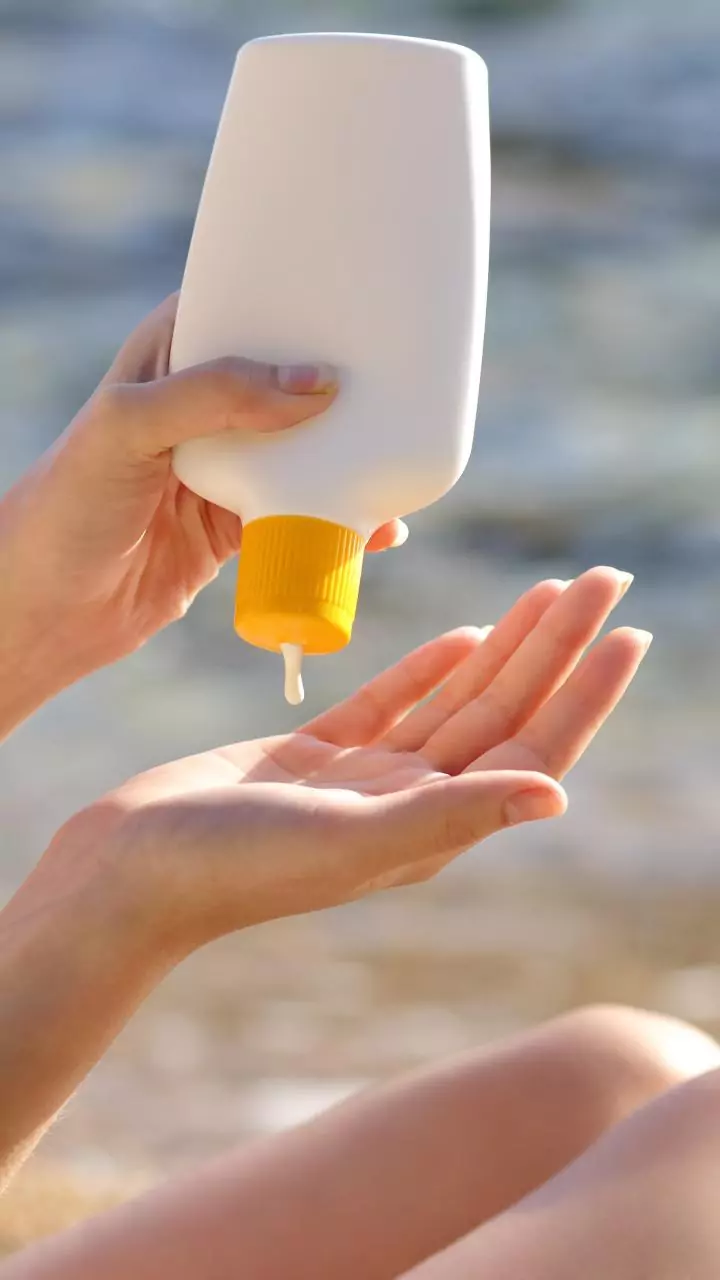
daily application as a vital defense mechanism. This crucial step not only helps to prevent unsightly tanning and pigmentation but also combats premature skin aging and significantly reduces the likelihood of developing skin cancer. For optimal protection, it is imperative to select broad-spectrum sunscreens that offer defense against both UVA and UVB rays. An SPF of 30 or higher is recommended, with SPF 50 or above being ideal for extended periods of sun exposure. Generous application is key, with reapplication needed every two hours, or more frequently if engaging in activities like swimming or heavy sweating. Ensure that all exposed areas, including the face, neck, ears, arms, and legs, are adequately covered to prevent uneven sun damage.
Hydration and Cooling Strategies
Maintaining adequate skin hydration is paramount, especially during intense heatwave conditions. Dehydration can render the skin appearing dull and parched, amplifying the adverse effects of sun exposure. To counteract this, a conscious effort to hydrate from within and cool the skin is essential. This includes consuming a generous amount of water daily, aiming for at least 8-10 glasses. Incorporating fruits and vegetables with high water content, such as watermelon, cucumber, and oranges, further aids internal hydration. Additionally, taking cool showers or baths can effectively lower body temperature and provide immediate relief to the skin. Throughout the day, using hydrating facial mists can offer a refreshing and moisturizing boost, keeping the skin supple and comfortable.
Protective Attire and Accessories
Beyond topical applications like sunscreen, implementing physical barriers offers an indispensable layer of sun protection. Choosing lightweight, long-sleeved shirts and trousers crafted from breathable fabrics like cotton or linen significantly reduces direct sun exposure. Complementing this, wearing wide-brimmed hats provides essential shade for the face and neck, while UV-protective sunglasses safeguard the eyes and the delicate skin surrounding them. Prioritizing shade whenever possible, particularly during peak sun hours between 10 am and 4 pm, is a fundamental strategy to minimize cumulative UV damage and prevent tanning and pigmentation.
Post-Sun Exposure Care
Even with the most diligent preventive measures, some degree of sun exposure is often unavoidable. In such instances, immediate and appropriate post-sun care is vital for skin recovery and soothing. Applying pure aloe vera gel is highly recommended for its anti-inflammatory and cooling properties, offering significant relief to sunburned or irritated skin. Following this with a gentle, hydrating moisturizer helps to replenish lost moisture and restore the skin's natural barrier function. It is equally important to refrain from using harsh soaps or abrasive exfoliants, as these can further irritate compromised skin and exacerbate existing issues. This gentle approach aids in minimizing redness and discomfort after sun exposure.
Addressing Pigmentation and Tanning
While the primary objective is prevention, dermatologists also provide effective strategies for managing existing tanning and pigmentation. For persistent dark spots and uneven skin tone, topical treatments such as Vitamin C serums, retinoids, and, under strict medical supervision, hydroquinone can be beneficial. For more stubborn cases of pigmentation that do not respond to topical treatments, professional interventions like chemical peels and laser therapies offer advanced solutions. It is crucial to consult a dermatologist for personalized treatment plans, as they can accurately diagnose the cause and severity of pigmentation and recommend the most suitable and safe course of action to achieve an even complexion.