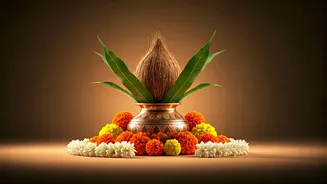








Auspicious New Beginnings
Ugadi, also recognized as Yugadi, marks the commencement of the New Year for numerous communities residing in the Deccan region, encompassing states like
Andhra Pradesh, Telangana, Karnataka, Maharashtra, and Goa. This cherished festival is observed with immense enthusiasm and spiritual devotion, signifying the dawn of a new lunar cycle as per the Hindu lunisolar calendar. Specifically, it falls on the Pratipada tithi of the Shukla Paksha during the month of Chaitra, a period intrinsically linked to the arrival of spring. In 2026, Ugadi is set to be celebrated on March 19, aligning perfectly with Chaitra Shukla Pratipada, and serves as a powerful emblem of fresh starts, promising an abundance of hope, prosperity, and spiritual enlightenment for all who partake in its observances.
Timings and Celestial Alignments
For Ugadi 2026, the celestial movements are noteworthy. The sun is expected to rise at 6:16 AM and set at 6:14 PM, painting the sky with the dawn and dusk of this significant day. The moon will make its appearance around 6:11 AM and set at 6:40 AM, influencing the lunar aspect of the celebrations. Crucially, the auspicious Pratipada tithi, the first day of the lunar fortnight, commences at 6:53 AM on March 19 and concludes at 4:52 AM on March 20. These timings, specific to Amaravati, Andhra Pradesh, and noted in Indian Standard Time (IST), underscore the precise astronomical calculations that govern traditional Indian festivals, adding a layer of cosmic order to the festivities.
Mythological Roots and Cosmic Significance
The profound importance of Ugadi is deeply interwoven with ancient Hindu narratives and mythological accounts. According to sacred scriptures, it was on this very day that Lord Brahma, the divine architect of the universe, initiated the act of creation, setting the cycles of time and destiny into motion. Furthermore, Ugadi is celebrated in conjunction with the Sun's northward journey, a celestial event that symbolizes renewed vigor, vitality, and the unfurling promise of good fortune. This festival also joyfully commemorates the triumphant return of Lord Rama from his arduous 14-year period of exile, a momentous occasion that signifies justice and righteousness prevailing over adversity.
Rituals and Celebrations
Preparations for Ugadi typically begin well in advance, with households undergoing thorough cleaning and being decorated with auspicious symbols. Homes are adorned with strings of fresh mango leaves, known as toranas, and vibrant, intricate rangoli patterns are drawn, all signifying an abundance of prosperity and good luck. On the festival day itself, devotees partake in a ritualistic bath, don new garments, and visit temples to offer prayers and seek divine blessings for the year ahead. A unique and essential part of the celebration is the preparation of Ugadi Pachchadi, a special dish meticulously crafted from a blend of tamarind, green chilies, salt, and raw mango. This culinary creation artfully represents the six distinct tastes of life: sweet, sour, bitter, pungent, astringent, and salty, symbolizing the acceptance of all experiences in the coming year. An integral tradition involves the ceremonial reading of the Panchanga Shravanam, the annual astrological almanac, which is performed in both temples and homes, offering insights into the year's celestial influences. Visiting prominent temples such as Tirupati Venkateshwara and Srisailam Mallikarjuna on this day is considered particularly meritorious.