
Disrupting Gut Flora
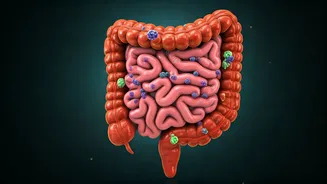
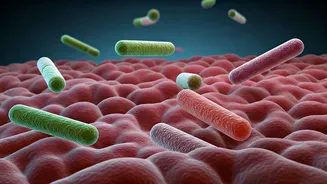
The gut, teeming with a diverse ecosystem of bacteria, is often the first casualty of antibiotic misuse. Antibiotics, while designed to kill harmful bacteria, don't
discriminate, eradicating both the bad and the beneficial microbes in your gut. This disruption sets the stage for a range of digestive issues. The resulting imbalance can lead to an overgrowth of harmful bacteria, potentially causing conditions like Clostridium difficile (C. diff) infections. This infection is particularly nasty, leading to severe inflammation of the colon. Moreover, the loss of beneficial bacteria can impair digestion, nutrient absorption, and immune function. The gut's flora is essential for numerous bodily functions. Antibiotic use can therefore create long-term problems, underscoring the importance of judicious use and probiotic support where appropriate.
Antibiotic Resistance Risk
A major concern stemming from the overuse of antibiotics is the rise of antibiotic-resistant bacteria. When antibiotics are used too frequently or inappropriately, bacteria can adapt and develop resistance, rendering these drugs ineffective. The more antibiotics are used, the higher the chance that bacteria mutate and learn to survive in their presence. This evolutionary arms race means that infections that were once easily treatable can become increasingly difficult, and sometimes even impossible, to cure. The spread of resistant strains poses a significant public health threat, potentially leading to more severe illnesses, prolonged hospital stays, and increased mortality rates. Responsible antibiotic usage, and the avoidance of unnecessary prescriptions, is essential to slow the advancement of antibiotic resistance.
Digestive Issues Escalation
Antibiotics frequently upset the digestive system. A common side effect is diarrhea, which happens because of the disruption to the gut's normal bacterial balance. This bacterial imbalance can also lead to other issues, like bloating, gas, and abdominal pain. In some cases, prolonged antibiotic use can result in more serious conditions, such as irritable bowel syndrome (IBS) or inflammatory bowel disease (IBD), though more research is still being conducted. The inflammation caused by imbalances in the gut can lead to damage. Managing these digestive issues frequently involves dietary adjustments, such as including probiotic-rich foods or taking supplements. It may involve limiting processed foods, increasing fiber intake, and staying hydrated. Such changes promote the rebuilding of the gut's ecosystem.
Malabsorption and Deficiencies
A healthy gut is essential for the efficient absorption of nutrients from food. Antibiotics can impair this critical function. By disrupting the gut's flora, antibiotics can affect the enzymes and processes needed to break down food and absorb vital vitamins and minerals. This impairment can lead to deficiencies in essential nutrients, like vitamins B12, K, and other fat-soluble vitamins. These deficiencies can trigger fatigue, anemia, and weakened immune function. In extreme cases, malabsorption can contribute to weight loss and chronic health problems. Addressing these deficiencies may involve dietary adjustments, the introduction of supplemental nutrients, and sometimes, medical intervention to manage the underlying cause of malabsorption.
Weakened Immune Response
A significant proportion of your immune system resides within the gut. The healthy gut flora plays a crucial role in immune function, helping the body recognize and combat harmful pathogens. Antibiotics, by damaging this flora, weaken the immune system's natural defenses. The imbalance in the gut can reduce the ability of the immune system to respond effectively to infections. Prolonged antibiotic use might therefore leave people more vulnerable to various infections. The gut barrier, crucial for preventing harmful substances from entering the bloodstream, can also be compromised. Boosting gut health through a balanced diet, probiotics, and mindful use of antibiotics becomes crucial for supporting the immune system.
Increased Yeast Infections
Antibiotics not only affect bacterial balance but also increase the risk of yeast infections, especially in women. The most common type is a vaginal yeast infection. Antibiotics disrupt the natural balance of microorganisms in the body, which can cause an overgrowth of Candida, a type of fungus. The imbalance gives Candida the chance to proliferate unchecked, which can lead to uncomfortable symptoms like itching, burning, and discharge. Yeast infections can also occur in the mouth (oral thrush) and on the skin. Treatment typically involves antifungal medications, both topical and oral, along with lifestyle changes such as reducing sugar intake and wearing breathable clothing. Probiotic supplements can also help to restore the balance in the body, promoting a healthy environment.
Inflammation Escalation Risk
Gut inflammation is a major concern related to antibiotic misuse. Antibiotics can cause and worsen inflammation in the gut lining, which can trigger or exacerbate conditions like IBD, including Crohn's disease and ulcerative colitis. The inflammation can lead to damage to the gut wall, impacting nutrient absorption and causing pain, discomfort, and other symptoms. Long-term inflammation can also increase the risk of other health issues beyond the gut. Controlling inflammation often requires a comprehensive approach, including dietary modifications like avoiding inflammatory foods, probiotic supplementation to restore the gut's balance, and in certain cases, medical treatments to address the specific inflammatory condition. Prevention of antibiotic misuse is critical.
Altered Gut Microbiome
Antibiotics drastically change the composition of your gut microbiome, which is the community of microorganisms that live in your gut. They do not selectively target the harmful bacteria. They damage the diversity of the gut flora, leading to less variety in the types of microorganisms present. This reduction of diversity can have long-lasting effects on health. A diverse and balanced microbiome is linked to many health benefits, including enhanced digestion, better immune function, and reduced risk of chronic diseases. Rebuilding the microbiome after antibiotic use often involves taking probiotics, prebiotics, and eating a fiber-rich diet that can support the growth of beneficial bacteria. Regular health check-ups and a healthy lifestyle can also play an important role.
Psychological Impact
The health of the gut has a significant impact on mental well-being, and antibiotics can indirectly affect mental health. The gut-brain axis is a two-way communication pathway between the gut and the brain. Disruption to the gut microbiome can influence this axis, potentially leading to anxiety, depression, and other mood disorders. The gut's ecosystem can affect the production of neurotransmitters like serotonin, which impacts mood regulation. Gut issues due to antibiotics can also contribute to stress, which can then negatively affect the gut, creating a cycle. A holistic approach that addresses gut health, diet, and mental well-being is vital for optimal health. Probiotics and prebiotics, exercise, and stress-reduction techniques may help restore balance.
Long-Term Health Risks
Long-term health risks associated with the overuse or misuse of antibiotics are substantial. Research indicates that frequent use of antibiotics is associated with an increased risk of chronic conditions, including obesity, allergies, and autoimmune diseases. By disrupting the gut microbiome, antibiotics may influence metabolism, immune function, and inflammatory pathways, which contributes to long-term health problems. Protecting gut health through a balanced diet, probiotics, and mindful use of antibiotics is essential to minimize these risks. It's recommended to consult a doctor before taking antibiotics. Regular check-ups and maintaining a balanced lifestyle can also contribute to overall well-being and protect against potential long-term issues arising from antibiotic use.