



Basil's Clove Charm
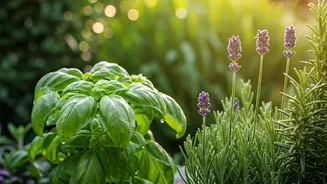
Basil, scientifically known as Ocimum basilicum, possesses a distinct aroma that strongly resembles cloves. This particular scent is highly unpleasant
to lizards, causing them to retreat. Beyond its culinary uses, especially in curries and as a staple ingredient in Indian kitchens, basil stands out as an effective natural pest deterrent. It flourishes best in sunny conditions, making it a top contender among plants that help keep lizards at bay. Its ease of growth and dual purpose as a fragrant herb and repellent make it a practical choice for any garden or windowsill.
Garlic's Sulfur Shield
Garlic's formidable reputation as a natural repellent is largely due to its potent sulfurous odor, which lizards find incredibly off-putting. For those seeking an effective, non-toxic method to discourage these creatures, incorporating garlic is a wise strategy. Researchers suggest planting garlic cloves around the perimeter of pots or hanging dried garlic braids near entry points like doorways. This plant is remarkably easy to cultivate and can be grown throughout the year, ensuring a consistent supply for both culinary needs and pest control. It represents a highly cost-effective and natural approach to managing unwanted lizard presence.
Lemongrass Citrus Barrier
Lemongrass offers a robust citrus fragrance that acts as a powerful natural barrier against lizards. While the scent is generally pleasing to humans, it creates an unwelcome environment for these reptiles. Strategically planting lemongrass near doors and other entry points can effectively prevent lizards from entering your home. Alternatively, the essential oil derived from lemongrass can be diluted and sprayed in areas where lizards are commonly spotted. This herb thrives in moist, warm climates, making it well-suited for many Indian households. Its edible nature also adds to its versatility, providing a delightful herb for cooking while serving as a vigilant lizard deterrent.
Marigold's Pyrethrin Power
Marigolds are not only visually striking with their vibrant colors but also possess a natural secret weapon against pests: pyrethrin. This compound, found abundantly in marigold flowers, acts as a potent insect and lizard repellent. By planting marigolds along garden borders or placing them on window sills, you can introduce a cheerful splash of color while simultaneously creating a protective shield. Their bright hues make them excellent additions for festive occasions in India, enhancing the aesthetic of your space while deterring unwanted visitors. These cheerful blooms are remarkably effective in keeping lizards away.
Lavender's Calming Repellent
The distinct and potent fragrance of lavender, often associated with relaxation, has a surprising effect on lizards: it drives them away. Many insects and lizards find the strong aroma of lavender to be quite disagreeable. To utilize its repellent properties, you can spray a diluted lavender oil solution around your home or plant lavender in a sun-drenched spot. Originating from the Mediterranean, lavender is a low-maintenance plant that adapts well to indoor conditions, making it suitable for urban dwellers. Its presence can ensure tranquil nights free from bothersome lizard intrusions.
Eucalyptus's Aromatic Oil
Eucalyptus leaves are abundant in oil glands that release a strong, aromatic scent highly disliked by lizards. Scientific studies suggest that this smell is as unappealing to lizards as it is to many common insects. For optimal results, position potted eucalyptus plants, often referred to as Nilgiri plants in India, near entryways such as doors. This plant, originally from Australia, thrives in bright light and is well-suited for balcony environments. Incorporating eucalyptus can transform your home into a lizard-free haven.
Rosemary's Pungent Defense
Rosemary's sharp and pungent fragrance serves as a natural deterrent, effectively steering house lizards away from your vicinity. The distinctive scent of this herb actively repels lizards, preventing them from entering your living spaces. It prefers to be planted in pots where temperatures consistently remain above 10°C, making it particularly suitable for cooler weather or winter days. Beyond its repellent qualities, rosemary can be used in cooking or blended into sprays for broader application. This European herb not only keeps lizards at bay but also enhances your garden's aroma, offering a chemical-free solution.
Peppermint's Fresh Invasion
Peppermint's intensely sharp and minty aroma is overwhelming to the sensitive olfactory senses of lizards, quickly prompting their departure. Research indicates that the strong scent disrupts their sense of comfort, driving them away. You can plant peppermint in pots near windowsills or create a repellent spray by mixing crushed peppermint leaves with water for entry points. This plant, native to Europe, thrives indoors with partial sunlight and also doubles as an effective spider repellent. It’s a simple yet potent method to refresh your home and bid farewell to unwanted guests.