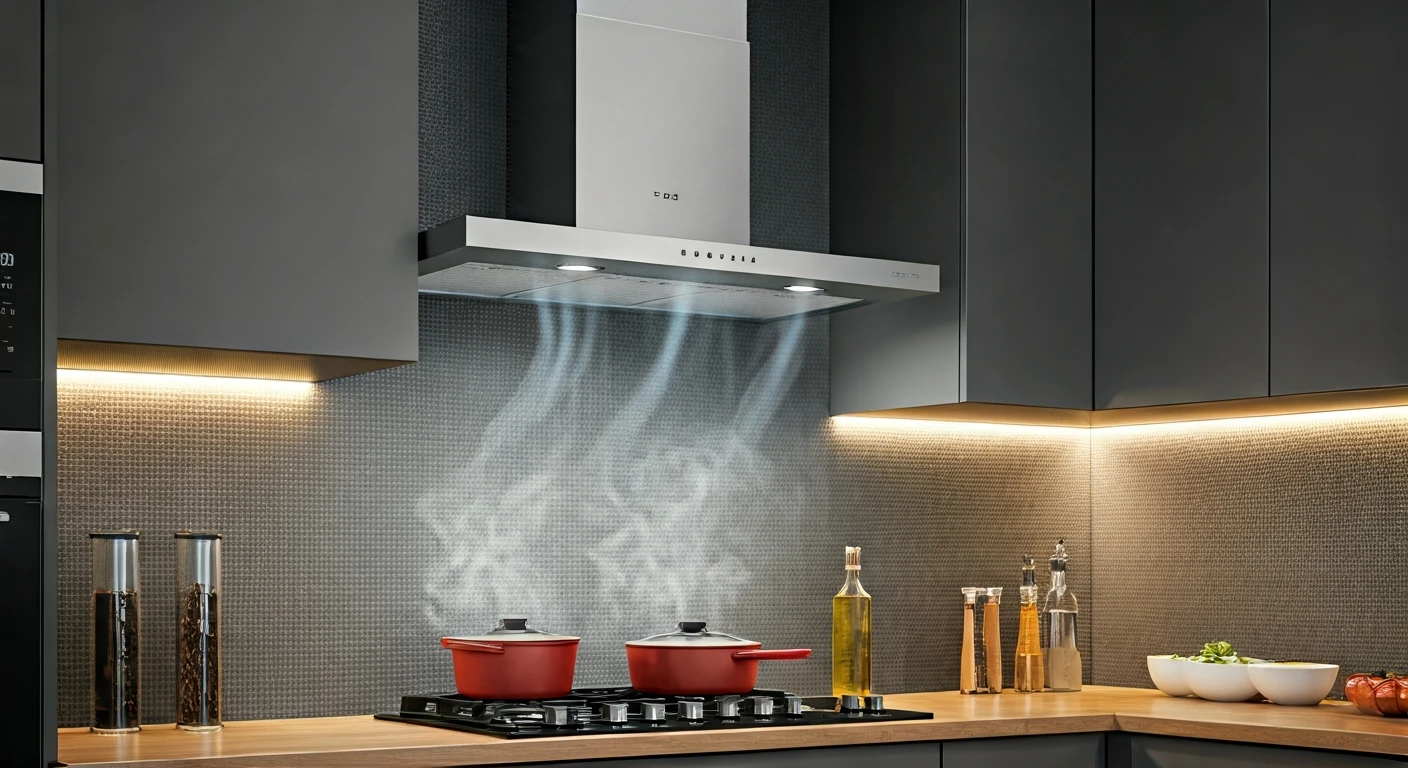







Ventilation Fundamentals Examined
Understanding chimney systems begins with appreciating how they address kitchen air quality. Ducted chimneys, traditionally the standard, directly exhaust
cooking fumes, smoke, and odors outside the house via a system of ducts. This ensures a clean kitchen environment but needs appropriate installation and maintenance to be effective. Conversely, ductless chimneys, or recirculating range hoods, filter the air using charcoal filters, cleaning it and then releasing it back into the kitchen. While simpler to install, the effectiveness relies greatly on the quality of filters and regular replacements. The selection between these two fundamentally impacts the airflow management in the cooking space, making a huge difference in overall kitchen hygiene and comfort.
Duct System Benefits
Ducted chimney systems provide superior ventilation. By removing fumes entirely, they minimize the lingering smells of cooking. The advantage of directly removing smoke and grease particles also means fewer issues of buildup on kitchen surfaces. While installation involves considerations like duct routing and potential heat loss during winter, the efficiency in air purification is noteworthy. A powerful ducted system can handle heavy-duty cooking demands, keeping the air fresh. This is particularly useful in Indian homes, where a lot of spices and frying can be involved, leading to strong odors that need effective removal. Maintenance involves routine cleaning of the system and occasional checks to ensure smooth airflow.
Ductless System Advantages
Ductless chimneys offer an easy installation alternative. Without the need for external ducting, they are suitable for various kitchen setups, especially where duct installation is hard. Their initial cost can be less than ducted systems because of simpler components and fewer installation necessities. They're very practical in apartments and for renters where modifying the building's infrastructure is restricted. The efficiency, however, relies greatly on filter upkeep. The efficiency greatly decreases if the filters get saturated, and this can result in odors. Regular replacement of the charcoal filters is necessary to maintain clean air. Although it may not be as comprehensive as a ducted system, a ductless chimney can provide sufficient ventilation for daily cooking and those with less intense cooking needs.
Airflow: Key Differences
The main distinction between duct and ductless chimneys is the path of the air. Ducted systems physically eliminate contaminated air, which is the most effective approach. The performance is immediate, leading to a much cleaner atmosphere. Conversely, ductless systems recirculate the air. The charcoal filters within the ductless chimney absorb odors and grease, but they do not eliminate them; instead, they temporarily trap them. This means the effectiveness decreases over time as the filter becomes saturated. The airflow also varies: ducted systems produce stronger, more directional ventilation, while ductless systems rely on the circulation of air through the filter, which may not always be sufficient during heavy cooking. The selection process greatly relies on the style of cooking, frequency, and personal preference.
Making The Right Choice
Selecting the right chimney for your kitchen depends upon a few factors. Assess the style of cooking. Frequent, high-heat cooking and spice use warrant the robust ventilation of a ducted system. Evaluate the ventilation needs of the kitchen. A well-ventilated kitchen prevents smells and protects surfaces. Consider installation constraints. If duct installation is complex, a ductless chimney is a good choice. Weigh the maintenance requirements of both. Ducted systems need less filter maintenance but need occasional duct cleaning, while ductless chimneys require regular filter changes. Consider your budget. Ducted systems could cost more to install and maintain, whereas ductless systems have lower initial costs. By taking all these elements into consideration, homeowners can identify the perfect chimney that addresses their cooking needs and lifestyle efficiently.