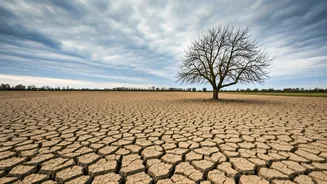








Rain's Crucial Role
Winter precipitation, in the form of rain and snow, is vitally important for agriculture in Uttarakhand. The moisture it provides is essential for replenishing
soil water reserves, which is key for a healthy spring growing season. This water is vital for crops to thrive. The snow cover acts as a natural insulator, protecting crops from extreme cold and preventing the soil from drying out too rapidly. Without this protective cover, the crops will be more vulnerable to damage from frost and cold temperatures, which can severely impact yields. Insufficient rainfall and snowfall can lead to reduced water availability for irrigation, further stressing agricultural practices. Ultimately, this lack of water affects the overall productivity of the farms and can lead to a significant decline in the output of the sector, which includes fruits like apples. Therefore, the lack of rain poses a major threat to the region's agricultural practices.
Apple Orchards at Risk
Apple cultivation in Uttarakhand is especially vulnerable to the impacts of the dry winter. Apples are one of the most significant cash crops in the region, supporting a substantial portion of the local economy. The apple trees require a certain amount of chill hours during the winter months to produce a good yield. The lack of snow and the resulting warmer temperatures can hinder this process. Without adequate chill, the trees may not blossom properly in the spring, which leads to reduced fruit set and smaller yields. The scarcity of water during the dry winter also leads to water stress among the apple trees, making them more susceptible to diseases and pests. The prolonged lack of adequate water can weaken the trees and reduce their lifespan, resulting in long-term challenges for apple farmers. Therefore, the risk of a dry winter poses a significant risk to apple orchards.
Consequences for Farmers
The lack of winter rain and snow is presenting serious consequences for farmers in Uttarakhand, potentially leading to financial distress. Reduced crop yields translate into lower incomes for farmers who depend on agriculture for their livelihood. Small-scale farmers are particularly vulnerable, as they often have fewer resources to cope with adverse weather conditions. The rise in production costs, due to the need for increased irrigation and pest control, further reduces the profit margins for farmers. In many cases, farmers may be forced to take on debt to maintain their operations. This makes them vulnerable to economic hardship. Additionally, the decrease in crop production can lead to higher prices for consumers and the potential loss of jobs in related industries, creating a wider impact across the local economy. These risks are major and have a deep impact on the livelihoods of those in the agricultural sector.
Possible Solutions and Outlook
In light of the concerns, the agricultural sector, and governmental authorities can take several measures to mitigate the negative impact of the dry winter conditions. One possible solution is implementing water conservation strategies, such as using efficient irrigation systems. These methods could reduce water consumption and extend the availability of water resources for crops. Promoting drought-resistant crop varieties could help farmers cope with water scarcity. Another action could involve the adoption of climate-resilient farming practices, which include techniques like mulching, which can help retain soil moisture. Governmental support, through subsidies or financial assistance, can help farmers to adopt these strategies. Researching climate change impacts, and creating accurate weather forecasting models can help prepare for future events. The long-term outlook for Uttarakhand's agriculture depends on how effectively these strategies are adopted. This will determine the agricultural outcome in the face of unpredictable weather.