
Western Disturbances' Impact
The influence of western disturbances, which are essentially weather systems bringing moisture from the Mediterranean region, was a significant factor
in shaping the recent rainfall patterns over India. These disturbances brought much-needed precipitation, which provided relief from the ongoing rain deficit. However, the effect was not uniform across the country. Some regions benefited more than others, and the overall rainfall figures still indicated a shortfall when compared to the average. This disparity suggests the complex nature of the monsoon and the variability of its influence. The impact of these disturbances underscores the need for continuous monitoring and forecasting to understand their effect on India’s weather, particularly as the country relies heavily on monsoon rains for agriculture and water resources. The recent activity highlights how quickly the weather can shift and the importance of adapting to change.
Regional Rainfall Disparities
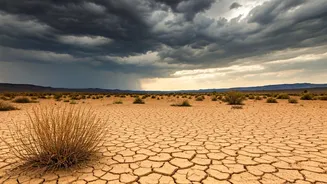
Rainfall data revealed significant variations across different parts of India. While some areas experienced a notable increase in rainfall due to the western disturbances, others continued to lag behind in terms of precipitation. These differences are a common characteristic of the Indian monsoon, but the extent of the variation this time was quite notable. For some regions, the rain deficit was significantly reduced, offering a degree of relief to farmers and residents. Conversely, other areas saw only minimal improvement, continuing to grapple with dry conditions. This disparity in rainfall highlights the vulnerability of certain regions to weather-related challenges and the importance of localized weather predictions. These differences underscore the value of region-specific strategies for managing water resources and agricultural practices, to ensure preparedness for any weather events.
Still Far From Normal
Despite the positive impact of the western disturbances, the overall rainfall figures across India remained below average. This indicates that while there was improvement, the country is still experiencing a deficit compared to the typical rainfall levels. This shortfall has implications for various sectors, including agriculture, water management, and the overall economy. The continued deficit emphasizes the need for careful monitoring of weather patterns. It also calls for implementing effective strategies to conserve water and prepare for possible challenges. The situation serves as a reminder of the variability of weather conditions and the importance of adapting to the changing climate scenario. Authorities and communities must work together to ensure that the impact of rainfall deficits is minimized.
Future Outlook and Implications
Looking ahead, the long-term implications of these rainfall patterns on various sectors such as agriculture and water management need further investigation. Continued monitoring of weather systems and their influence on rainfall distribution is essential for informed decision-making. The outlook for the coming months will be shaped by the interplay of several weather patterns. Effective strategies and collaborations are necessary to safeguard against any impacts of variable rainfall. Focusing on sustainable practices will not only help to mitigate short-term crises but also build resilience against longer-term climate changes. Ultimately, adapting to changing weather patterns is essential for sustainable development in India.