




The Post-Dinner Fruit Dilemma
Many people reach for fruit after a meal to satisfy a sweet craving, seeing it as a healthier alternative to heavy desserts. Fruits are packed with essential
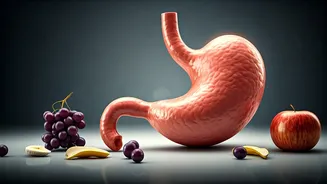
nutrients and are typically easy to digest, usually passing through the stomach within 20 to 40 minutes. However, the timing of consumption can significantly impact how our bodies process them. While fruits are naturally beneficial, consuming them immediately after a substantial dinner can disrupt the digestive process. This is primarily because the stomach is already engaged in breaking down fats and carbohydrates from the preceding meal, which can lead to fruits lingering longer than usual and potentially causing a cascade of digestive discomfort for certain individuals.
Why Late Fruit Can Be Tricky
When fruits remain in the stomach longer than their typical transit time due to a recent heavy meal, issues can arise. The sugars and fiber present in fruits may begin to ferment in the gut. This fermentation process can unfortunately result in uncomfortable symptoms such as bloating, excessive gas, and a feeling of premature fullness. Furthermore, the high fiber content in some fruits can add to this digestive load, making the system feel heavy and overloaded late into the night. This can manifest as stomach tightness, frequent burping, abdominal cramps, and even disturbances in sleep, as the digestive system struggles to cope with the combined load.
Fruits to Watch For
While not all fruits are equally problematic after dinner, some are more likely to cause digestive upset due to their specific nutritional makeup. Dr. Sahil Nohria, a consultant gastroenterologist, highlights fruits such as apples, pears, mangoes, and watermelon as potential culprits. These fruits are known to contain higher quantities of fructose, a natural sugar that a significant portion of the population finds challenging to digest efficiently. When the body struggles to break down fructose, it can remain in the gut for an extended period. This undigested sugar can draw more water into the intestines and provide a food source for gut bacteria, leading to fermentation and, consequently, feelings of bloating, gas, and heaviness.
Who Needs Caution?
Individuals with pre-existing digestive sensitivities, such as those with Irritable Bowel Syndrome (IBS) or generally sensitive guts, are particularly advised to be cautious about consuming fruits rich in fructose after dinner. These individuals are more prone to experiencing discomfort triggered by such foods. The resulting bloating, cramps, and irregular bowel habits can significantly impact their quality of life. It's important for anyone who experiences these symptoms to pay close attention to their body's signals and consider adjusting their fruit consumption habits, especially concerning the timing and types of fruits they choose.
Optimal Fruit Timing
Instead of consuming fruits immediately after a main meal, it is generally more beneficial to integrate them into your diet as a mid-morning snack or an evening snack, spaced well apart from dinner. This allows your digestive system to process the fruits effectively without the added burden of a recent heavy meal. While general recommendations exist, individual digestive tolerance varies greatly. Therefore, it is crucial for each person to observe how their own body responds to different fruits and various eating schedules. The key takeaway is not to deem any fruit unhealthy or to avoid them entirely after dinner, but rather to be mindful of timing and personal digestive capacity to prevent discomfort.