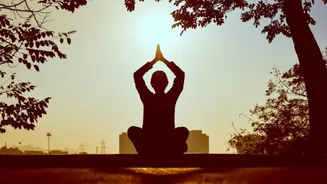







The Power of Breath
When life's demands feel overwhelming, our breathing often becomes shallow and erratic. Conscious, deep breathing acts as an immediate anchor to the present
moment, signaling safety to our bodies and minds. Techniques like the '4-7-8' method—inhaling for four seconds, holding for seven, and exhaling for eight—can significantly calm the nervous system. This practice helps to draw your awareness inward, away from distressing thoughts and towards your physical sensations, fostering a sense of connection with yourself and reducing mental chatter. By focusing on the rhythm of your breath, you create a sanctuary of calm that can be accessed anytime, anywhere, providing a crucial tool for managing stress and maintaining equilibrium.
Embrace Earth's Energy
Directly connecting with the natural world offers a profound grounding experience. Spending time outdoors, whether it's walking barefoot on grass, tending to a garden, or simply sitting beneath a tree, allows us to feel a palpable transfer of energy, as if the earth is absorbing our anxieties. This connection can be amplified by incorporating simple rituals, such as observing the sunrise and dedicating a few moments to journaling aspirations and daily objectives. This intentional start to the day cultivates a positive outlook and reinforces a sense of purpose, making the challenges ahead feel more manageable. Nature's gentle embrace serves as a potent reminder of our interconnectedness and inherent resilience.
Crafting a Sacred Morning
The way we commence our day significantly influences our overall disposition and resilience. Instead of immediately engaging with digital distractions upon waking, dedicating the first ten minutes to a grounding activity can set a more peaceful tone. This could involve quiet prayer, reciting a mantra, or listening to calming chants. Such practices help to quiet the mind and cultivate inner stillness before the day's demands begin. This intentional ritual acts as a buffer against external pressures, ensuring that our internal compass remains steady. Spiritual maturity isn't merely about outward practices but is reflected in our calm responses and deep self-understanding.
Cultivating Present Awareness
Stress often stems from anxieties about the future or regrets about the past. Spiritual grounding, conversely, emphasizes presence. Practicing mindfulness involves fully engaging with whatever activity you are undertaking. Whether it's feeling the warmth of water while washing dishes or noticing the sensation of your feet hitting the ground as you walk, these small acts of focused attention prevent stress from taking root. By anchoring yourself in the immediate sensory experience, you starve anxious thoughts of their power and create a more stable emotional landscape. This continuous return to the present moment is a powerful antidote to worry.
Seeking Silent Spaces
In our constantly connected world, finding moments of solitude is essential for inner clarity and grounding. Intentionally creating pockets of silence, even for just an hour a day by turning off notifications, allows us to reconnect with our inner voice. Within this quietude, we can process thoughts, gain perspective, and find solutions that are often drowned out by external noise. This deliberate disengagement fosters a deeper understanding of ourselves and our needs, enabling us to navigate challenges with greater composure. Silence is not emptiness but a fertile ground for self-discovery and peace.
Service and Community Bonds
Grounding can also be powerfully cultivated through acts of service and connection with others. When consumed by personal worries, focusing outward on the needs of others can provide invaluable perspective. Engaging in small acts of kindness or fostering deeper connections within our communities reminds us that we are part of a larger whole. This shift in focus from our own problems to contributing to the well-being of others can be incredibly fortifying. It reinforces our capacity to make a positive impact, even during difficult periods, and strengthens our sense of belonging and purpose.