




The Essence of Vrat
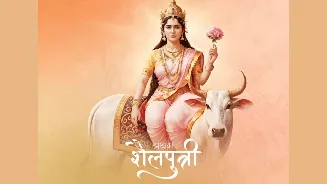
Navratri fasting, or 'Vrat,' is a profound practice spanning nine days, each dedicated to a distinct form of Goddess Durga, the Navadurga. This period
is an invitation to spiritual introspection and disciplined living. Beyond mere dietary restriction, it's a holistic approach to purifying the body, calming the mind, and fostering a deeper connection with the divine. Observing these vrat rules is crucial for maintaining physical vitality, adhering to rituals, and fully embracing the festival's spiritual significance. This guide will illuminate the permitted foods, what to steer clear of, and offer actionable strategies for a fulfilling and energized fast.
Why Fast?
The practice of fasting during Navratri intertwines physical and spiritual well-being. It's a time for reflection, honoring each of the nine forms of Goddess Durga, and cultivating inner discipline. From a physical standpoint, fasting can aid digestion, enhance metabolism, and bolster the immune system. Spiritually, it nurtures patience, deepens devotion, and sharpens mental focus. Adhering to Navratri vrat guidelines also establishes a sense of order, promoting a tranquil mind and sustained physical energy throughout the festive period.
Fasting Fundamentals
Observing a Navratri fast involves adhering to several core principles. Typically, the fast commences at sunrise and concludes at sunset. Some devotees opt for a single evening meal, while others may consume two lighter meals, always mindful of fasting norms. Key restrictions include avoiding non-vegetarian fare, alcohol, and staple grains like rice, wheat, and pulses. Onion and garlic are often omitted due to their 'tamasik' nature, believed to impede concentration. Processed and packaged foods are also generally excluded. Conversely, 'sattvik' foods—pure, often plant-based, and designed for mental clarity and peace—are favored. This includes fruits, dairy, nuts, specific vegetables, and flours derived from millets like buckwheat (kuttu) and barnyard millet (samak), as well as water chestnut flour (singhara). Root vegetables such as potatoes and sweet potatoes are also common. Adequate hydration is paramount, with water, coconut water, herbal teas, and milk-based beverages being excellent choices, though caffeinated drinks should be consumed sparingly. Mindful eating is crucial; the aim is discipline and self-control, not overindulgence, as heavy meals can deplete energy.
Permitted Food Choices
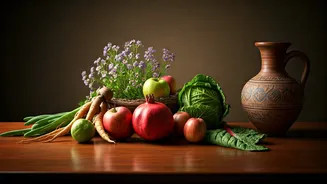
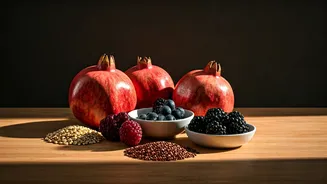
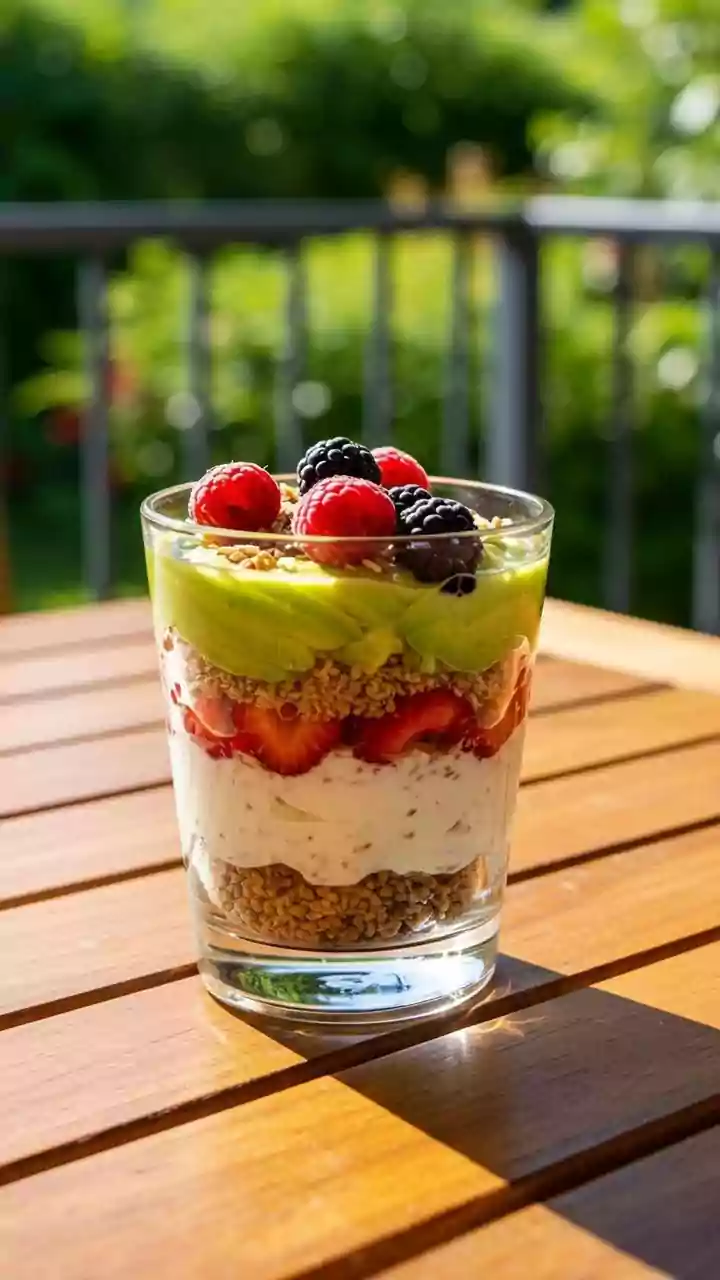
During the Navratri fast, a variety of nutritious and devotional foods are permissible. Fruits such as bananas, apples, papayas, pomegranates, and coconuts are excellent choices. Nuts and seeds like almonds, cashews, peanuts, makhana (fox nuts), pumpkin seeds, sunflower seeds, and sesame seeds provide sustained energy. For vegetables, opt for potatoes, sweet potatoes, pumpkin, cucumber, carrots, bottle gourd, and beetroot. Dairy products like milk, paneer, yogurt, buttermilk, and ghee (derived from cow's milk) are also allowed. Specific flours suitable for fasting include buckwheat flour (kuttu atta), water chestnut flour (singhara), and amaranth flour (rajgira). Popular snacks include roasted makhana and sabudana (tapioca or sago pearl) khichdi. Spices and flavor enhancers like sendha namak (rock salt), cumin (jeera), ajwain (carrom seeds), fennel (saunf), ginger, green chilies, and hing (asafoetida) are permitted. For beverages, coconut water, fresh fruit juices without additives, lassi, and herbal teas are recommended. Sweets like jaggery and honey can be consumed in moderation.
Navratri Fast Variations
Devotees observe Navratri fasting in several ways, catering to different levels of commitment and health conditions. The most rigorous is the 'Nirjal Vrat,' a complete abstinence from both food and water, which should only be undertaken with careful consideration of one's health and possibly medical guidance. A more common and lighter option is the 'Phalahar Vrat,' where the diet is primarily restricted to fruits, milk, yogurt, and dried fruits, designed to keep the body feeling light and energized. For those with demanding schedules or health concerns, a 'Partial Fast' is suitable, involving one full meal a day supplemented by fruits or milk throughout the rest of the day. Lastly, a 'Full Fast' might refer to consuming only allowed fasting foods throughout the day, adhering strictly to the vrat diet without necessarily abstaining from water.
Tips for a Fulfilling Fast
To ensure your Navratri fast is both spiritually rewarding and physically manageable, consider these practical tips. Proactive meal planning for fasting-friendly dishes can prevent last-minute cravings and maintain consistent energy levels. Opt for meals that are light and easily digestible, minimizing oil and avoiding onion and garlic. Gentle physical activity like yoga, meditation, or a short walk can help balance your energy, but avoid strenuous workouts unless accustomed to them. Crucially, listen to your body; if you feel weak, modify the fast by increasing fluid intake or consuming small portions of permitted foods. Staying well-hydrated is essential for maintaining stamina. Remember to integrate spiritual practices like prayer, chanting, and meditation, as mindful eating enhances spiritual engagement. Avoid common pitfalls like neglecting hydration, overeating, or focusing solely on restriction, thereby missing the devotional essence of the fast.