








Tax Regime Choices
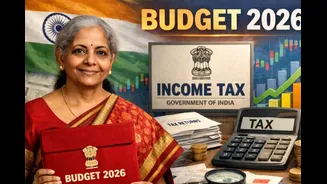
The Union Budget 2026, presented by Nirmala Sitharaman, offers taxpayers a choice between the old and new income tax regimes. The old regime allows for
various deductions and exemptions, such as those for investments in Public Provident Fund (PPF), insurance premiums, and house rent allowance (HRA). The new regime, on the other hand, simplifies the process by offering lower tax rates but typically eliminates most deductions and exemptions. Taxpayers must carefully assess which regime suits their financial situation best, considering their investments and potential tax savings under each option. The best choice varies depending on individual circumstances and the nature of income and investments. It's crucial to evaluate both regimes to maximize tax efficiency.
New Tax Slabs Explained
Under the new tax regime for the fiscal year 2026-27, the income tax slabs and rates have been restructured. While the specific rates and income brackets can change from year to year, the new regime generally features a simplified structure with fewer slabs compared to the old regime. The rates are usually lower, aiming to make tax calculation easier for taxpayers. The most recent budget may have adjusted these rates. For example, there could be slabs such as income up to a certain threshold being tax-free, followed by increasing rates for higher income brackets. Each tax slab is applied to the income within that specific range. It's important to review the latest details from the Budget 2026 to understand the specific tax slabs and rates applicable for the assessment year.
Old Tax Regime Details
The old tax regime, a familiar option for many taxpayers, allows for several deductions and exemptions that can significantly reduce taxable income. These deductions are available under sections of the Income Tax Act, such as Section 80C, which covers investments in instruments like PPF, Employee Provident Fund (EPF), and life insurance premiums. House Rent Allowance (HRA) and Leave Travel Allowance (LTA) are other components that can be claimed under this regime. Furthermore, there are deductions for interest paid on home loans, and investments in specific schemes. Under the old regime, it's essential to keep records of all eligible investments and expenses to accurately claim the deductions and minimize tax liability. The specific rules and limits for each deduction should be verified with the budget documents or tax professionals to ensure compliance and optimization of tax benefits.
Section 87A Rebate
Section 87A provides a tax rebate to certain taxpayers under the new tax regime. This rebate is designed to reduce the tax burden for individuals with lower taxable incomes. For the fiscal year 2026-27, the rebate details will be outlined in the budget announcement. It might be applicable for those whose total income falls below a specified limit. The rebate directly reduces the amount of income tax payable, and can make a significant difference for eligible taxpayers. Understanding the conditions for the rebate, such as the income threshold and the maximum rebate amount, is crucial to take full advantage. Keep in mind that the government can update the specifics of this provision annually through the budget, so it is necessary to refer to the official budget documents.
Impact & Planning
Choosing the appropriate tax regime requires a thorough analysis of individual financial situations. Consider factors such as the amount of investments eligible for deductions, the overall income level, and the potential tax savings from each regime. High-income earners with significant investments might find the old regime more beneficial due to the available deductions. However, those with simpler financial profiles might benefit from the simplified structure and potentially lower rates of the new regime. Taxpayers are encouraged to use tax calculators, compare the tax liabilities under both regimes, and, if needed, seek advice from tax professionals to make well-informed decisions. Proper tax planning involves organizing your finances to ensure you pay the correct amount of tax while maximizing your savings.
Key Takeaways
Budget 2026's income tax changes are designed to offer flexibility and simplification to taxpayers. The choice between the new and old tax regimes hinges on individual financial circumstances and investment profiles. The new regime generally offers lower tax rates, with fewer deductions, while the old regime continues to offer several deductions. The Section 87A rebate offers tax relief to certain lower-income individuals in the new tax regime. Careful tax planning, including considering the available deductions and the impact of the tax slabs and rates, is key to optimize tax efficiency. Staying informed about the latest budget announcements and seeking professional advice can help taxpayers navigate these changes effectively.