








Widespread Impact Assessed
A nationwide 'Bharat Bandh', initiated by numerous trade unions and farmer organizations, saw a varied response across India. The strike aimed to protest
against the central government's economic policies and the recent trade agreement inked between India and the US. While some regions experienced significant disruptions, particularly in transport and the functioning of shops, others reported a more subdued impact. Political parties like the DMK, Congress, AAP, and CPI publicly declared their support, emphasizing solidarity with workers and farmers. Essential services like hospitals and ambulance operations were generally expected to continue as usual, aiming to minimize public inconvenience. Citizens were advised to stay informed about local conditions to plan their travel and daily activities accordingly, as the extent of the bandh varied significantly from state to state.
Regions Facing Disruptions
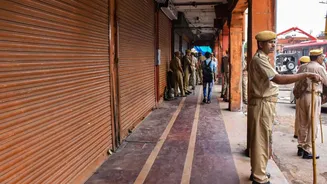
Several states witnessed notable impacts from the nationwide 'Bharat Bandh'. In Kerala, transport services were severely affected, with KSRTC workers' unions and private bus associations extending their support to the strike. This led to a hit on normal life and a potential low attendance in government offices. Shops in Malappuram, Kerala, were observed to be shut in solidarity. Tamil Nadu also saw heightened security in protest areas like Madurai, with trade union workers actively urging shopkeepers to close their establishments. Bus services between Tamil Nadu and Kerala faced suspension. In Madhya Pradesh, over 25,000 civilian workers from ordnance factories and military workshops reported for duty an hour late as a form of protest. Jharkhand experienced members of trade unions taking to the streets to voice their opposition to the four labour codes. Punjab's transport workers, particularly in Moga, joined the strike, and the ruling AAP in the state announced its cadre would participate. Odisha saw AIUTUC workers protesting and the state government directing district collectors to implement preventive measures to maintain law and order.
Areas With Milder Responses
Conversely, some states experienced a less pronounced effect from the 'Bharat Bandh'. West Bengal reported a mild response, with vehicles running normally and state and private offices recording usual attendance. The nationwide strike failed to evoke a significant response in Tripura. In Karnataka, the Department of School Education and Literacy confirmed that schools would function normally, although district commissioners were empowered to make decisions regarding any untoward incidents. While concerns were raised about potential disruptions to banks in Delhi, no official circular about closures was issued, and customers were advised to contact their respective branches. In Bengaluru, while auto, taxi, and transport drivers expressed support, the Auto Association indicated that autorickshaw services would operate as usual.
Political Backing and Union Actions
The 'Bharat Bandh' garnered significant political backing from various parties. The Congress party affirmed its unwavering support for workers and farmers, condemning policies that weaken them. The DMK extended its support to protesting trade union workers and farmers. The Aam Aadmi Party (AAP) in Punjab announced its cadre would join the nationwide strike. The Communist Party of India (CPI) openly declared its full support for the trade unions. Meanwhile, opposition MPs staged a protest on Parliament premises. On the other hand, the BJP President of Punjab, Sunil Jakhar, contended that farmers were being misled regarding the India-US trade deal, asserting they were protected. In Kerala, the state government issued a warning to employees, implementing a 'no work, no pay' policy to deter participation in the protests. Trade union members actively engaged in various forms of protest, including torchlight processions in Kerala and marches in Anekal, Tamil Nadu, urging shop closures.