






Understanding IBS Basics
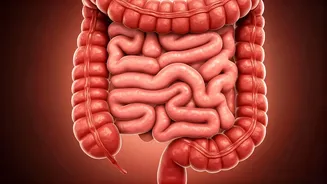
Irritable Bowel Syndrome, often referred to as IBS, is a common ailment affecting the large intestine, causing a range of uncomfortable symptoms. It's
a functional gastrointestinal disorder, meaning there's a problem with how the gut works, even if there's no visible damage. Symptoms can vary widely among individuals, including abdominal pain, cramping, bloating, gas, diarrhea, and constipation. The severity and combination of these symptoms also differ, adding to the complexity of managing the condition. Diagnosis usually involves a review of symptoms, a physical exam, and sometimes, additional tests to rule out other potential causes. The impact of IBS extends beyond physical discomfort, potentially affecting quality of life, work productivity, and overall well-being. Individuals with IBS often find themselves making lifestyle adjustments to cope with their symptoms.
Identifying the Root Causes
Identifying the root causes of IBS is crucial for effective management, as it's not simply a matter of bad luck. Factors such as gut dysbiosis, which refers to an imbalance in the gut microbiome, often play a key role. The gut microbiome is a complex ecosystem of bacteria, viruses, fungi, and other microorganisms that reside in the digestive tract. Stress and anxiety are also significant triggers, as the gut and the brain are closely linked through the gut-brain axis. Furthermore, food sensitivities and intolerances can exacerbate IBS symptoms. Certain foods can trigger inflammation or directly irritate the digestive tract. Some individuals may also have issues with motility, which is the speed at which food moves through the digestive system. Genetic predisposition can also increase the likelihood of developing IBS.
Diets and Why They Fail
Many diets designed to address digestive issues often fall short due to their lack of individualization. Generic approaches may not account for the specific triggers and sensitivities of each person. The absence of a systematic approach is another significant reason for failure. People often adopt restrictive diets without a clear plan or guidance, which can lead to nutritional deficiencies and further imbalance. Furthermore, the difficulty of long-term adherence to strict diets can undermine their effectiveness. Many people find it hard to maintain dietary changes over the long term. Many individuals may also lack a complete understanding of how food affects their symptoms. Dietary modifications need to be personalized and based on an understanding of individual sensitivities and triggers. The importance of consulting with a healthcare professional or a registered dietitian cannot be overstated when considering dietary changes to address IBS.
Healing Strategies and Approaches
Embarking on a healing journey for IBS involves a multi-faceted approach. First and foremost, dietary changes tailored to individual triggers are essential. A food diary can help identify problematic foods. Managing stress is also paramount; techniques like meditation, yoga, and mindfulness can significantly reduce symptoms. Probiotics can help restore the balance of the gut microbiome. Certain strains of probiotics have been found to be beneficial in reducing IBS symptoms. Lifestyle adjustments such as regular exercise can further aid in improving gut health. Adequate sleep is equally vital, as sleep deprivation can worsen IBS symptoms. Consulting with healthcare professionals, including gastroenterologists, is crucial for developing an appropriate treatment plan. The healthcare professional can suggest medications if required.
Starting Your Healing Journey
Taking the first step toward healing requires a proactive approach and a commitment to understanding your body. Start by keeping a detailed food diary to track meals and symptoms. Note the occurrence of any symptoms and the foods or situations that triggered them. Then, learn stress-reduction techniques and incorporate them into your daily routine. Experiment with practices like deep breathing and meditation. Consider adding probiotics to your regimen. Look for probiotic supplements that are formulated for gut health. Consulting with a healthcare provider is very important at this point. They can provide personalized advice and guidance. Remember, healing is a process that requires patience and consistency. It's a journey that focuses on improving your health and quality of life.