






Doshas: An Overview
In Ayurveda, Doshas are fundamental energies or life forces that govern the body and mind. They represent the building blocks of our constitution and influence
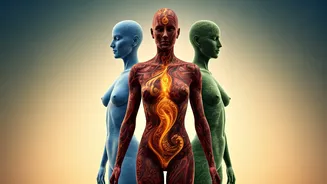
our physical and mental characteristics. The term 'Dosha' comes from the Sanskrit root 'dush,' which means 'to change' or 'to spoil.' This highlights the dynamic nature of these energies, which can become imbalanced, leading to various health issues. The three primary Doshas are Vata, Pitta, and Kapha, each composed of different elements: Vata (Air and Ether), Pitta (Fire and Water), and Kapha (Earth and Water). Understanding your dominant Dosha is crucial in maintaining overall health and well-being. Each Dosha has unique qualities that manifest in the body, such as the mobility of Vata, the transformative power of Pitta, and the stability of Kapha. An imbalance in any of these Doshas can create disharmony, leading to physical ailments or emotional disturbances. This imbalance can arise from various factors, including diet, lifestyle, and environmental influences. The concept of Doshas provides a holistic framework for understanding and addressing health concerns by promoting harmony among the body, mind, and spirit.
Vata Dosha Explained
Vata Dosha, primarily composed of air and ether elements, governs movement in the body and mind. It is characterized by qualities like being cold, light, dry, mobile, and rough. Individuals with a dominant Vata Dosha often exhibit traits like a slender build, dry skin, and a tendency to experience cold hands and feet. They tend to be quick-thinking, creative, and energetic, but they can also become anxious, restless, and prone to insomnia. Vata governs processes such as breathing, circulation, and the nervous system. When Vata is balanced, individuals experience vitality, creativity, and a sense of grounding. Imbalances, however, can lead to conditions like digestive issues, anxiety, joint pain, and fatigue. To balance Vata, it's beneficial to adopt a warm, nourishing diet, engage in regular routines, and avoid cold and dry environments. Practicing yoga, meditation, and gentle exercise can also help regulate Vata energy. Using grounding spices like ginger and cinnamon in cooking is another effective way to pacify Vata, as well as incorporating healthy fats and oils into the diet. Overall, understanding and managing Vata is crucial for maintaining a sense of well-being and preventing associated health problems.
Pitta Dosha Insights
Pitta Dosha, comprised of fire and water elements, is responsible for metabolism, digestion, and transformation in the body. It is characterized by qualities such as being hot, sharp, oily, and light. People with a dominant Pitta Dosha often have a medium build, a strong appetite, and a tendency to sweat easily. They can be intelligent, passionate, and focused, but may also become irritable, angry, and prone to skin inflammation. Pitta governs various functions, including digestion, body temperature, and the processing of emotions. When Pitta is balanced, individuals exhibit good digestion, a healthy complexion, and a strong sense of purpose. Imbalances can manifest as heartburn, inflammation, skin rashes, and anger issues. To balance Pitta, it's helpful to consume a cooling diet rich in fresh fruits and vegetables, avoid spicy foods, and manage stress. Practicing relaxation techniques, such as deep breathing and meditation, can help to calm Pitta energy. Staying cool, both physically and emotionally, is key. Incorporating foods with sweet, bitter, and astringent tastes can also bring Pitta into equilibrium. Focusing on self-care and avoiding excessive criticism of yourself and others helps to maintain balanced Pitta energy.
Kapha Dosha Details
Kapha Dosha, made up of earth and water elements, provides structure, stability, and lubrication within the body. It is characterized by qualities like being heavy, slow, oily, cool, and stable. Those with a dominant Kapha Dosha often have a solid build, smooth skin, and a calm demeanor. They can be loving, patient, and supportive, but they may also become lethargic, prone to weight gain, and experience feelings of attachment. Kapha governs the body's structure, lubrication, and immunity. When Kapha is balanced, individuals possess good stamina, strong immunity, and a sense of contentment. Imbalances can lead to congestion, weight gain, depression, and feelings of stagnation. To balance Kapha, incorporating regular exercise and a stimulating diet is beneficial. Favoring light, warm foods and avoiding excessive intake of heavy, oily, and sweet foods can help. The practice of invigorating activities such as brisk walking, as well as dry brushing of the skin, will support balanced Kapha. Staying active and engaged, and reducing the intake of heavy foods, are also essential to help regulate Kapha energy, and encourage overall balance.
Finding Your Dosha
Identifying your dominant Dosha or Doshas can be the first step towards achieving optimal health. This process usually involves self-assessment, consulting with an Ayurvedic practitioner, or using online questionnaires. Self-assessment involves observing your physical characteristics, personality traits, and lifestyle habits. Consider whether you lean towards the qualities of Vata, Pitta, or Kapha. Ayurvedic practitioners offer personalized consultations, assessing your constitution through pulse diagnosis (Nadi Pariksha) and in-depth questioning. They analyze your body type, any current imbalances, and provide tailored recommendations. Online quizzes provide an immediate, though not always as precise, method. These tools typically ask questions about your diet, sleep patterns, emotional state, and physical characteristics to help determine your primary Dosha. It's crucial to acknowledge that most individuals exhibit a combination of Doshas, not just one. Understanding this mix is key to crafting a personalized approach to wellness, as a balance of these elements helps ensure your body and mind are in harmony.
Balancing Doshas Naturally
Once you have identified your dominant Dosha, you can implement lifestyle adjustments to maintain equilibrium. For Vata imbalances, a warm, grounding routine is key. This includes regular meals at consistent times, adequate sleep, and gentle exercise like yoga. Consume warm, cooked foods and avoid cold, dry foods. For Pitta imbalances, staying cool is crucial, both physically and emotionally. Eat cooling foods like salads, fresh fruits, and avoid spicy or sour items. Practice stress-reduction techniques such as meditation or spending time in nature. For Kapha imbalances, staying active and stimulated is essential. Engage in regular, vigorous exercise, eat light, warm foods, and avoid excessive sleep. Incorporate dry brushing and other techniques to promote circulation. Adapt your diet to support your Dosha type. For example, Vata-pacifying diets include warming spices and healthy fats, while Pitta-pacifying diets emphasize cooling foods. Maintaining a balance in your daily routine is essential, with exercise, rest, and mindful activities tailored to your Dosha. Consider regular practices like yoga, meditation, and mindful breathing exercises. These practices, combined with proper dietary changes and a balanced lifestyle, contribute to overall well-being and a healthier, more balanced life.